






Nature Trails in SGNP
Discover the serene beauty of Nature Trails in Sanjay Gandhi National Park. Wander through lush forest paths, observe diverse wildlife, and immerse yourself in the tranquility of the Western Ghats ecosystem. Perfect for nature lovers, photographers, and eco-enthusiasts seeking a refreshing retreat within the city limits.
Nature Treks And Trails
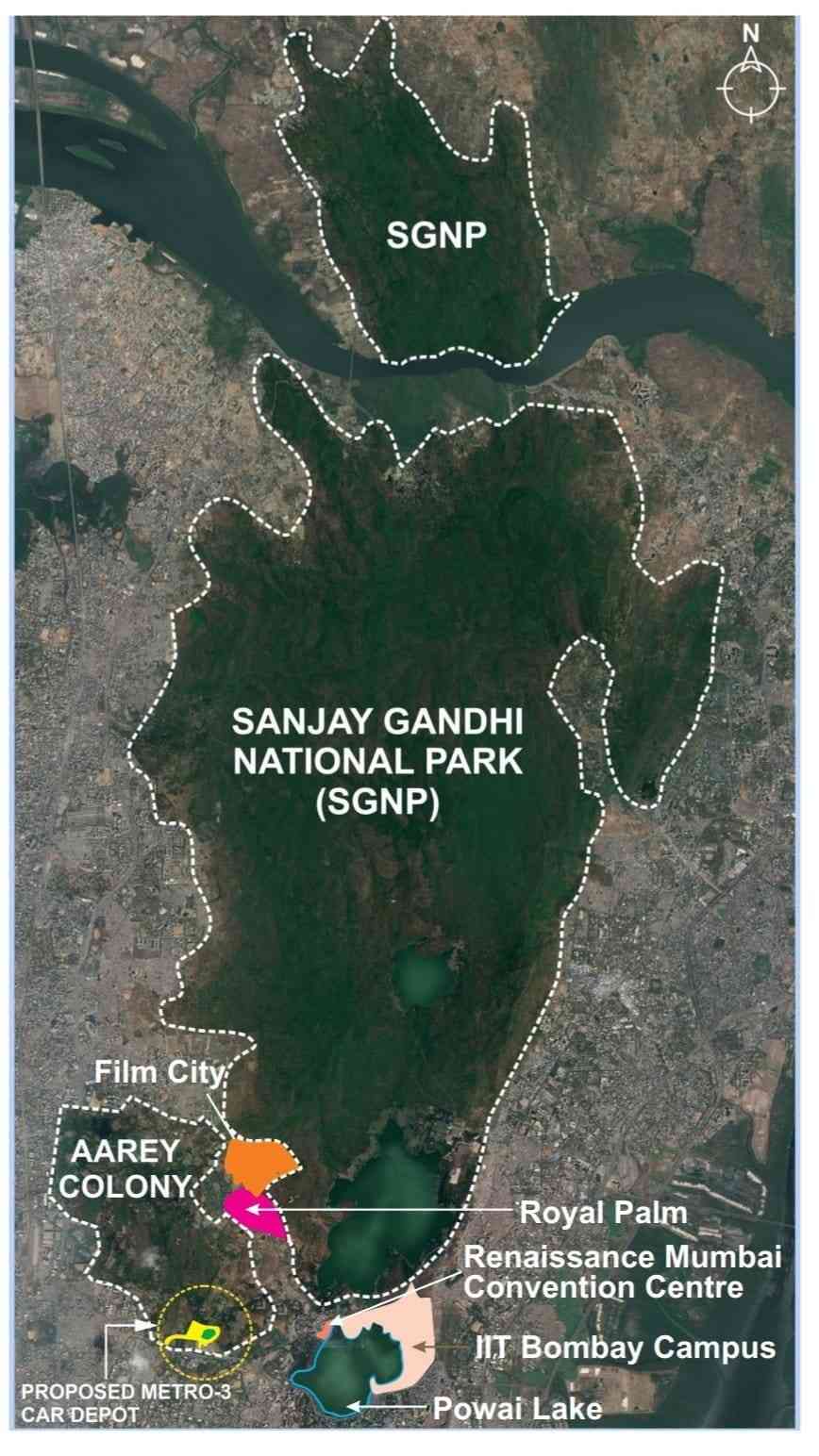
103 sq.km. of pure wilderness area forming roughly 20 % of Mumbai’s geographical area. The Sanjay Gandhi National Park has always been the perfect getaway destination for Mumbaikars in search of some respite from the chaos of this densely populated metropolis. But there is so much more to the park than a haven away from the noise. It is a breathing ecosystem with much to offer.
Shilonda 1st Stream Trail
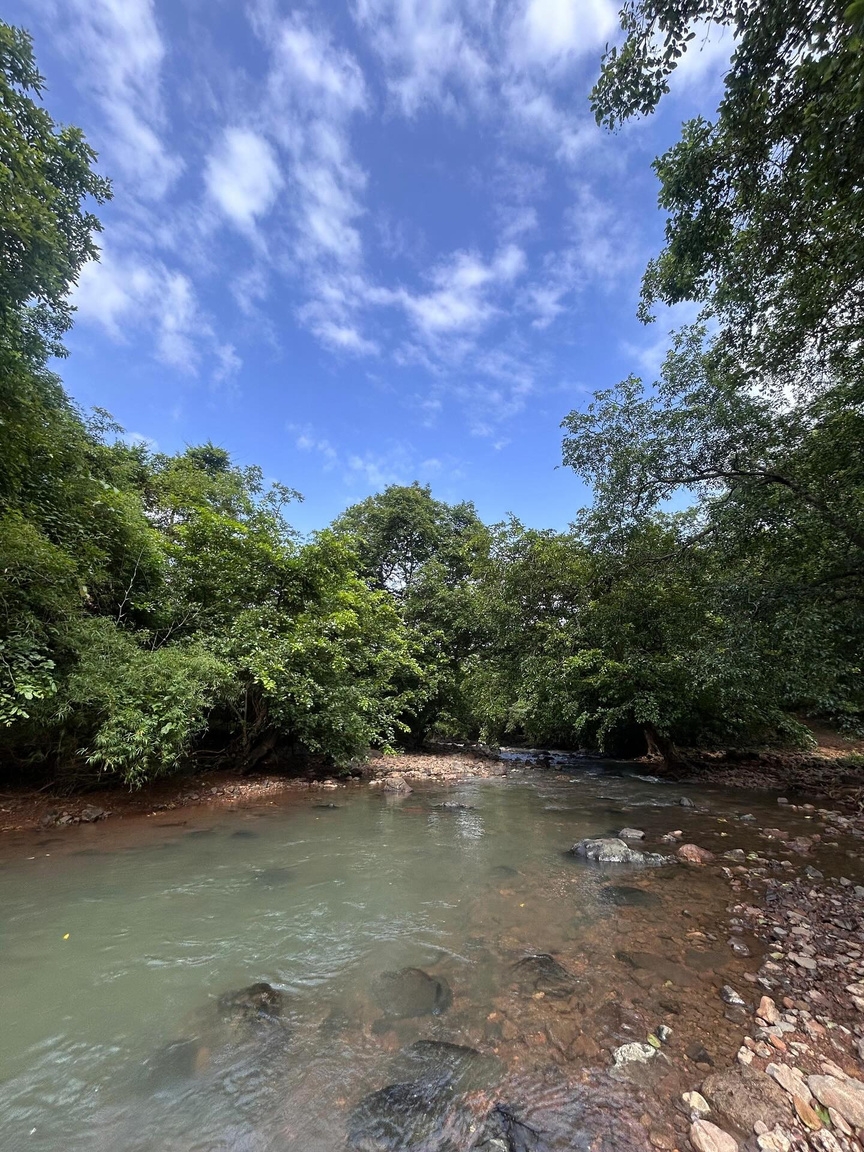
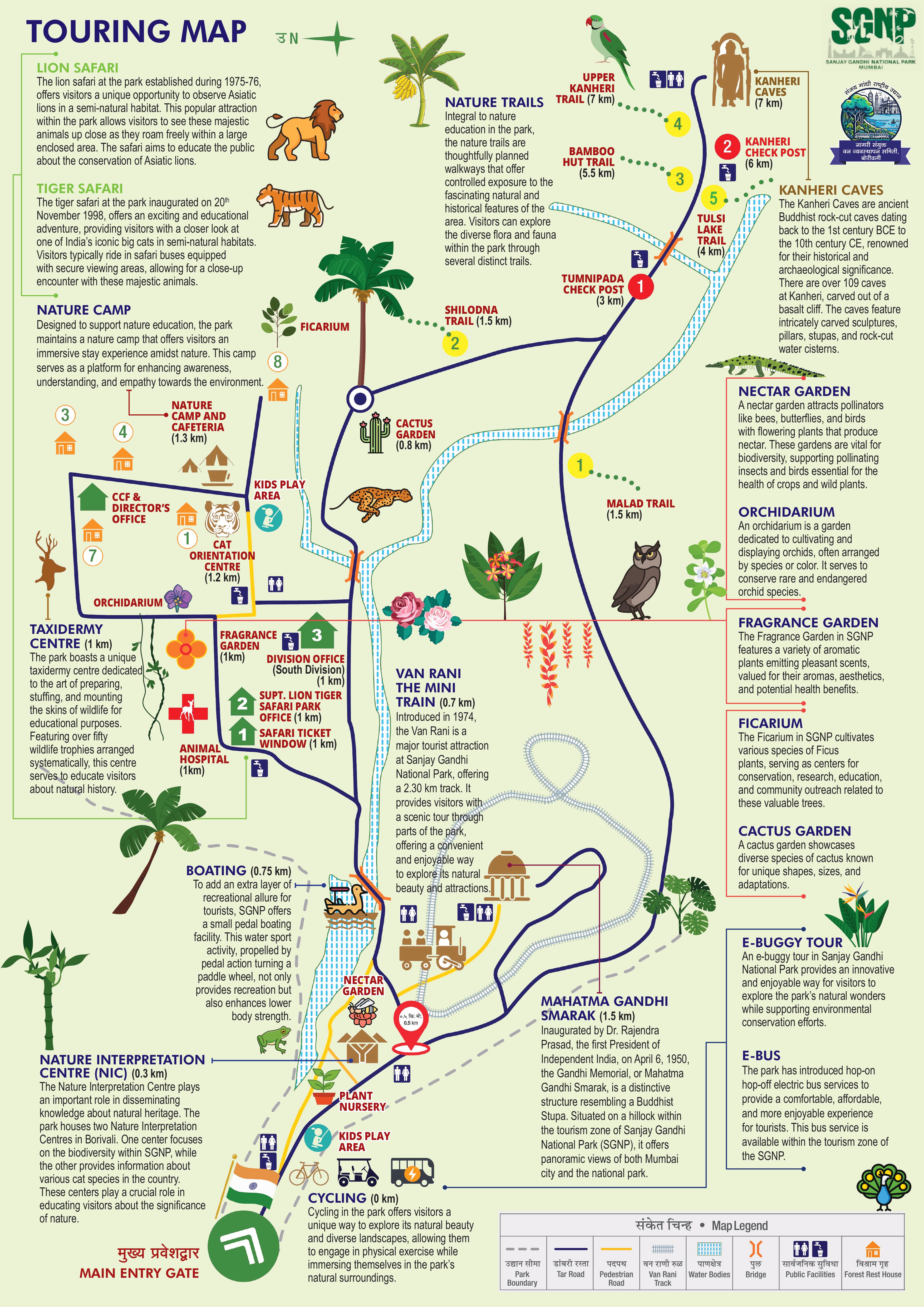
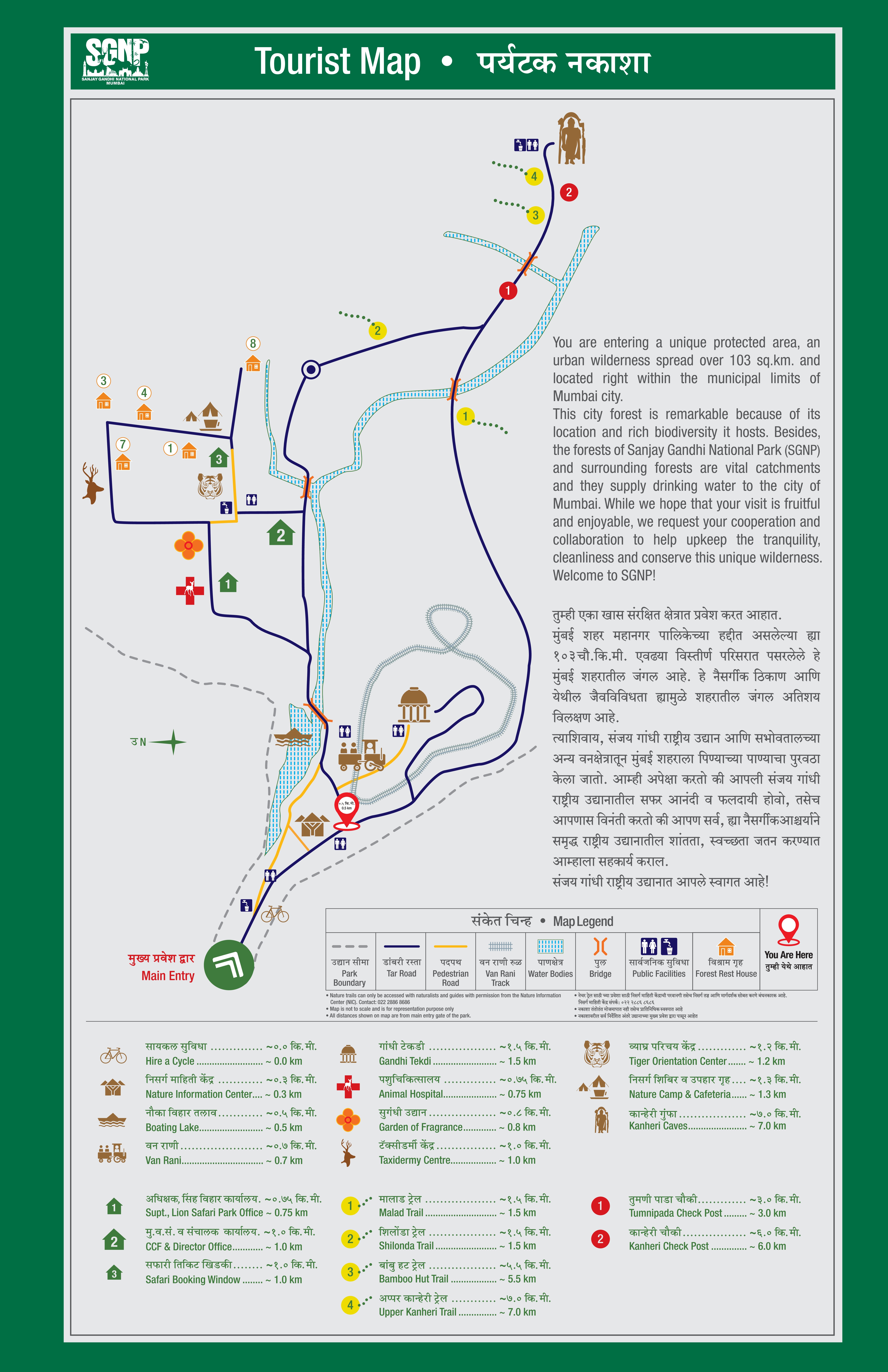
The Shilonda 1 st Stream Trail is an easy-grade and very popular beginner-level nature trail. It is a 3 km (to and fro) route that remains open throughout the year. Once the home of a tribal settlement that has since moved away, nature has now completely reclaimed this area. As you walk, you can observe a gradual change in vegetation from open scrub-land at the start to dense forest further ahead. At the end of the trail, a clear, knee-deep forest stream awaits you. Wading through this crystal-clear water is truly therapeutic for the city-weary soul. Visitors often sit by the stream to relax and enjoy the cool natural breeze.
Malad Trail
This trail runs along the western edge of the park and features a variety of vegetation. It begins with dry-deciduous species such as Teak, Red Silk Cotton, Palash, Laburnum, and thick Bamboo clusters, and gradually transitions into more evergreen growth. This gentle trail leads to an artificial waterhole, where you may spot signs of wildlife activity from the previous night. As you continue walking, the path becomes slightly denser and eventually brings you to the forest’s edge near the suburb of Malad. Where the contrast between the wilderness and the ever-expanding city becomes strikingly evident.
Upper Kanheri Trail
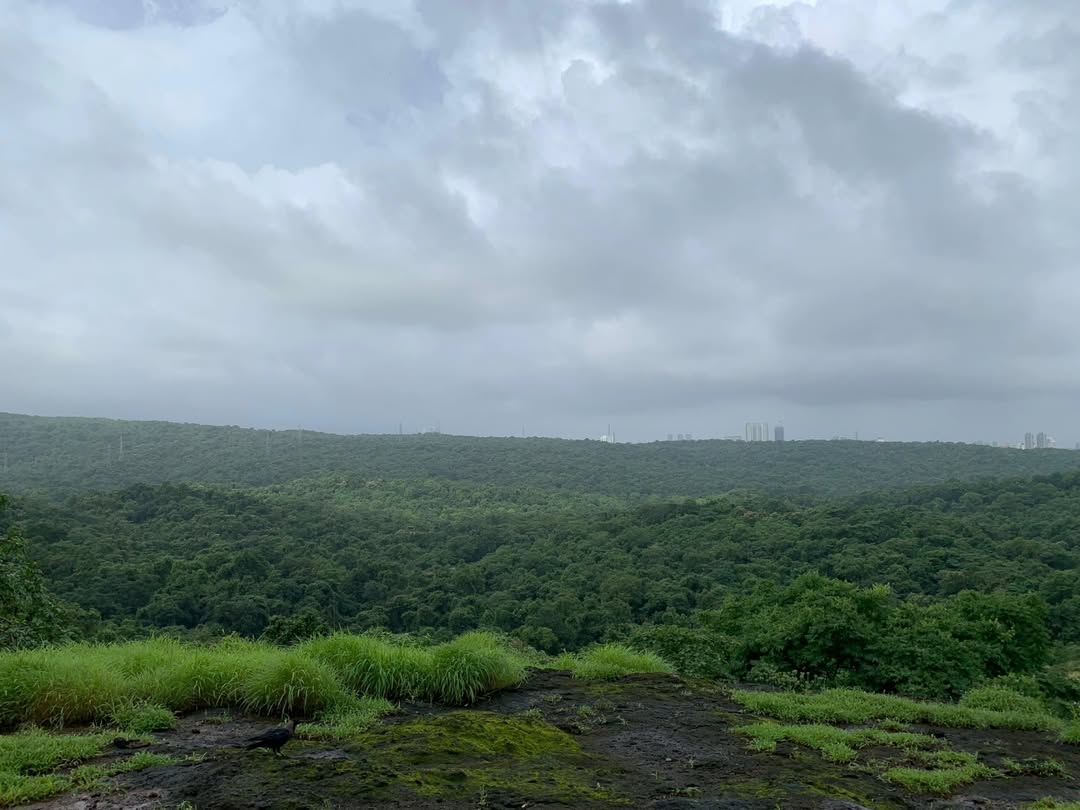
If you're ready for a refreshing Sunday morning walk, this trail is a great choice. It offers wonderful bird-watching opportunities and gives you a close look at the rich life found in these evergreen forests. Mostly shaded and pleasant, the path leads to a small rocky viewpoint. Almost like a natural balcony with a beautiful, relaxing view. Along the way, you’ll cross a lively little waterfall, so watch your step on the mossy rocks. After a short climb, you’ll reach the top of the Kanheri Caves, where you can enjoy a stunning contrast: the peaceful forests of SGNP on one side and the bustling suburbs of Mumbai on the other.
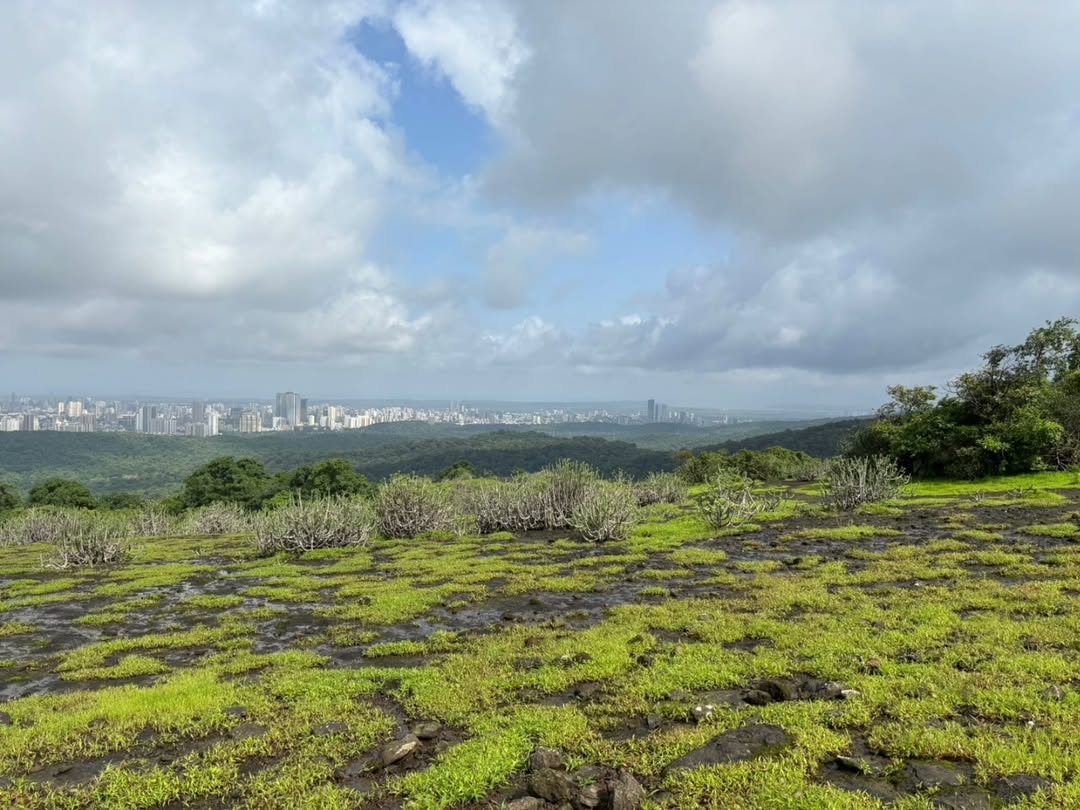
Gaumukh Hike (Bamboo Hut to Plateau) / Gaumukh Trail (Kanheri Caves to Plateau)
Among the most popular birding routes in the forest, this trail is gentle but fairly long, making it perfect for those who enjoy slow, immersive walks. The hike takes you to the second highest point in the park about 1,000 feet above sea level and leads you to the well-known Gaumukh Point located at the top of the Kanheri Caves. At the base of the hike lies a serene,picturesque waterhole known locally as “Phansacha Paani”. This spot attracts wildlife throughout the year, and with the required permissions from the forest
department, visitors
can even spend the night in one of the two tall watchtowers nearby to experience
unforgettable wildlife moments.
There are two ways to explore Gaumukh:
• Gaumukh Hike – A longer route starting from the Bamboo Hut and leading to the Kanheri
Caves via the Gaumukh Plateau.
• Gaumukh Trail – A shorter route starting from the Kanheri Caves, heading directly to the
plateau and returning along the same path.
Both paths offer beautiful forest views, rich birdlife, and a chance to witness the peaceful
wilderness of SGNP.
Kashimira Trail
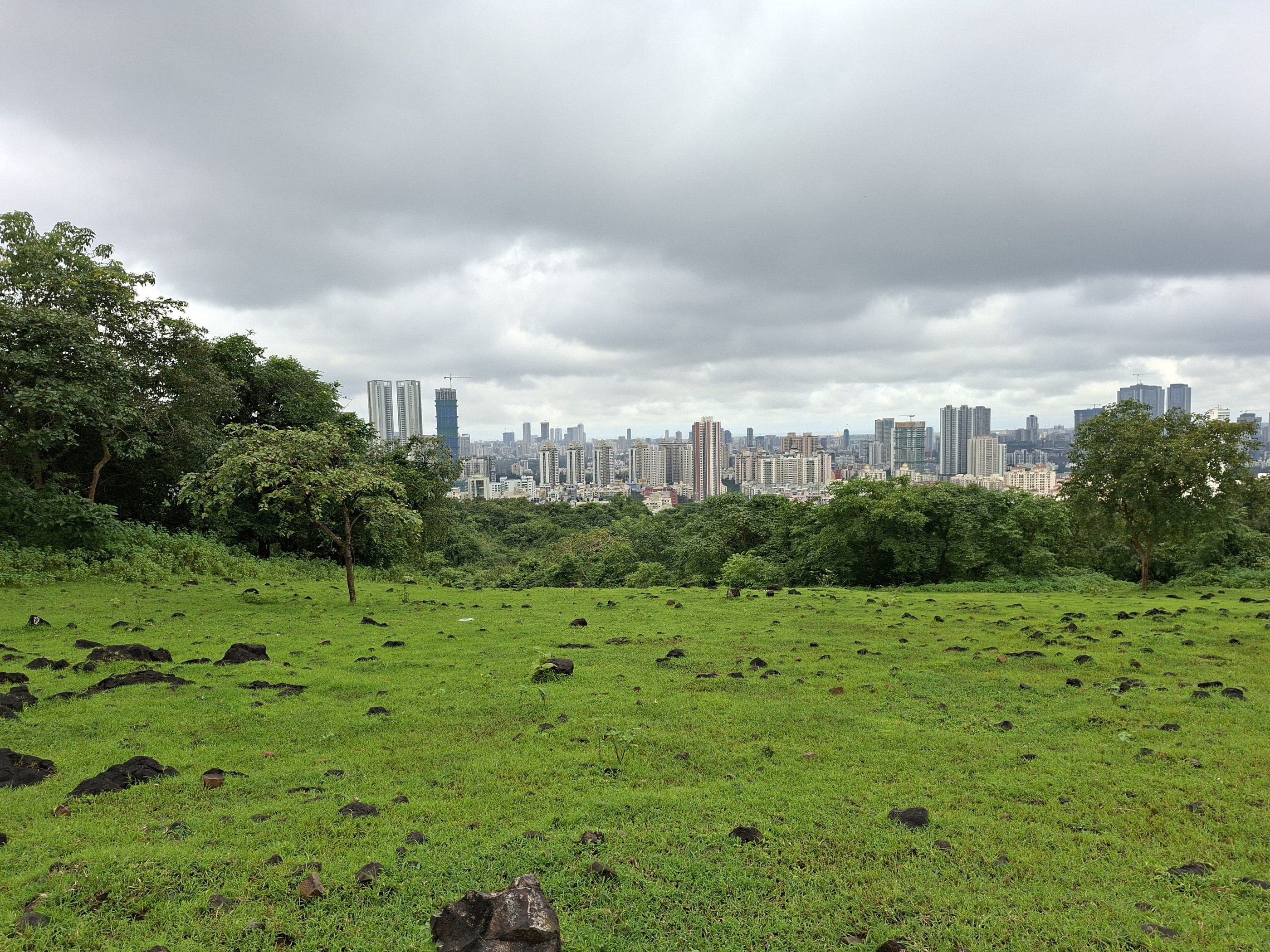
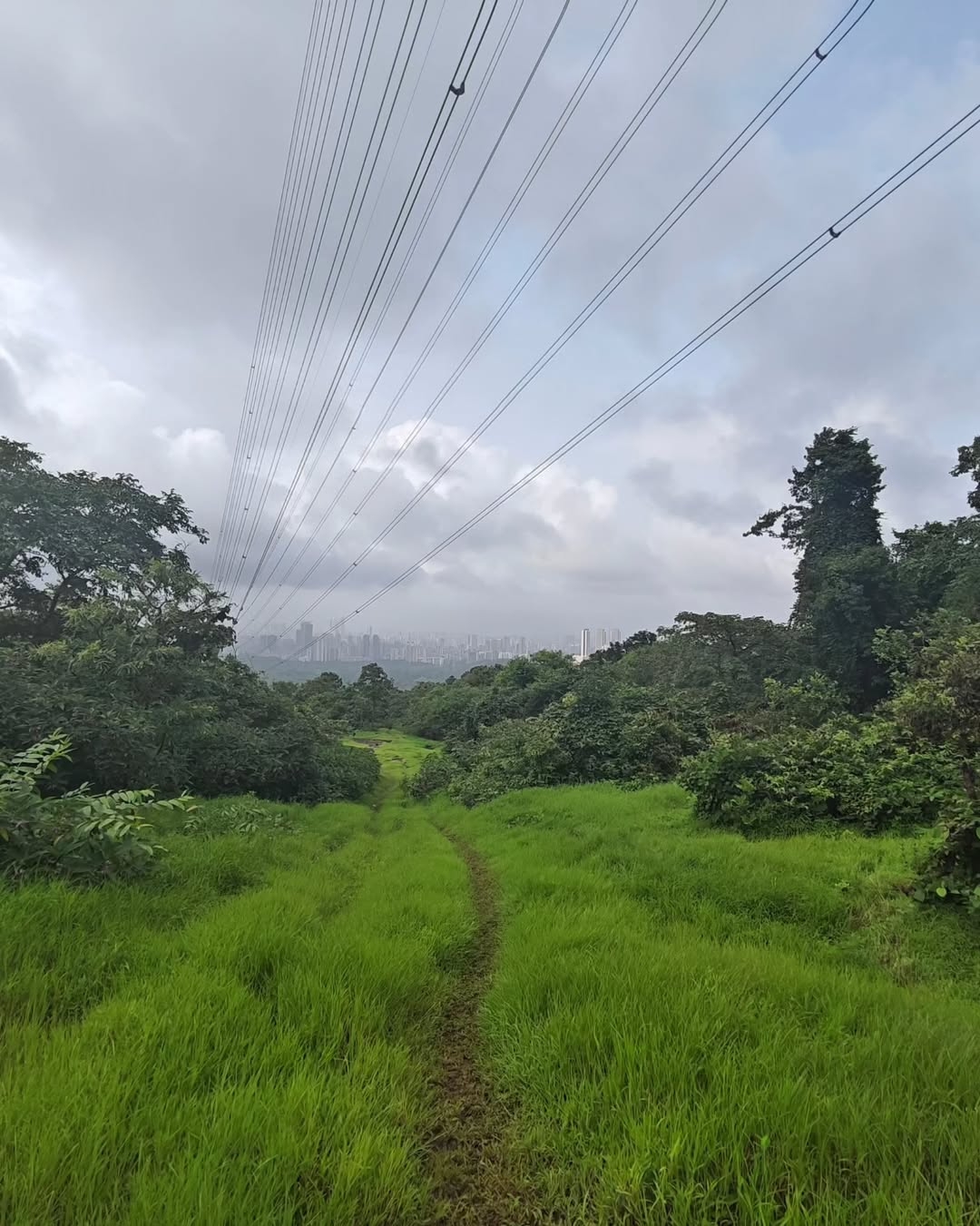
This unique Trail begins near the Lion Safari Gate inside SGNP and takes you deep into the northern side of the forest. As you move ahead, the Hike gradually climbs and becomes surrounded by thick forest cover. Near the final stretch, the path narrows as Karvi plants grow densely on both sides. The trail eventually opens up onto a wide, open plateau. Turn around here, and you’ll be greeted with a striking cityscape view framed by the peaceful forest around you. Throughout the route, the trail offers a rare kind of silence. One that only SGNP can provide right in the middle of Mumbai’s constant hustle and bustle.
Shilonda 2nd Stream Trail
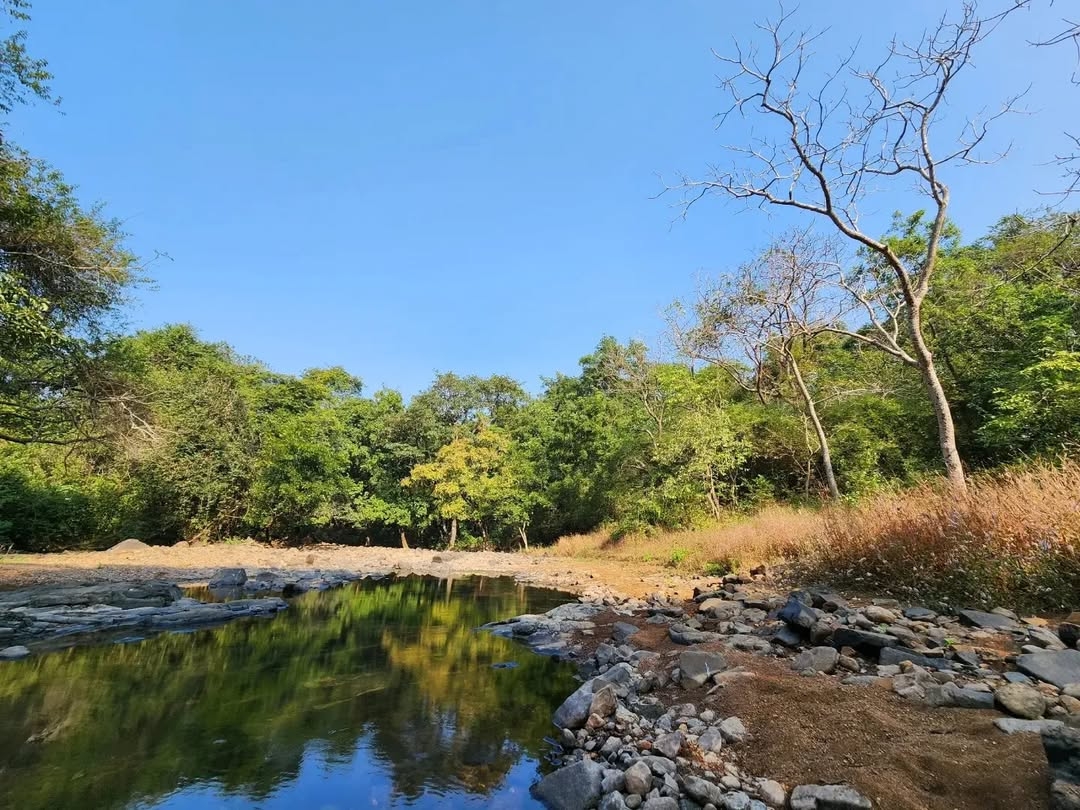
The Shilonda 2nd Stream trail is a beautiful path that runs parallel to the stream, which dries up during the summer months, from December to May. The trail begins at the crossing of the Shilonda 1st Stream and extends for approximately 1 to 1.5 km, ending at the 2nd stream. Along the way, you'll find a variety of trees, including Asan, Karanj, and the distinctive crocodile bark trees, which add to the scenic beauty of the area. The open patches near the 2nd stream are a great spot to observe birds, and during certain seasons, you can also see butterflies engaged in mudpuddling. This tranquil walk offers a unique experience of nature, especially when the stream is dry and the landscape changes with the seasons.
Shilonda Raptor’s Point Hike
Raptors Point is an extension of the Shilonda 2nd Stream trail and is renowned as a prime spot for observing majestic birds of prey, such as eagles and hawks, soaring in their natural habitat. This hike provides stunning forest views and offers a unique opportunity to connect with Mumbai’s urban wilderness. After crossing the 2nd stream, the path leads you on a gradual uphill hike, ultimately ending at a rocky mountain. It's a rewarding experience for nature enthusiasts and birdwatchers alike.
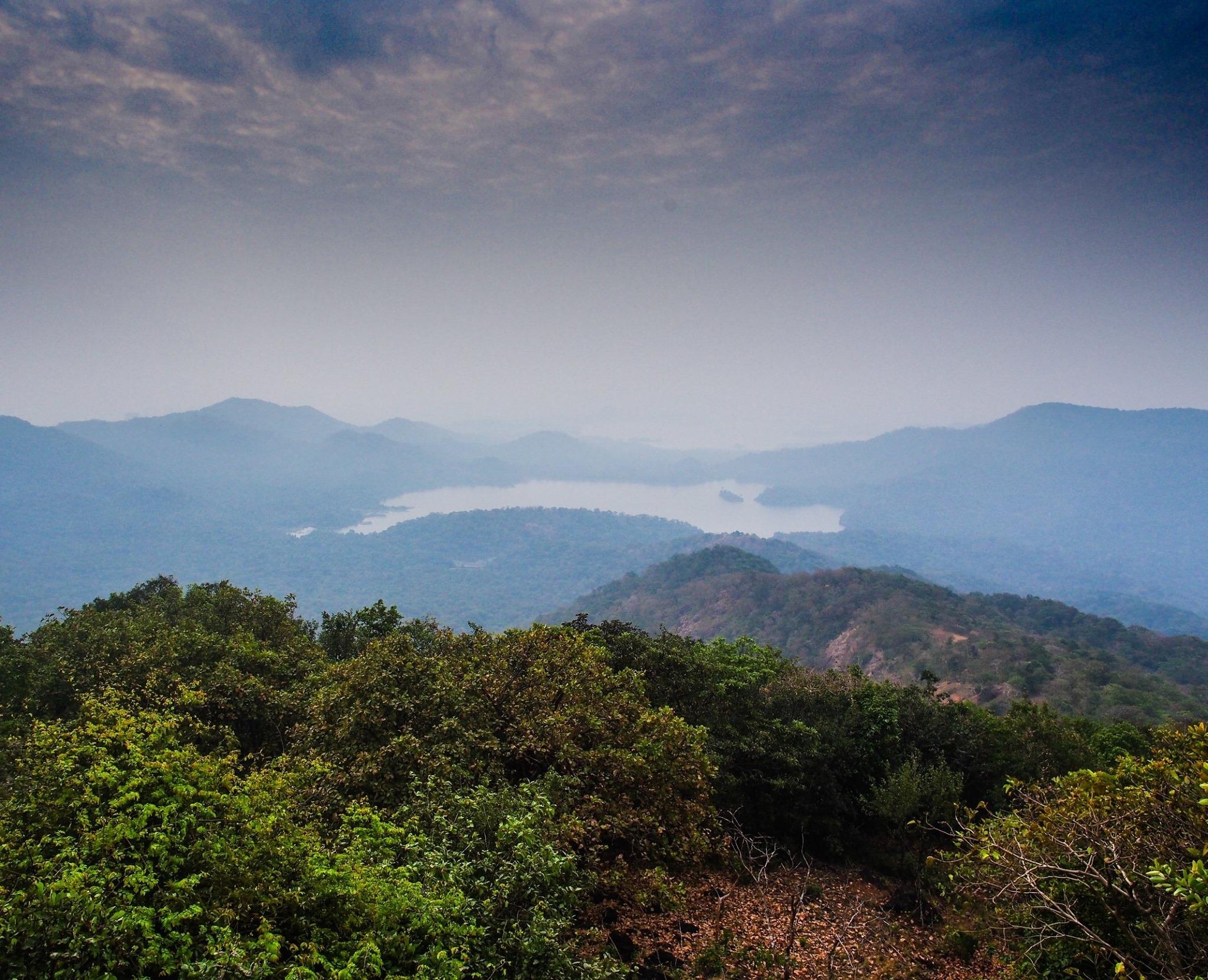
Highest Point Hike
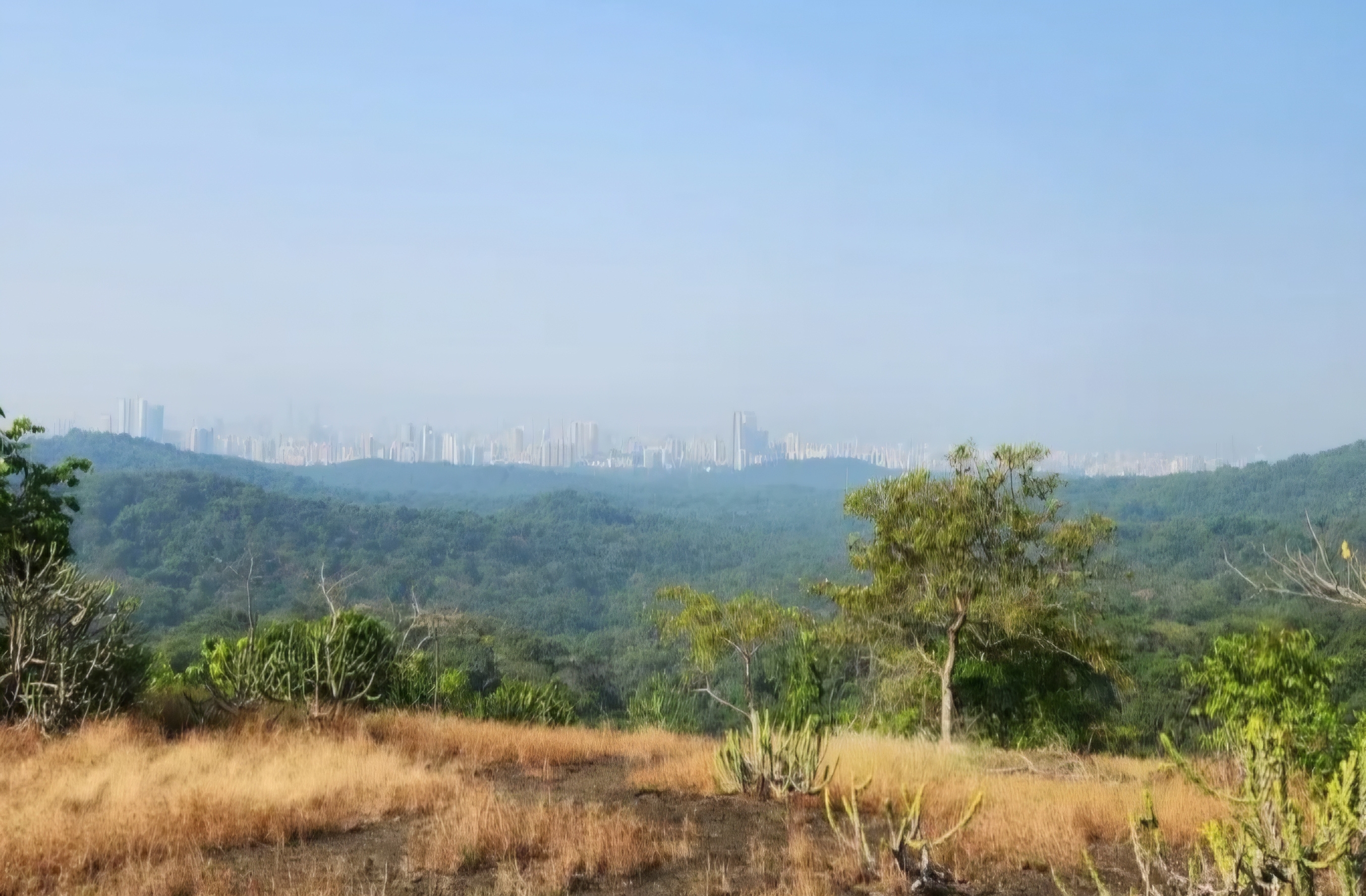
At other times, you can continue walking along the Bamboo Hut trail, crossing small streams, navigating rocky hill slopes, and enjoying the beautiful forest vistas that make this hike so refreshing. Along the way, you will pass through Ashok Van, a dense grove of Sita-Ashok (Saraca indica) trees. This shaded and peaceful spot is perfect for taking a short break and soaking in the tranquility. If you manage to reach the highest point of the park, you’ll be rewarded with a surreal panoramic view of the three lakes - Tulsi, Vihar, and Powai, set against the backdrop of the city.
The Highest Point Hike, also known as the Jambhulmaal Trek, is truly a trekker’s delight right in the heart of India’s financial capital. Standing at approximately 1,500 feet above sea level, it is the highest point in Mumbai. From the summit, you can enjoy sweeping views of the Mumbai suburbs on one side and the Thane region on the other, making the experience even more memorable.
Explore More of SGNP
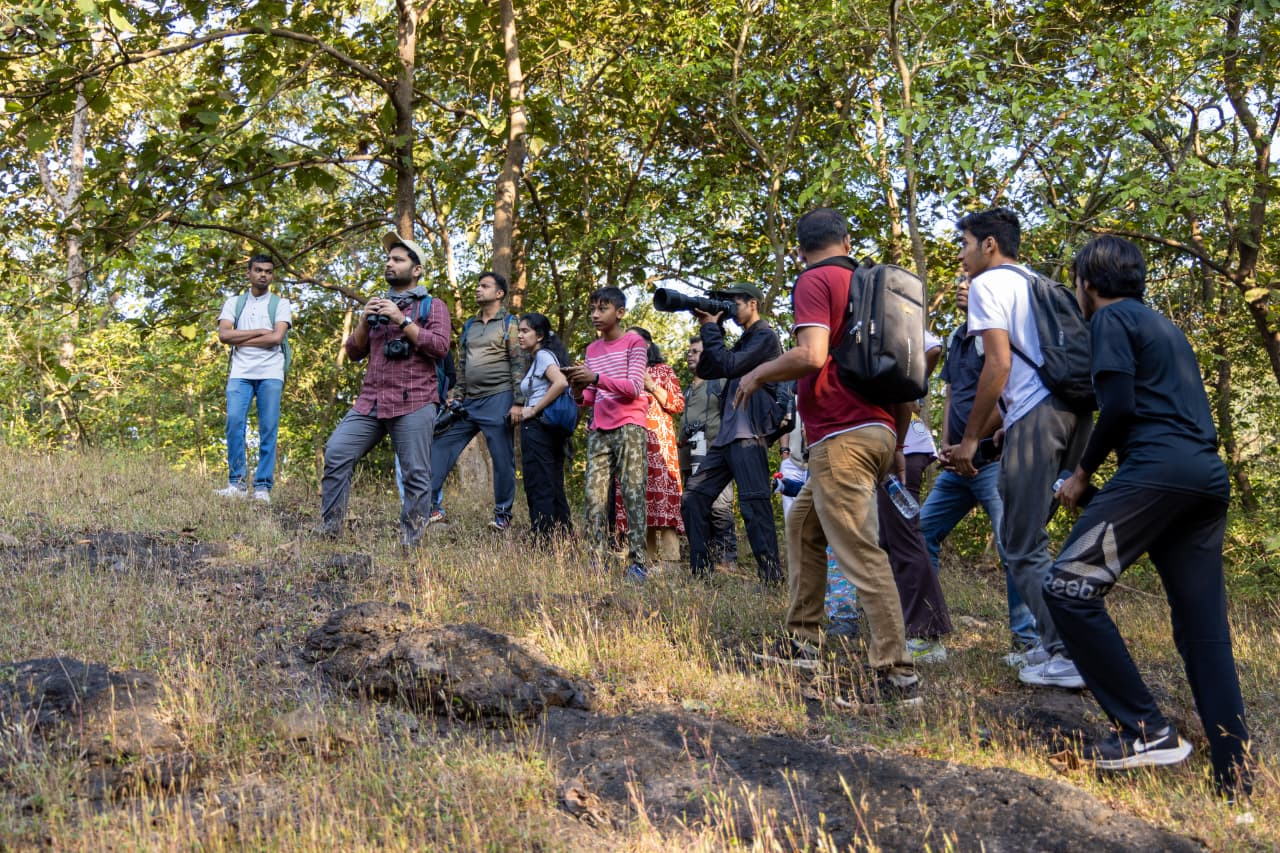
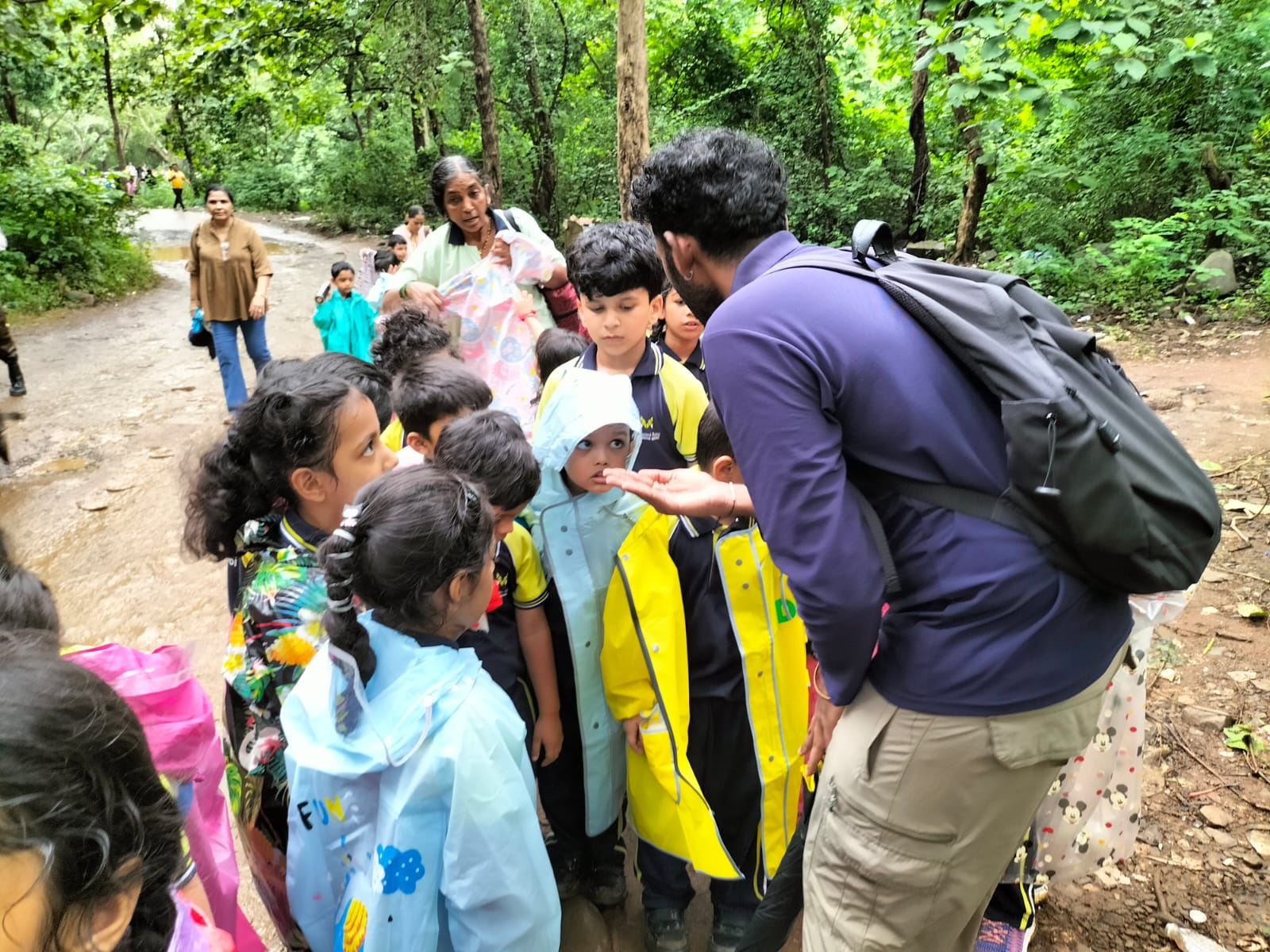
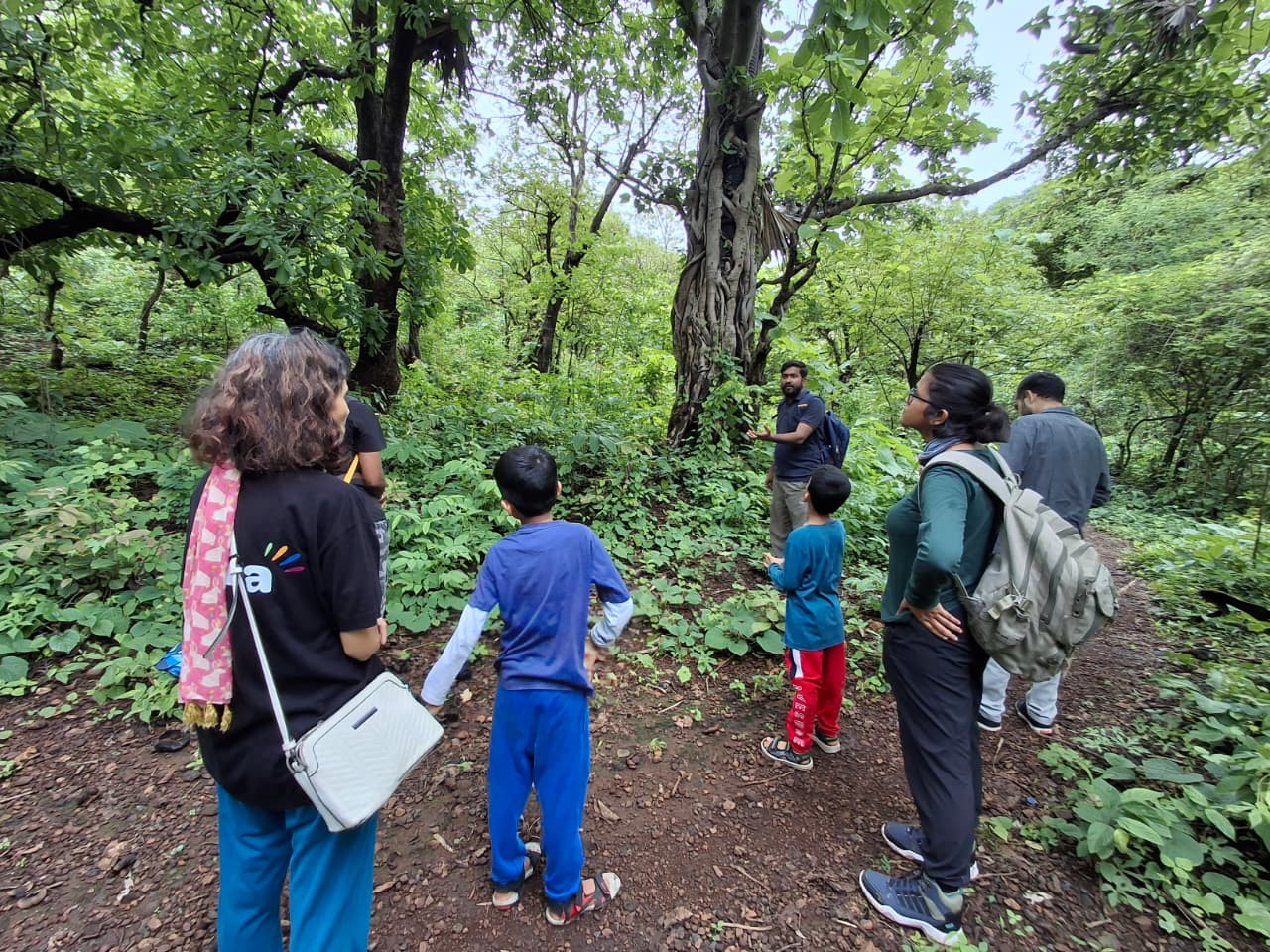
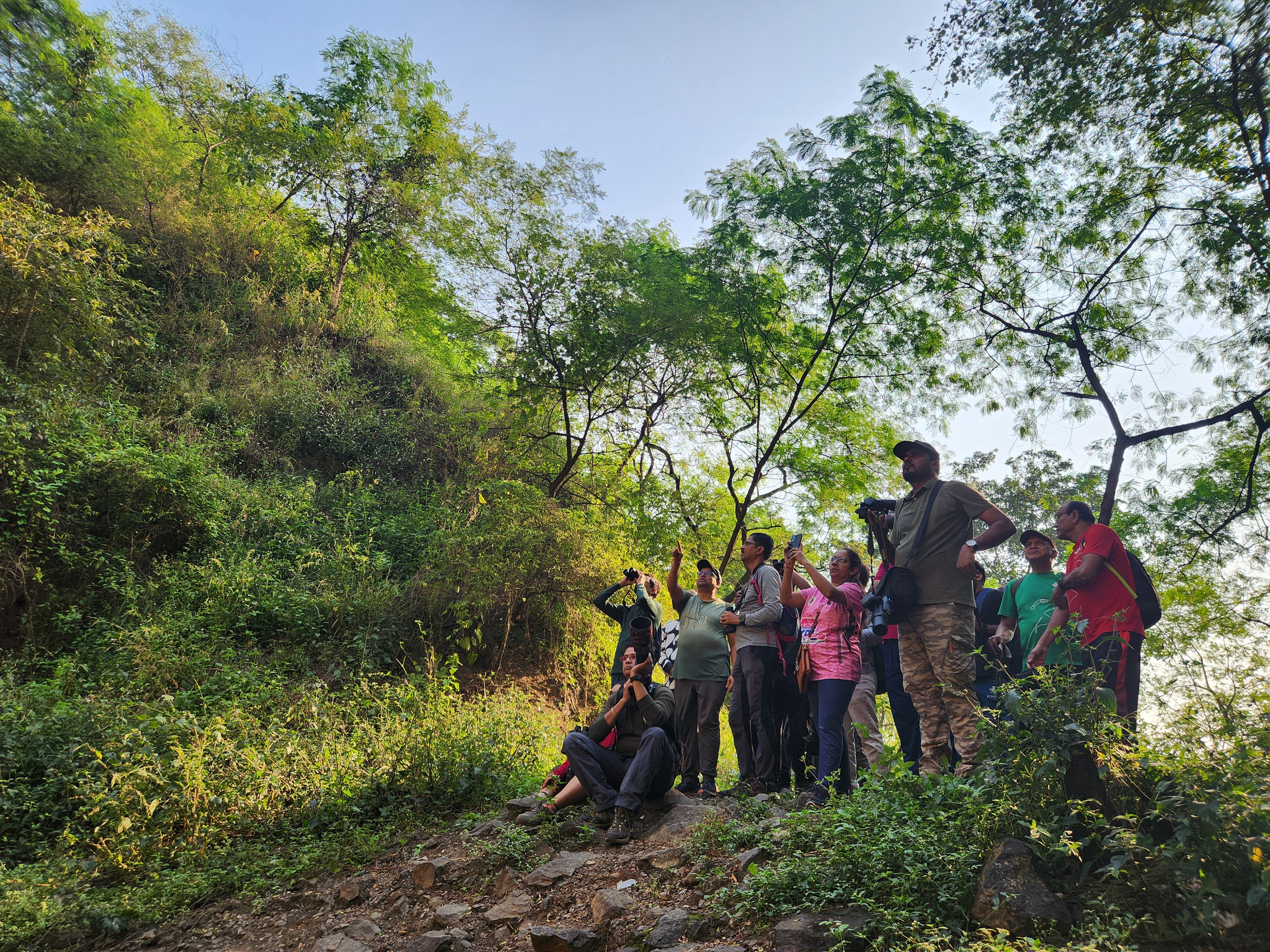
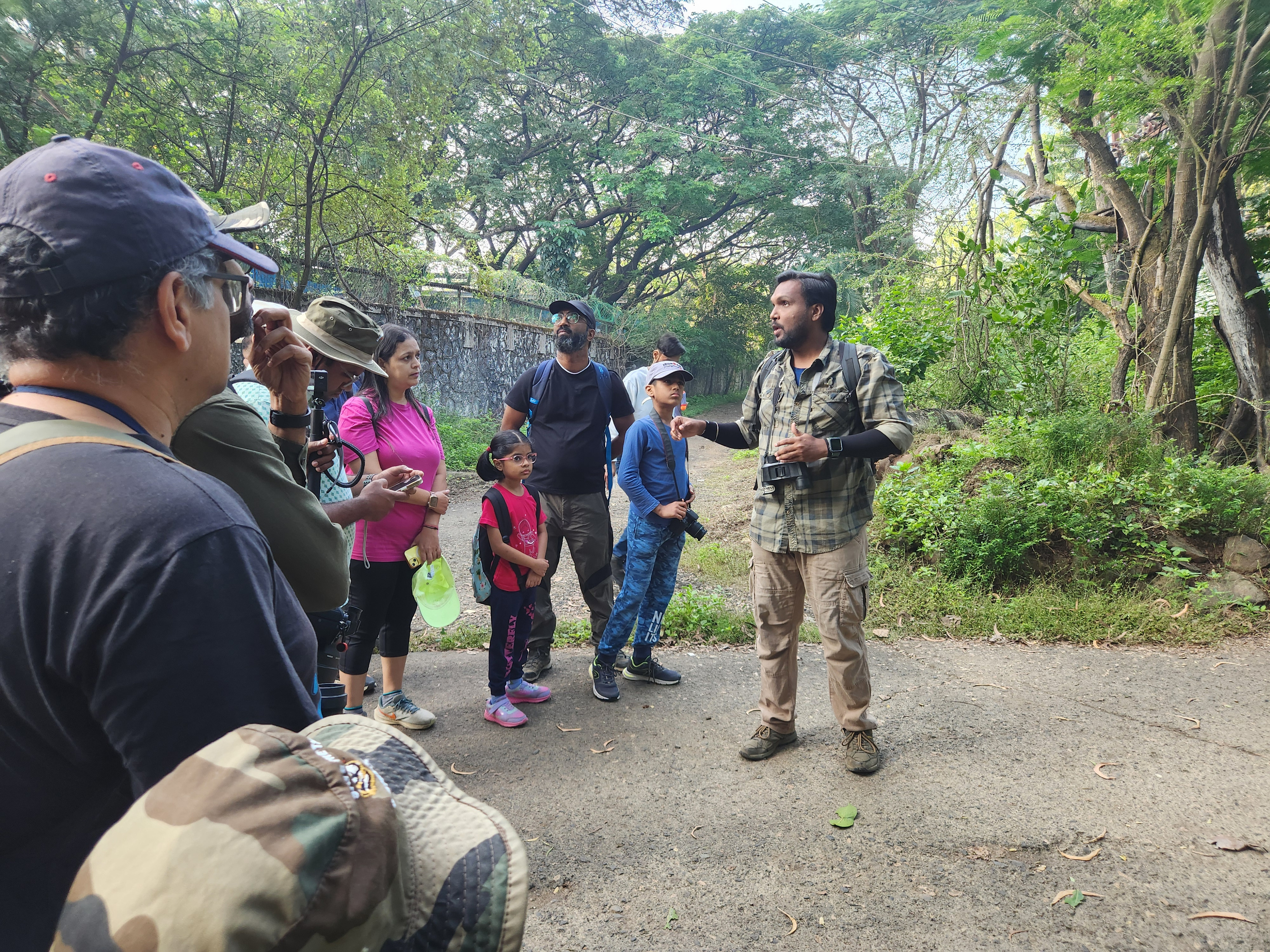
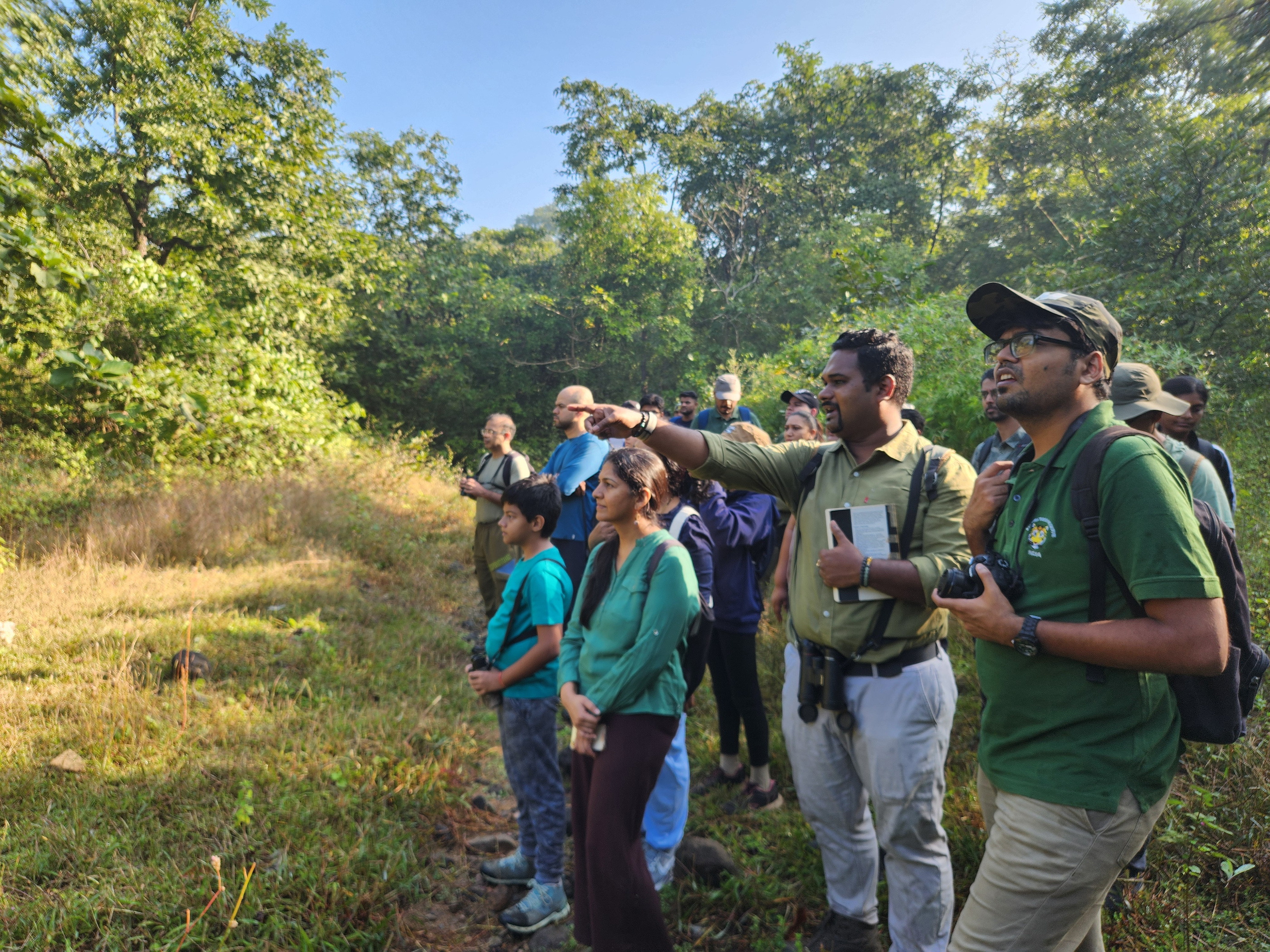
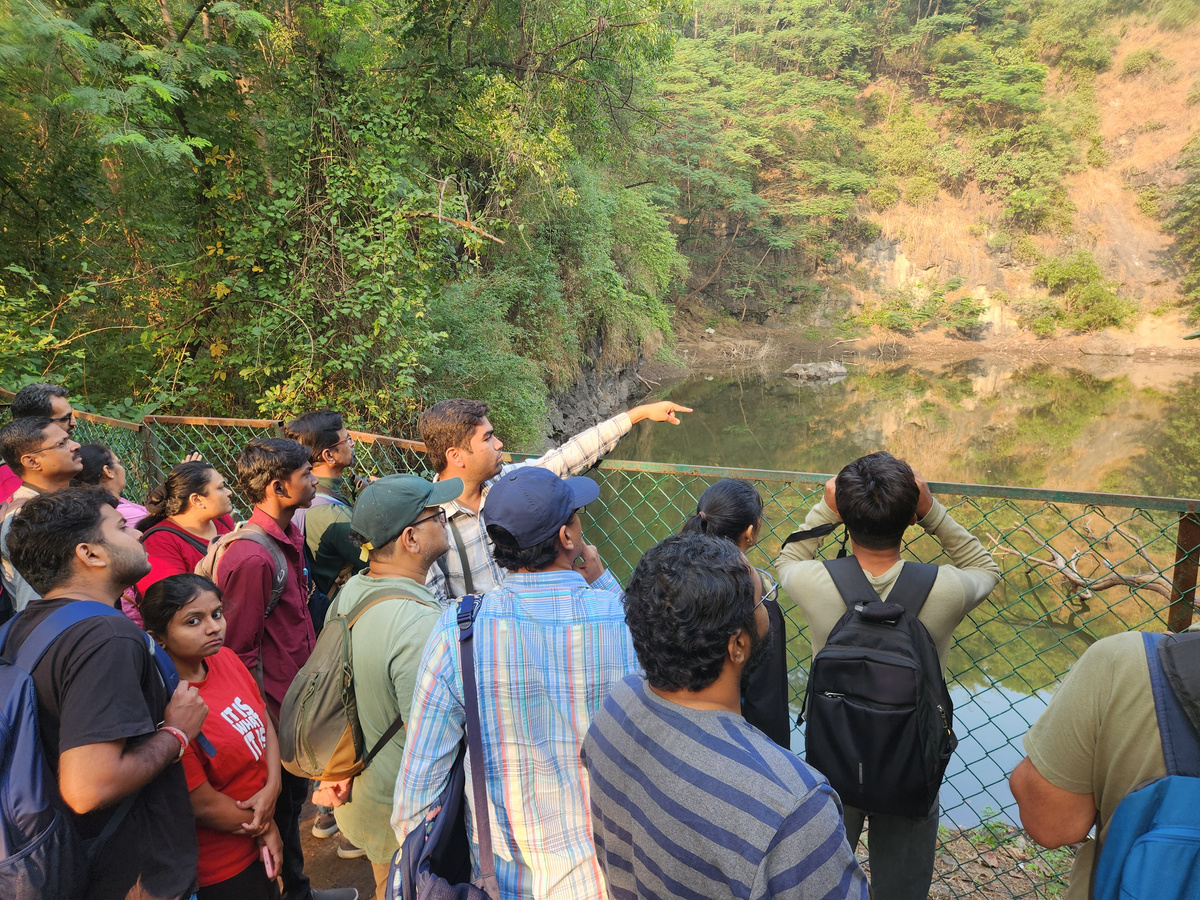
Explore Our Trails

This peaceful trail starts along the plains before the Kanheri foothills and winds into a long hike. Nature has completely reclaimed this territory, revealing gradation from scrub-land to dense evergreen forest.

This western edge trail features varied vegetation from dry-deciduous to evergreen. Walk to an artificial water hole to witness wildlife activity, then see the striking contrast between forest and expanding city.

Perfect for Sunday morning legwork, this trail offers excellent birding and habitat exploration. The shaded hike leads to a rocky 'balcony' with astounding views, then up to Kanheri Caves overlooking Mumbai's suburbs.

A popular birding trail leading to the park's highest point (1,000 feet) and Gaumukh point. Features 'Phansacha Paani' waterhole attracting wildlife. Overnight watchtower stays available with permission.

Cross streams and rocky slopes to reach a surreal panorama of Tulsi, Vihar and Powai lakes against Mumbai's skyline. Pass through 'Ashok Van', a peaceful grove of Sita-Ashok trees with Ramayana legends.

This pristine forestland beyond Bassein Creek features mangrove-forest confluence. Home to undisturbed mangrove vegetation and occasional wildlife surprises - like the mysterious 2003 tigress sighting.
Plan Your Visit
Mr. Akash Mhadgut
Nature Education & Extension Officer, Borivali
Mr. Shubham Hadkar
Nature Education & Extension Officer, Yeur & Tungareshwar
Mobile
Mobile
Sanjay Gandhi National Park
103 sq.km. of pure wilderness forming roughly 20% of Mumbai's geographical area. A breathing ecosystem with much to offer.
Credit: P R Masurkar
Shilonda Trail
This peaceful trail starts along the plains before the Kanheri foothills and winds into a long hike. Nature has completely reclaimed this territory, revealing gradation from scrub-land to dense evergreen forest.
Cross crystal clear streams for a therapeutic experience away from city chaos.
Credit: Dr. Anish Andheria
Malad Trail Line
This western edge trail features varied vegetation from dry-deciduous to evergreen. Walk to an artificial water hole to witness wildlife activity, then see the striking contrast between forest and expanding city.
Credit: P R Masurkar
Kanheri/Upper Trail
Perfect for Sunday morning legwork, this trail offers excellent birding and habitat exploration. The shaded hike leads to a rocky 'balcony' with astounding views, then up to Kanheri Caves overlooking Mumbai's suburbs.
Credit: Dr. Anish Andheria
Bamboo Hut/Gaumukh Trail
A popular birding trail leading to the park's highest point (1,000 feet) and Gaumukh point. Features 'Phansacha Paani' waterhole attracting wildlife. Overnight watchtower stays available with permission.
Credit: P R Masurkar
Highest Point Trail
Cross streams and rocky slopes to reach a surreal panorama of Tulsi, Vihar and Powai lakes against Mumbai's skyline. Pass through 'Ashok Van', a peaceful grove of Sita-Ashok trees with Ramayana legends.
Credit: Dr. Anish Andheria
Nagla Block Trail
This pristine forestland beyond Bassein Creek features mangrove-forest confluence. Home to undisturbed mangrove vegetation and occasional wildlife surprises - like the mysterious 2003 tigress sighting.
Explore More of SGNP


Plan Your Visit
Contact Person
Shri. Shubham Hadkar (Education Officer)
Office
Mobile
Share Your Feedback
Help us improve the SGNP experience 🌿