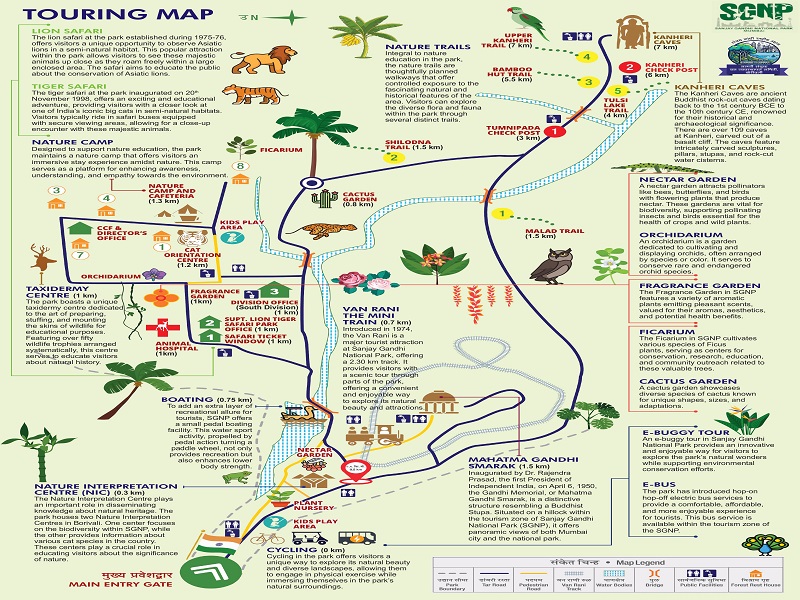
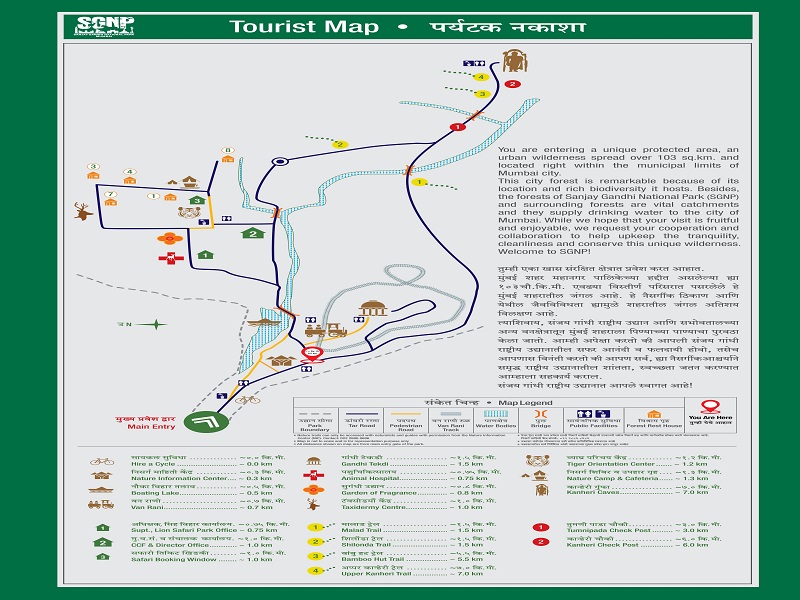
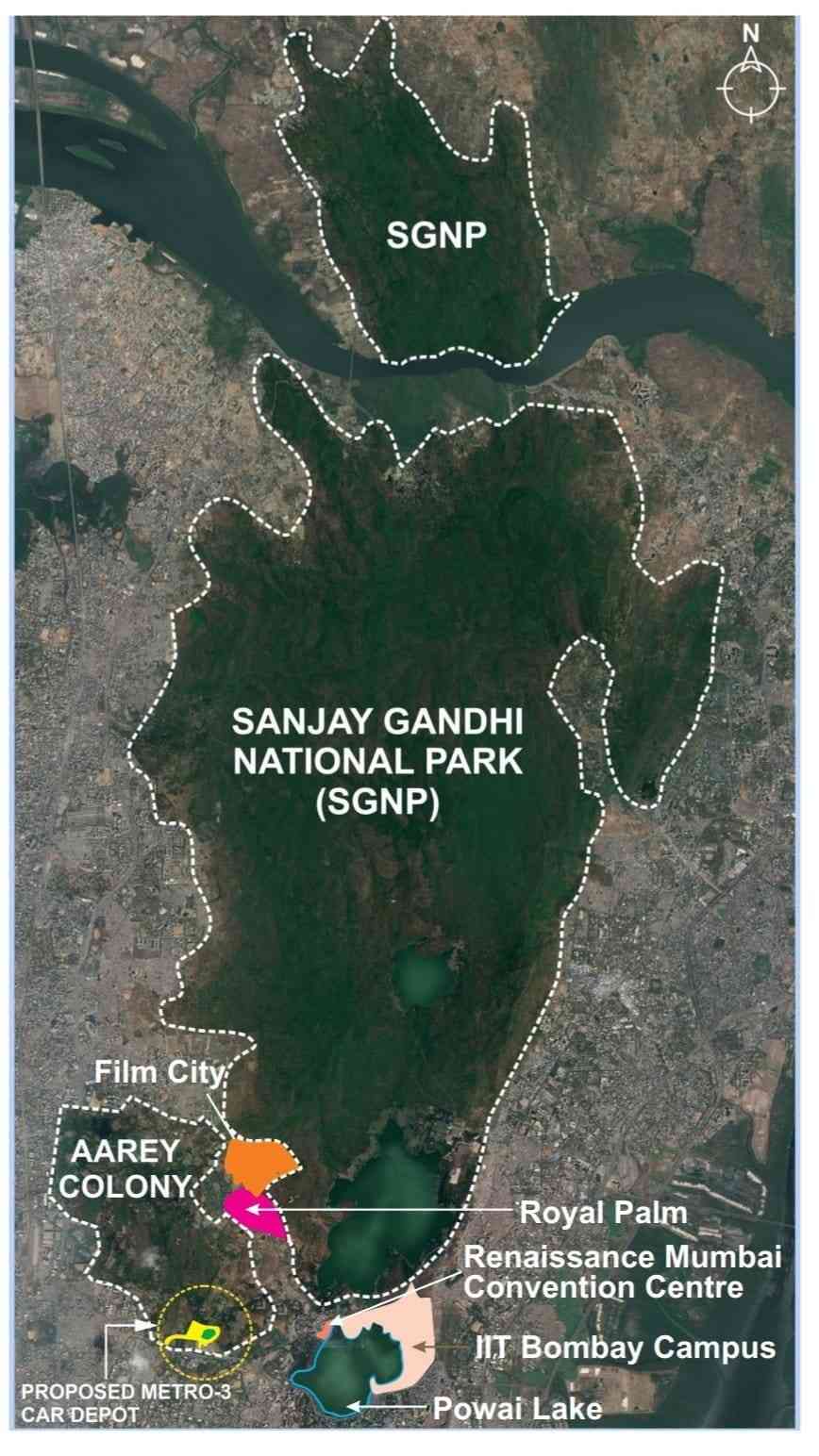
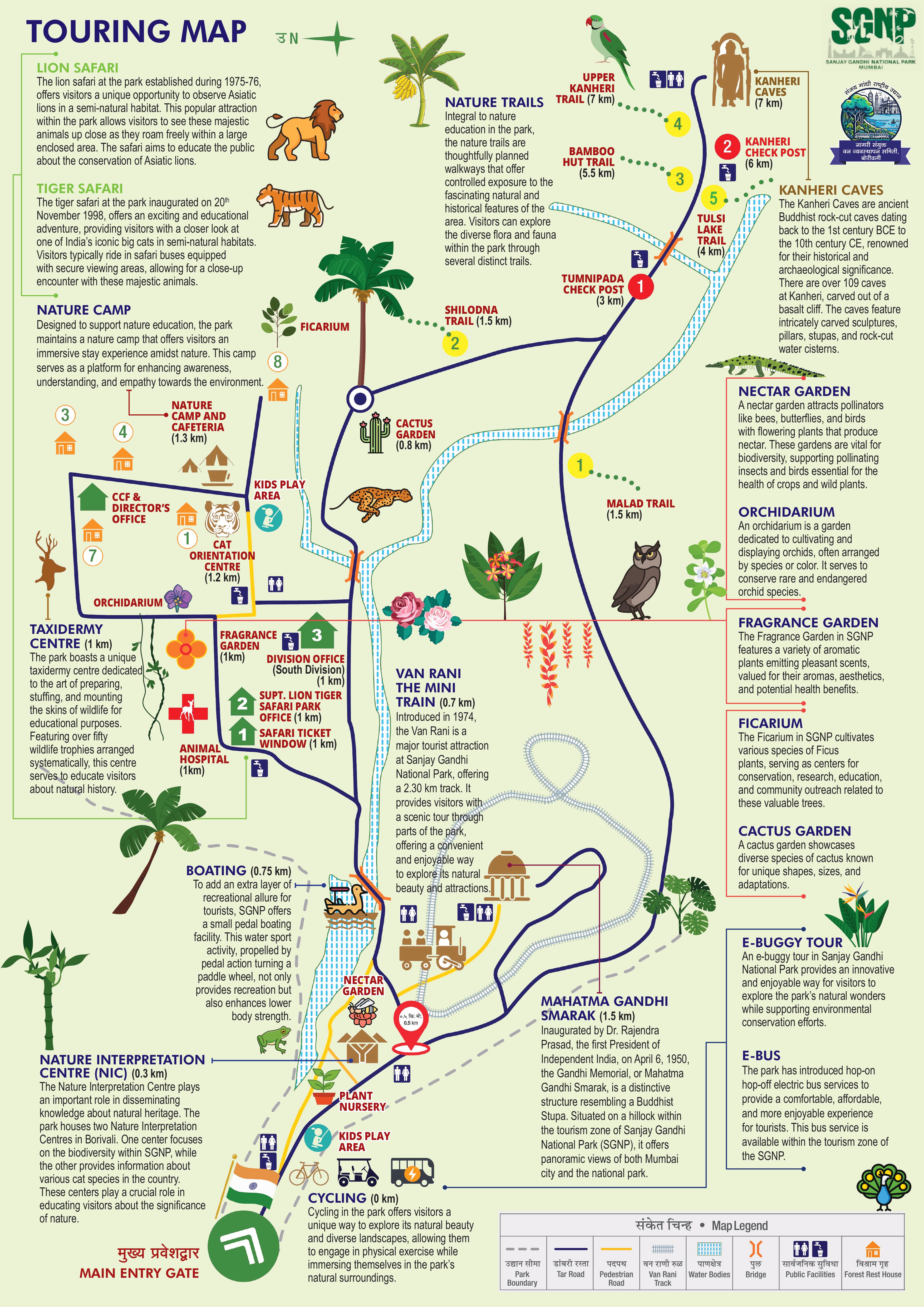
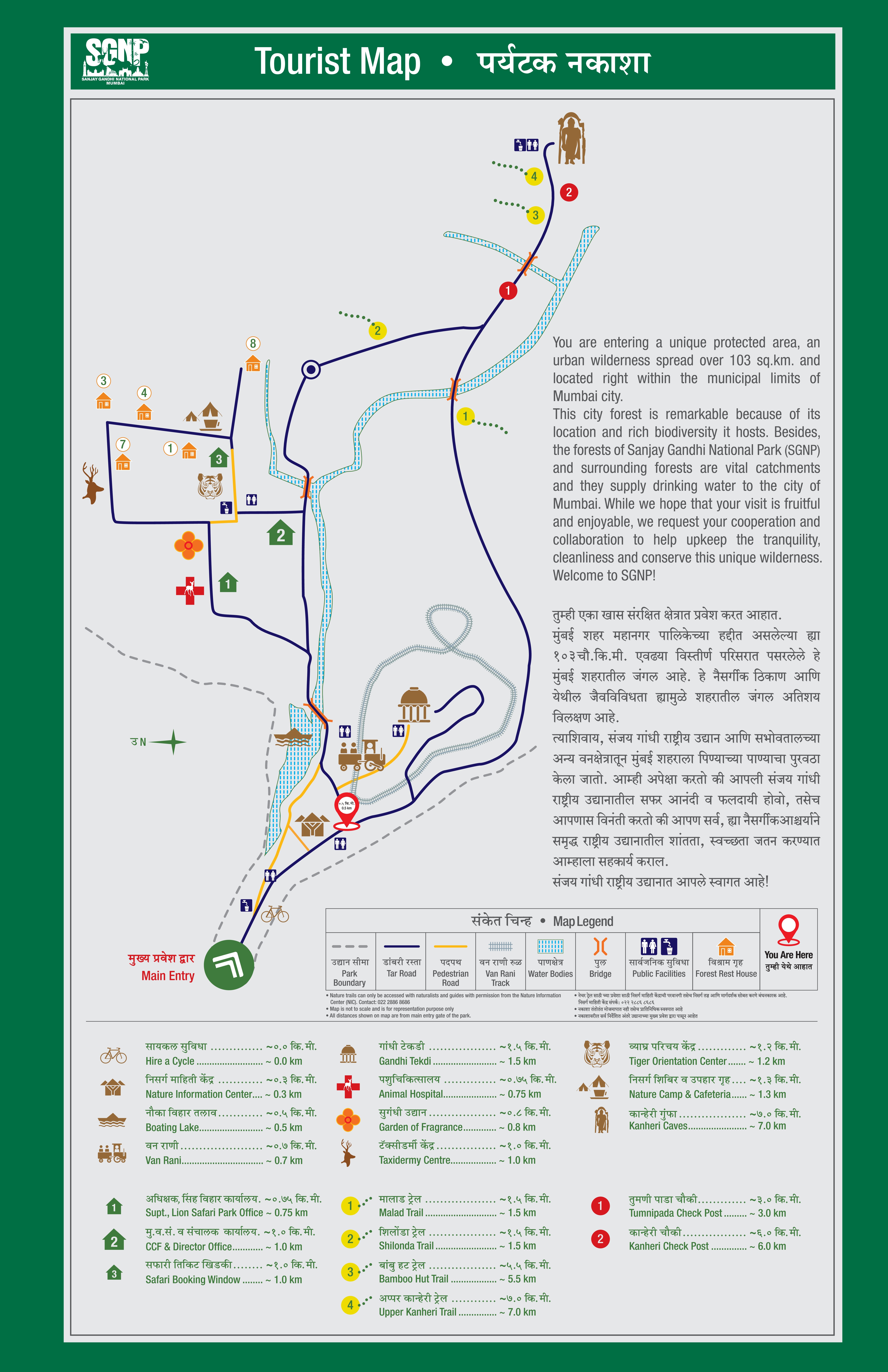
Discover the Wilderness of Sanjay Gandhi National Park
Explore the lush green trails, ancient caves, and wildlife safaris inside SGNP with expert guidance to make your visit both adventurous and educational.




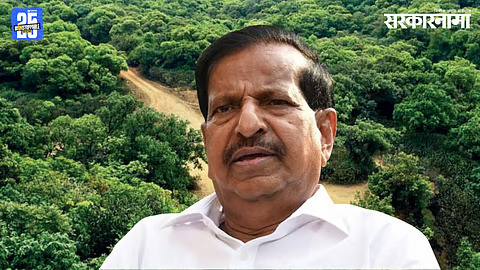

NIC (Nature Interpretation Centre) promotes biodiversity awareness amid urban growth and stands as a model of sustainable education and conservation in a metropolitan setting.
Discover Nature at the Heart of SGNP: The Nature Interpretation Centre
Start your Sanjay Gandhi National Park journey at the Nature Interpretation Centre (NIC) — a vibrant gateway into the park’s rich wildlife and ecosystems.
Outside, a serene butterfly garden and beautiful plants set the tone. A large 3D park model at the entrance gives a bird’s-eye view of SGNP’s vast landscape.
Inside, realistic 3D animal models, interactive exhibits, and digital displays bring the forest to life — from leopards and birds to reptiles and ancient trees. Learn about the park’s biodiversity, the threats to its survival, and how conservation plays a vital role.
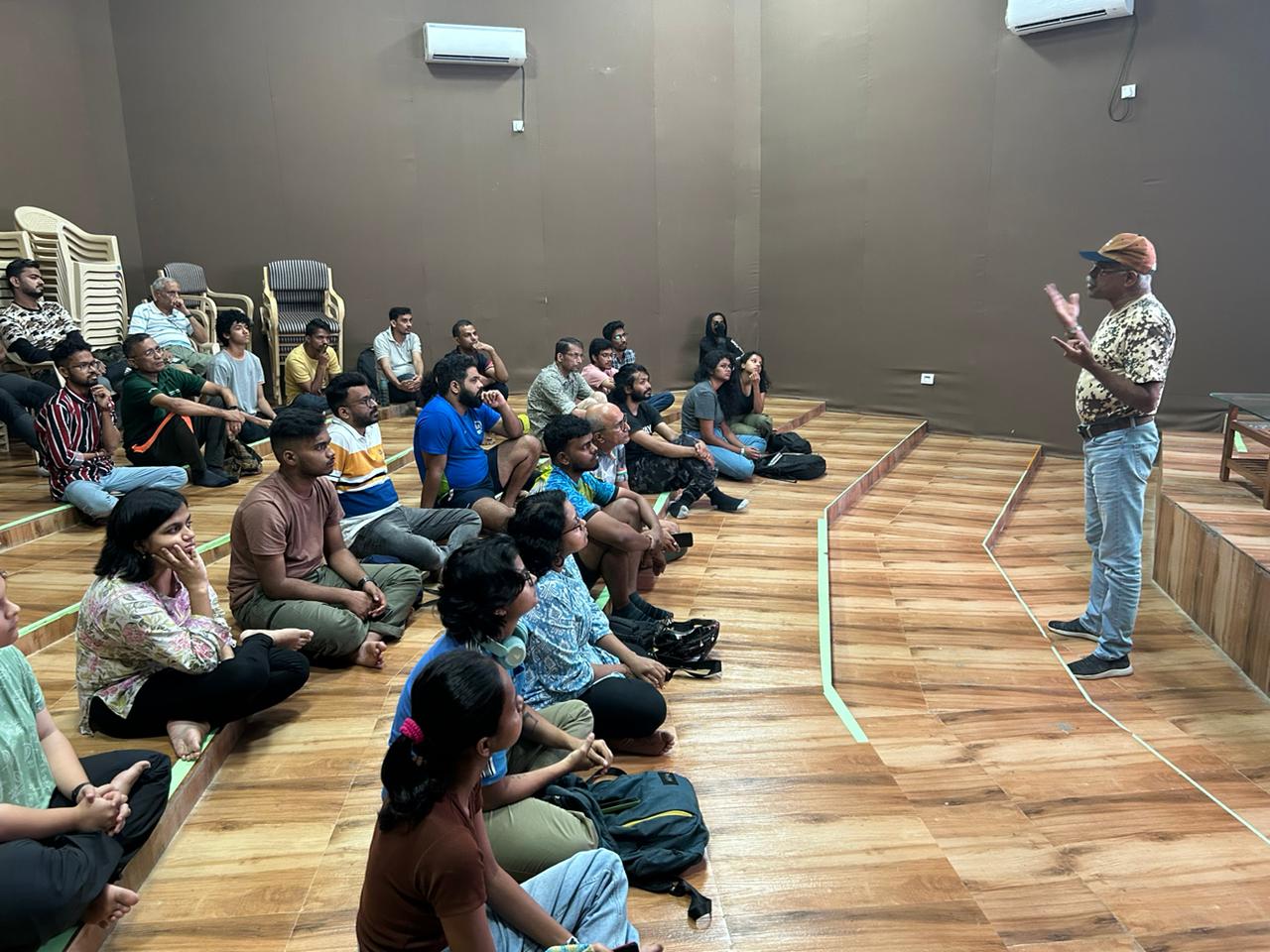
The Centre also features a modern auditorium for wildlife documentaries and an activity space for workshops, nature games, and eco-learning. Beyond the exhibits, NIC offers guided nature trails, bird walks, butterfly spotting, forest treks, and overnight camps — all led by expert naturalists.
Whether you're a student, tourist, or nature lover, the NIC offers an unforgettable, educational, and inspiring introduction to the wild wonders of SGNP.
Visitors Educated
Through Exhibits & Programs
Years of Conservation
& Environmental Awareness
Nature Enthusiasts
Inspired by SGNP & NIC
Collaborating Institutions
From Across the Globe
Get inspired with our most-loved travel guides and pro tips for your next getaway.
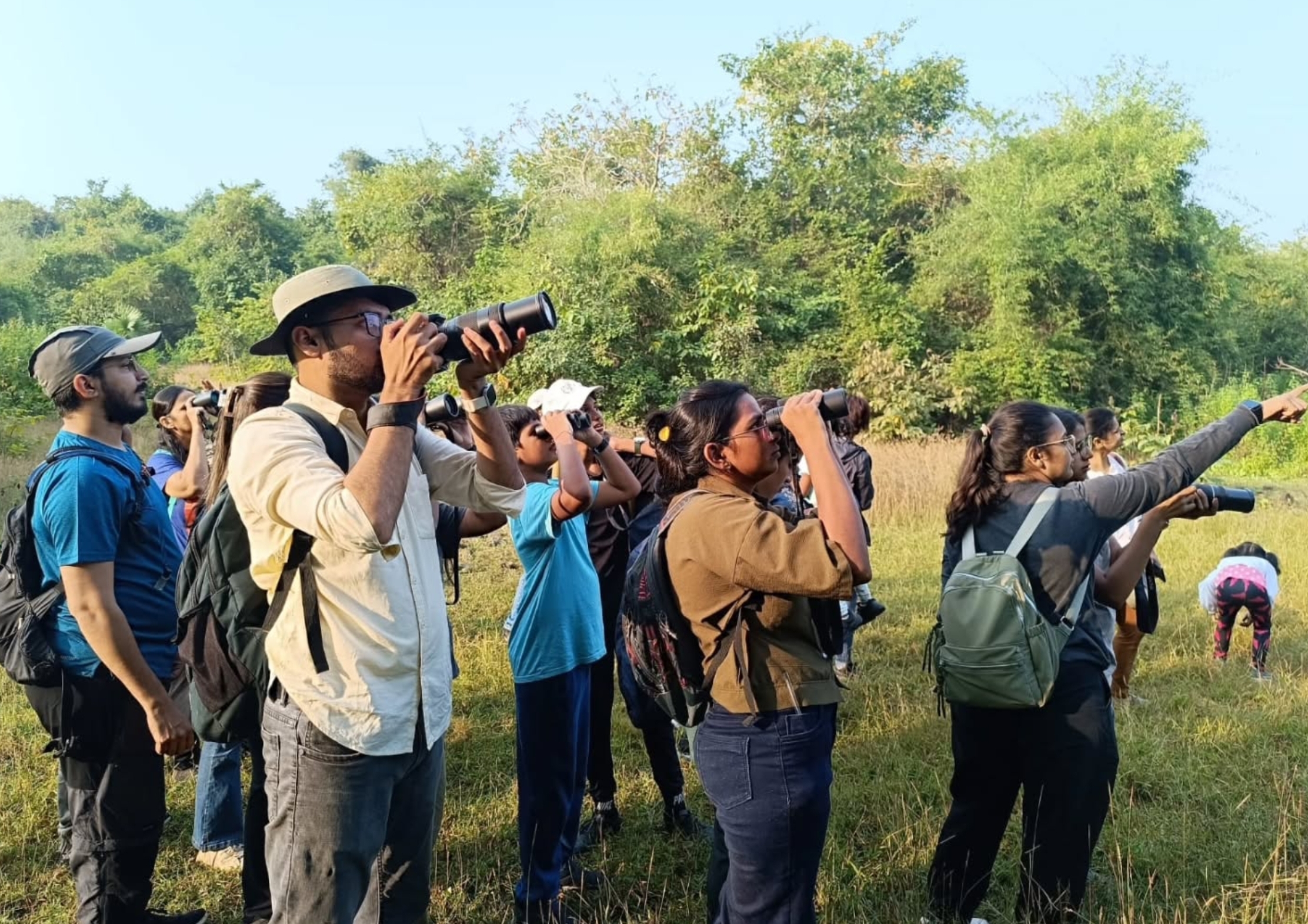
Explore the lush green trails, ancient caves, and wildlife safaris inside SGNP with expert guidance to make your visit both adventurous and educational.
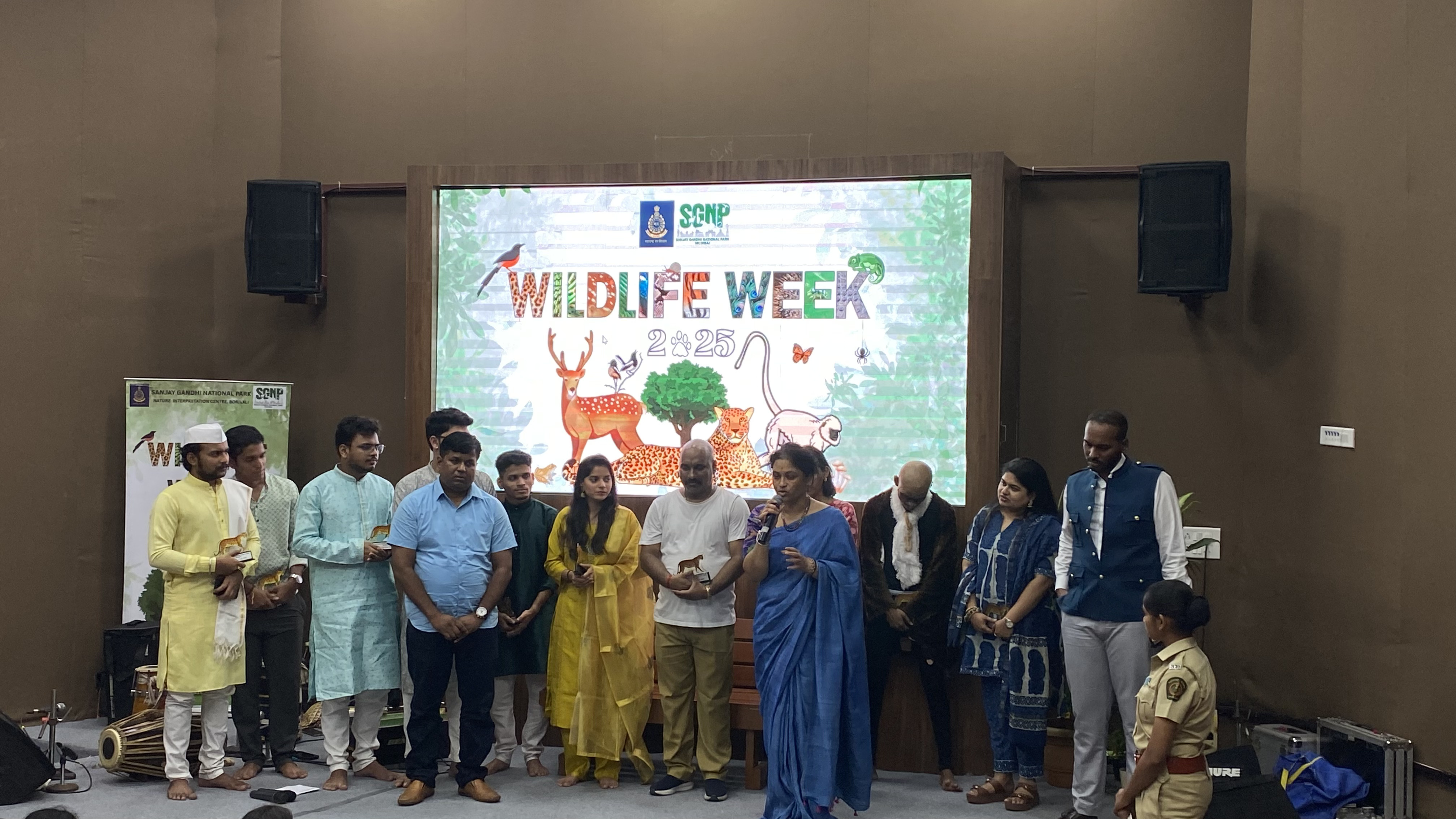
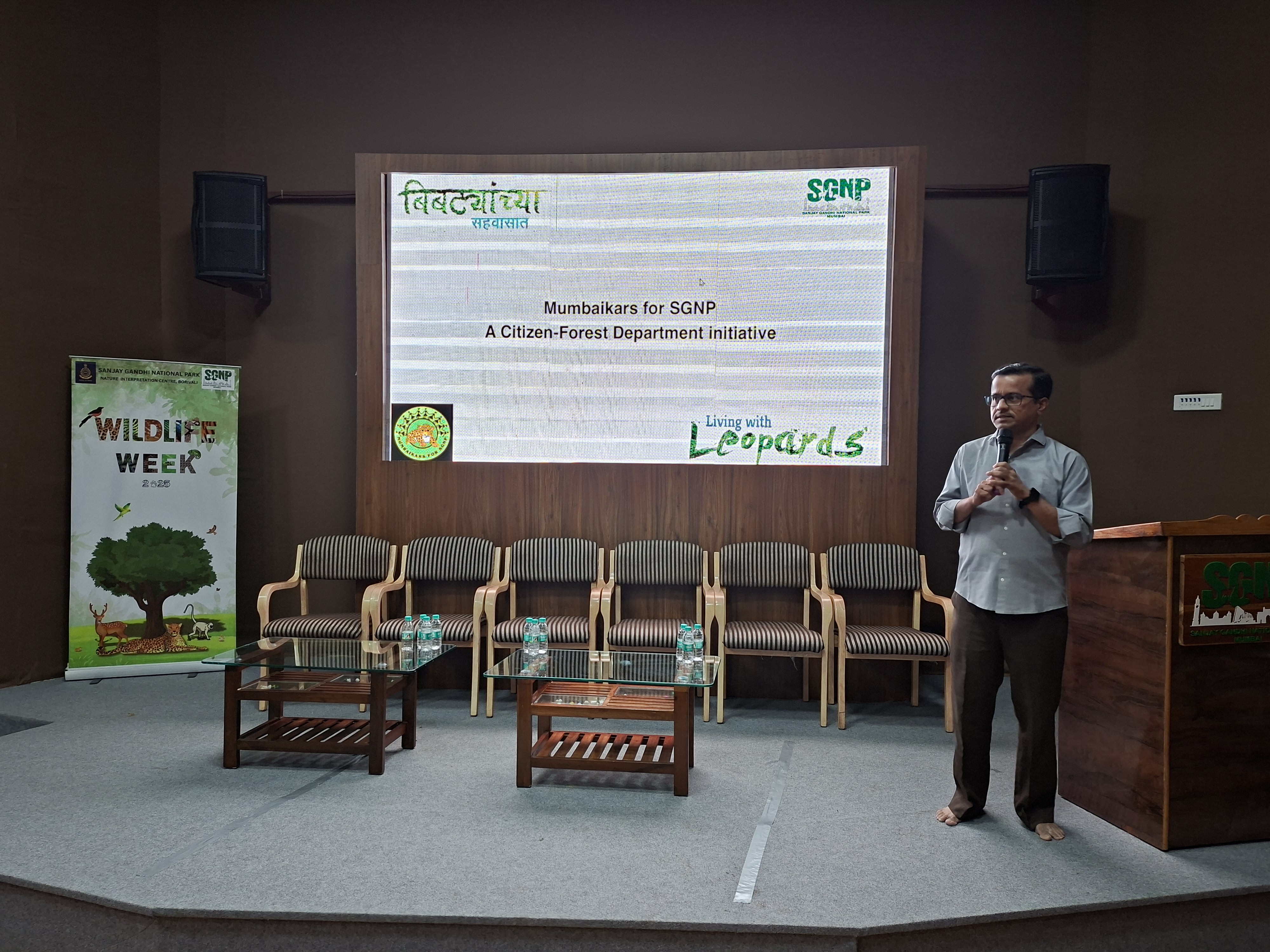
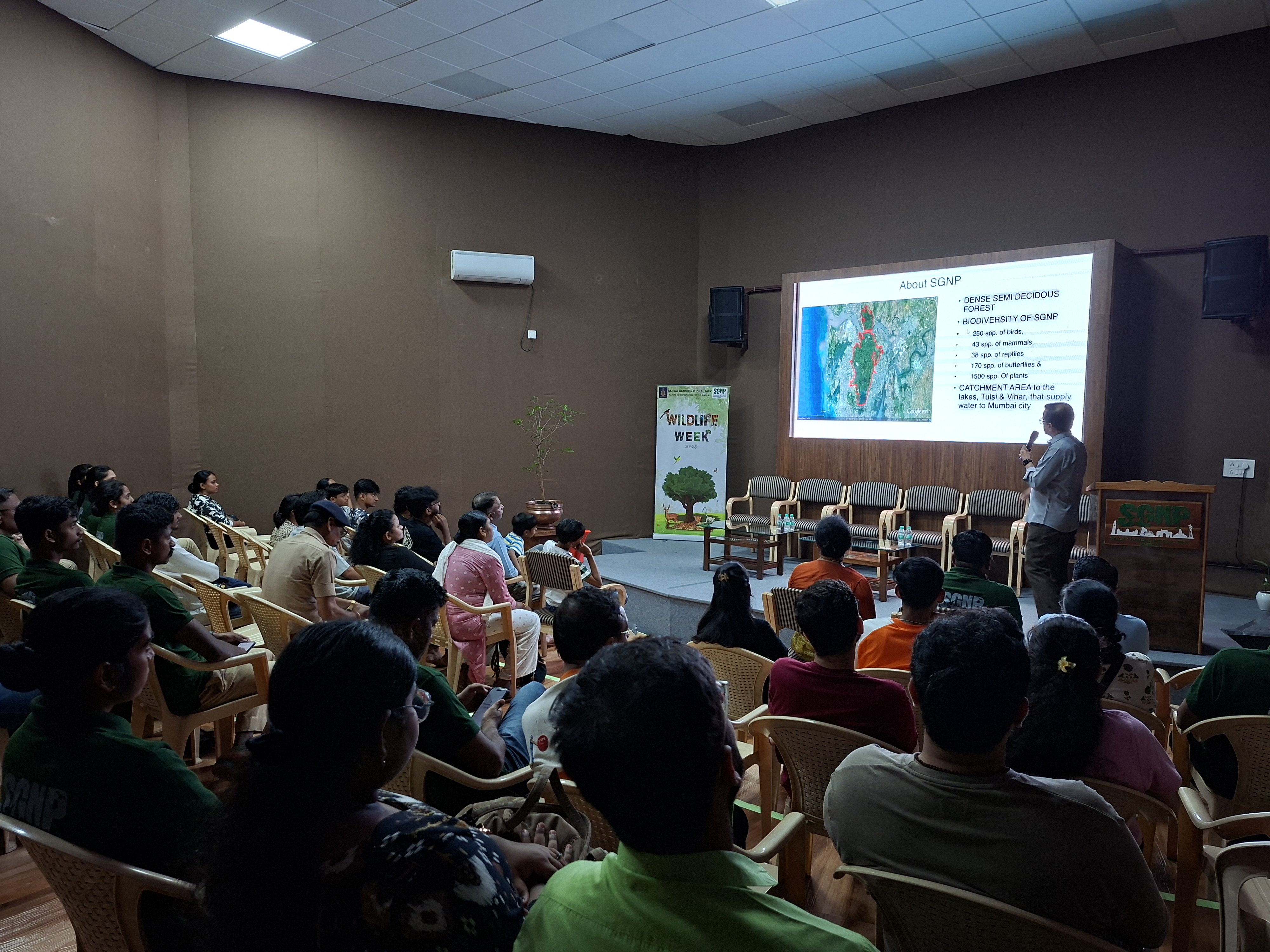
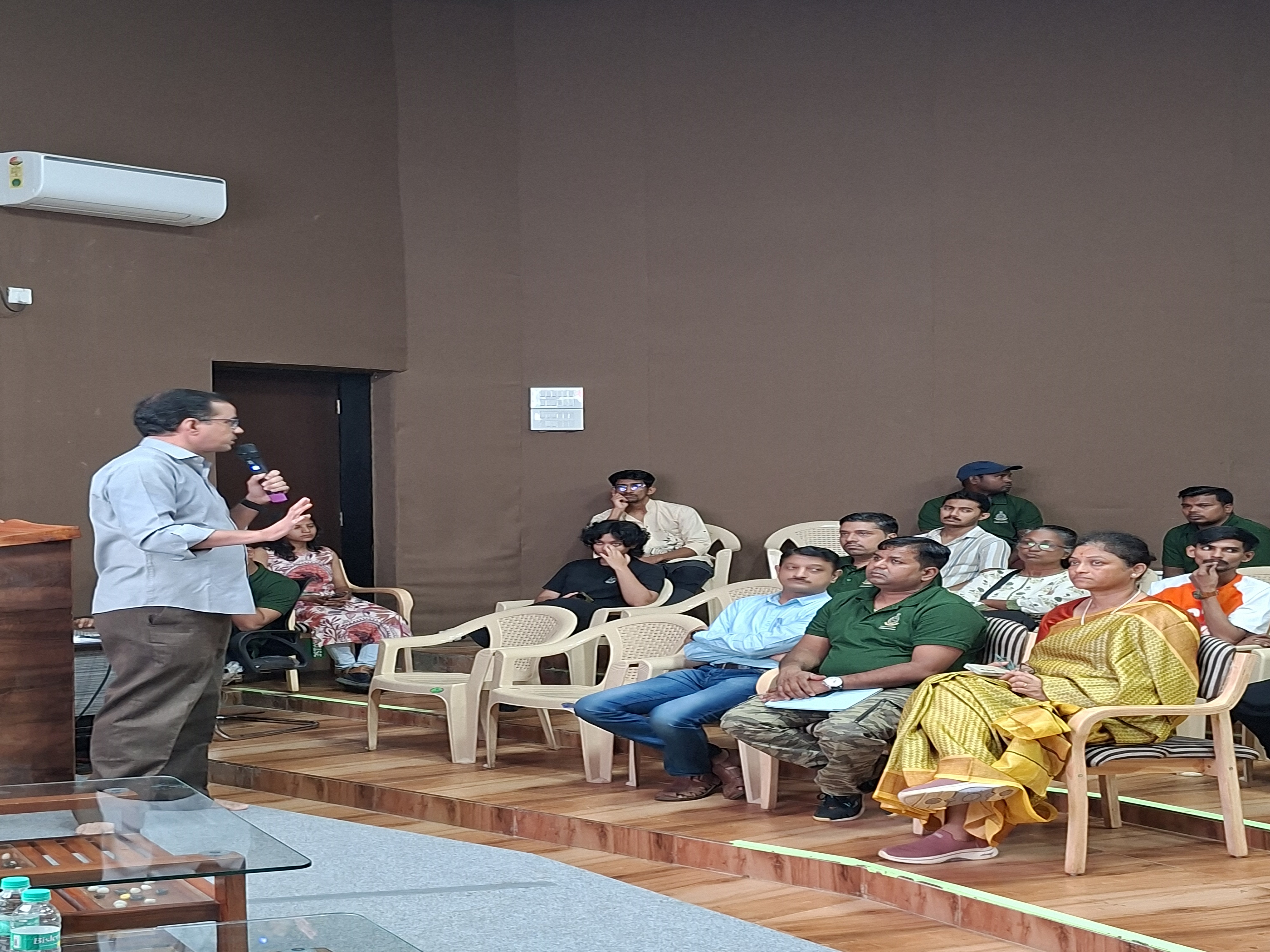
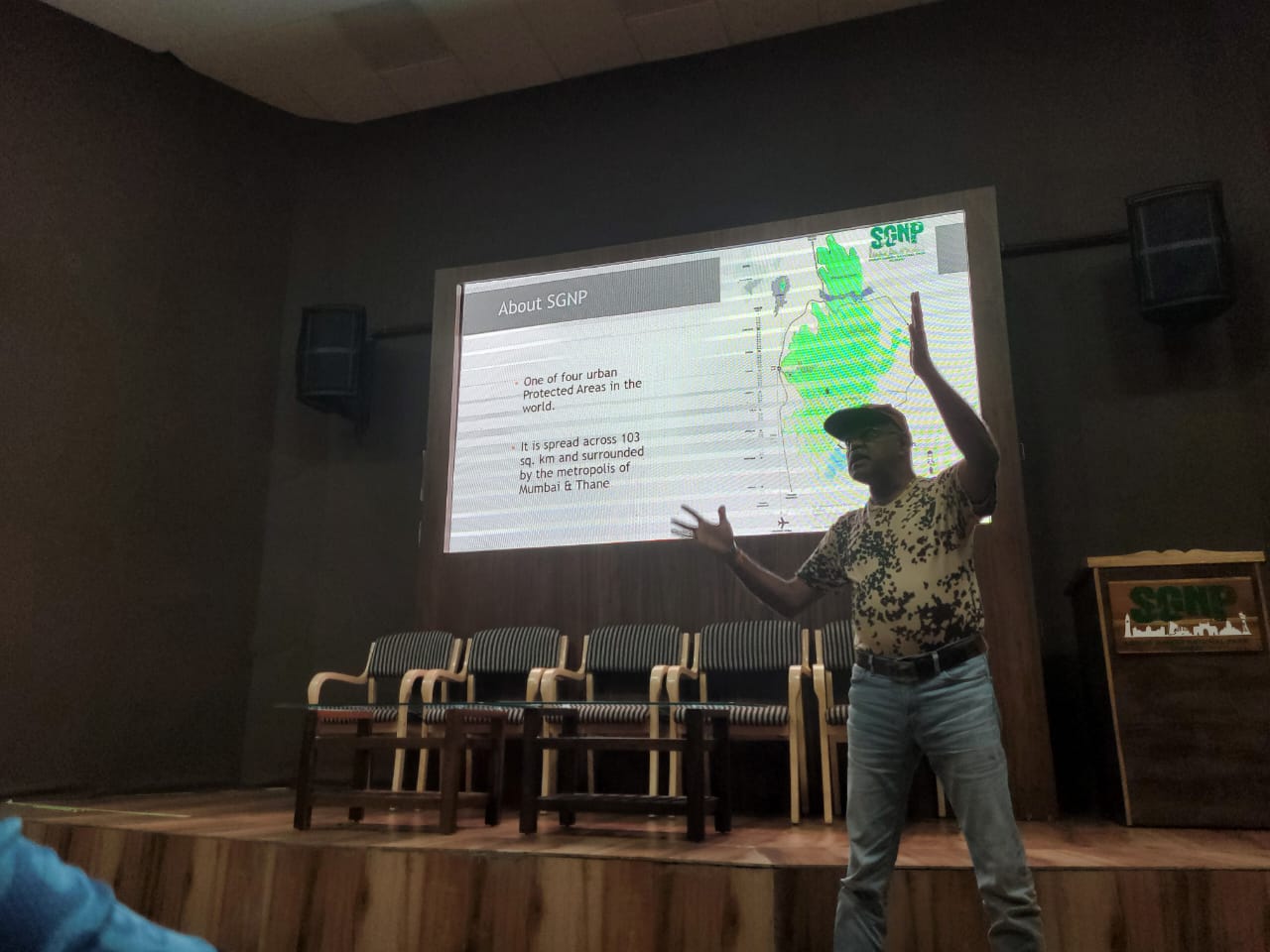
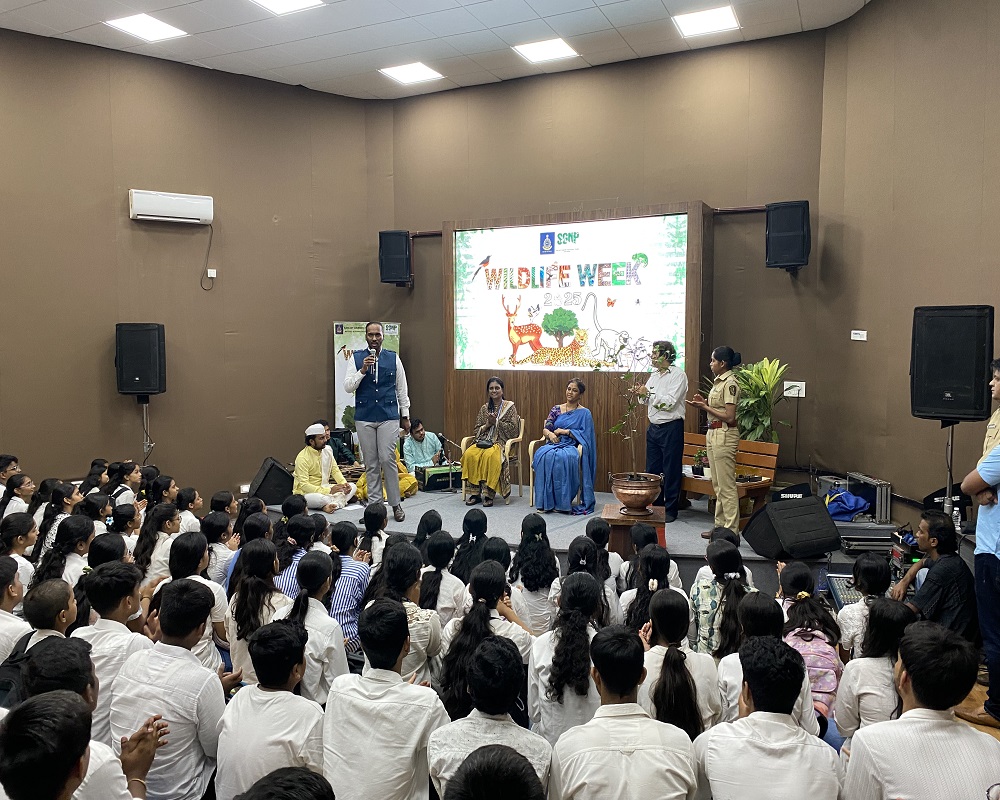
Join the annual Wildlife Week festivities at SGNP featuring nature trails, photography contests, awareness programs, and interactive sessions promoting wildlife conservation.
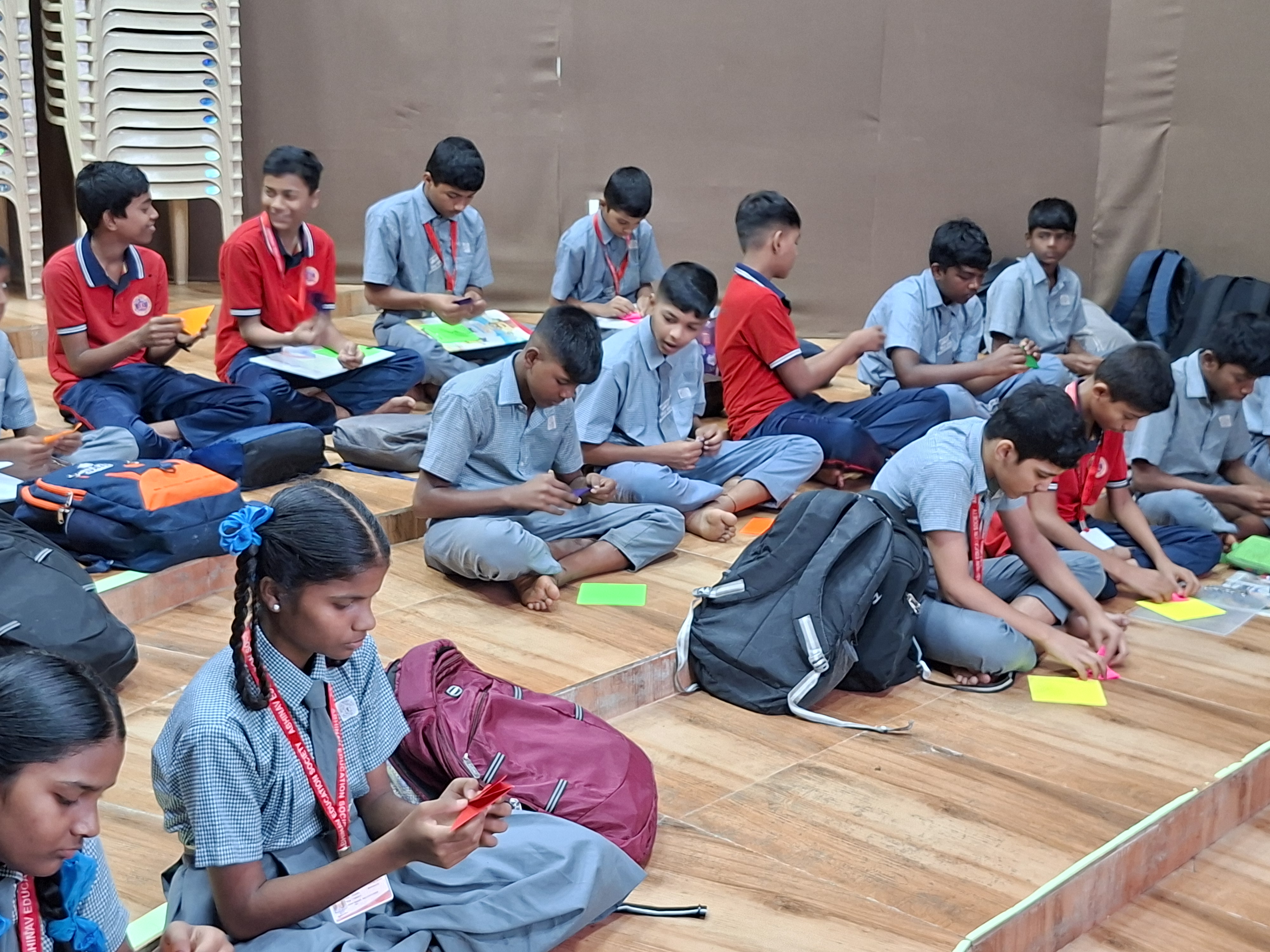
SGNP organizes engaging educational workshops for school students, focusing on wildlife awareness, biodiversity conservation, and hands-on learning through nature experiences.
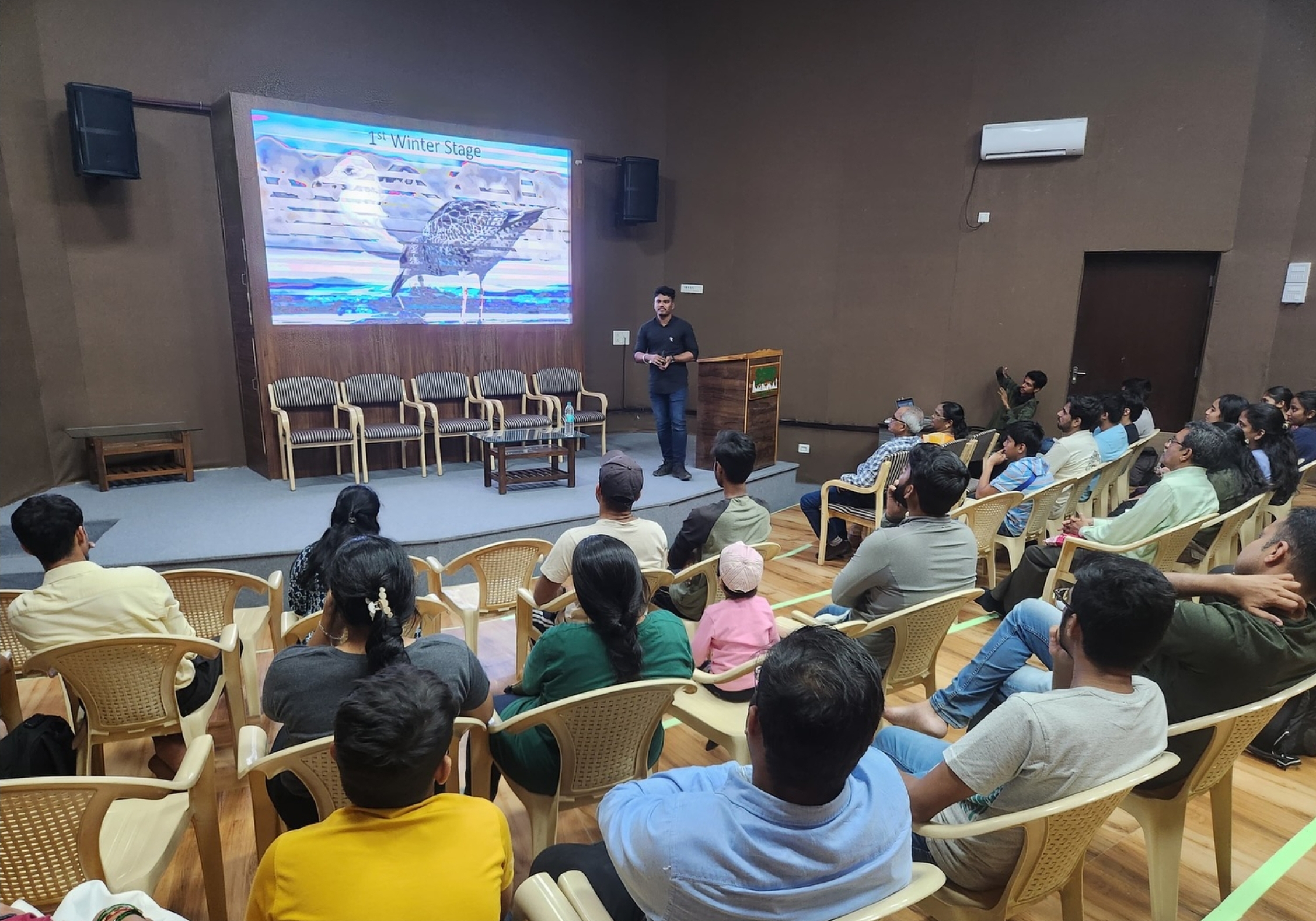
Experience the fascinating world of avian diversity through SGNP’s Bird Presentation — an interactive session showcasing native and migratory species, their habitats, and the importance of bird conservation.
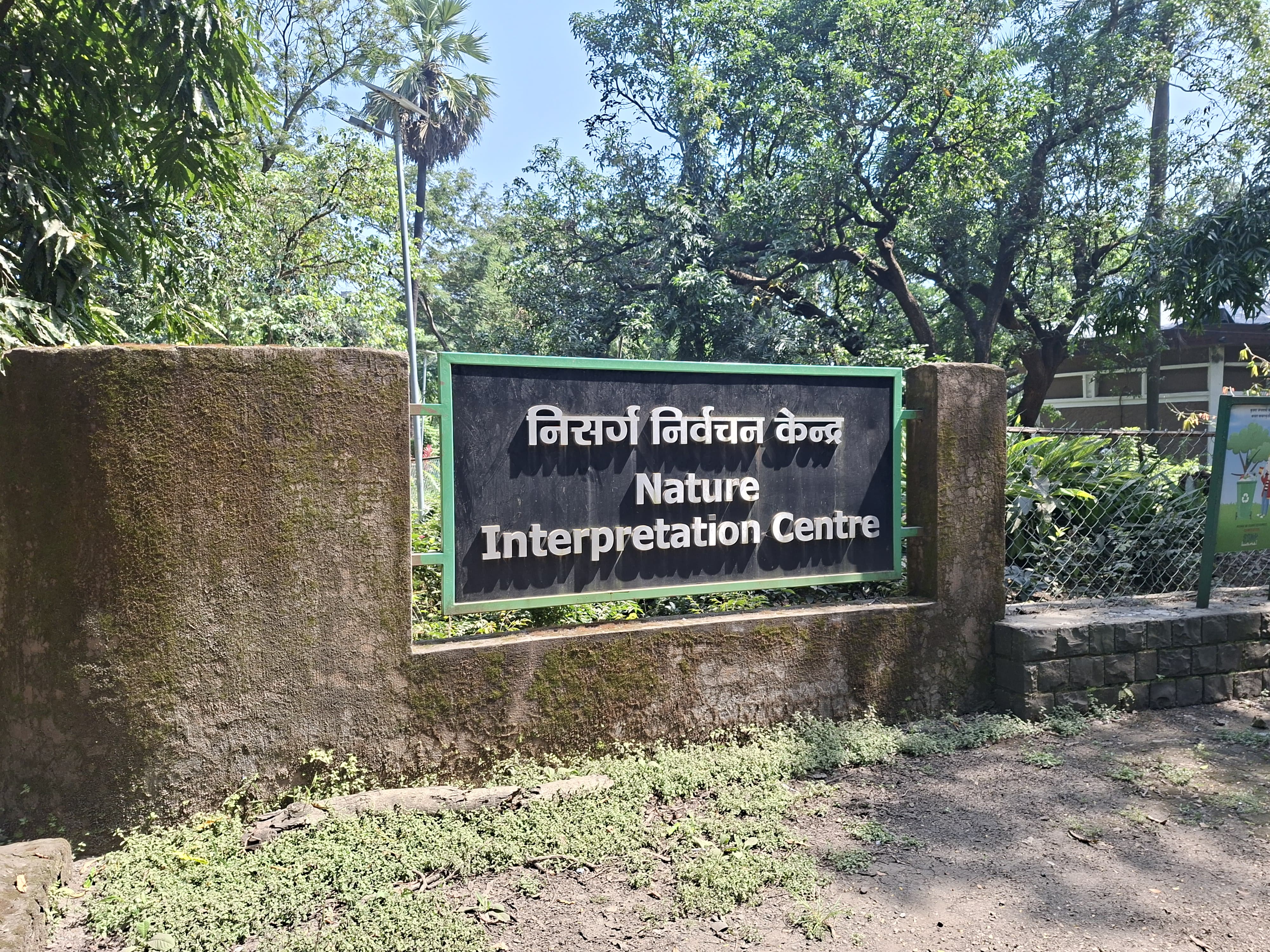
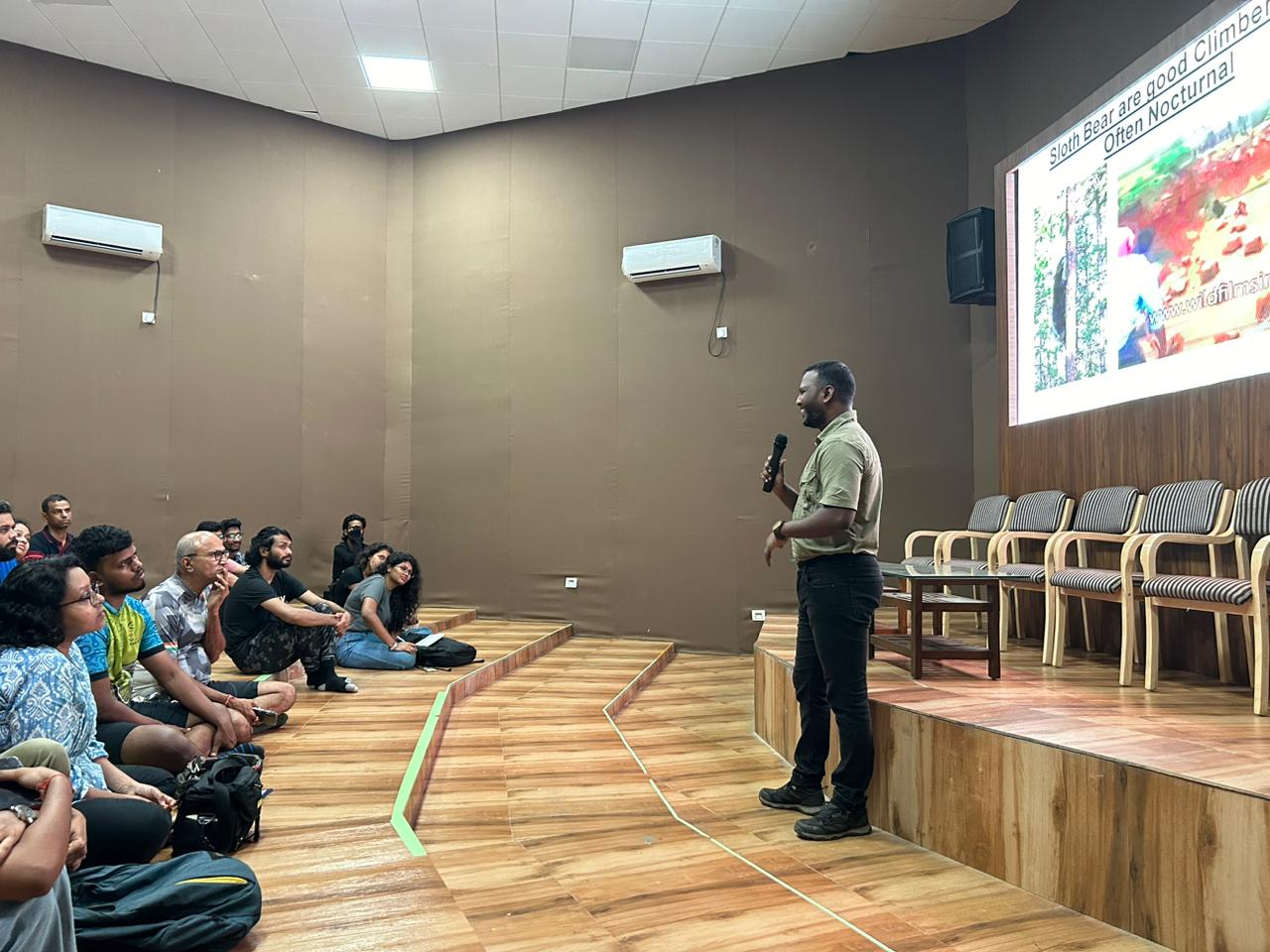
Explore the wide range of educational and recreational activities at NIC, SGNP — from interactive workshops, nature trails, and birdwatching sessions to awareness programs on wildlife conservation and eco-friendly practices.
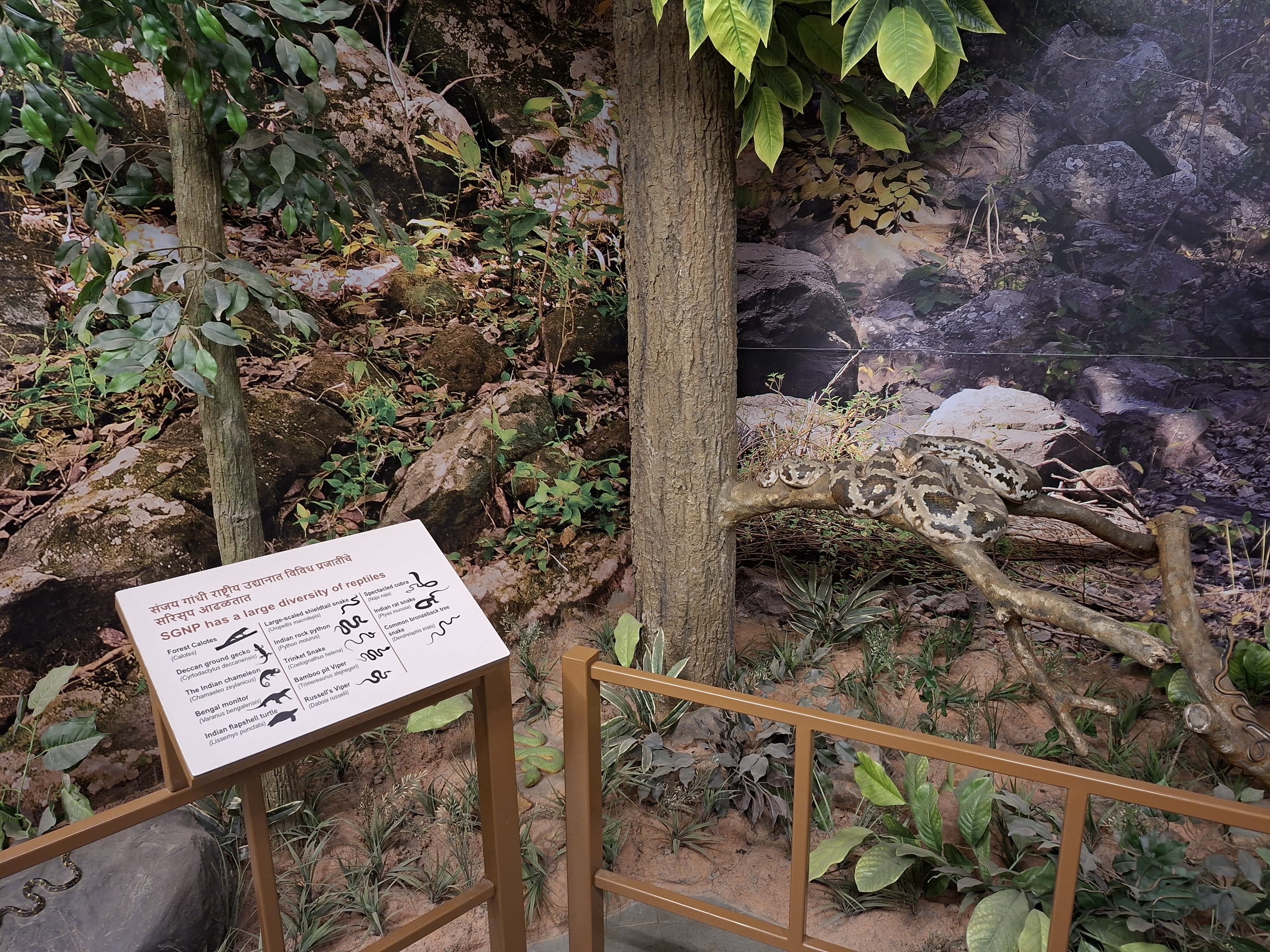
Explore the fascinating world of reptiles at SGNP, home to a variety of snakes, lizards, and turtles. Learn about their habitats, behaviors, and the importance of reptile conservation through guided tours and interactive displays.
Make a temporary section under NIC and named as Wildlife Care & Conservation Facilities
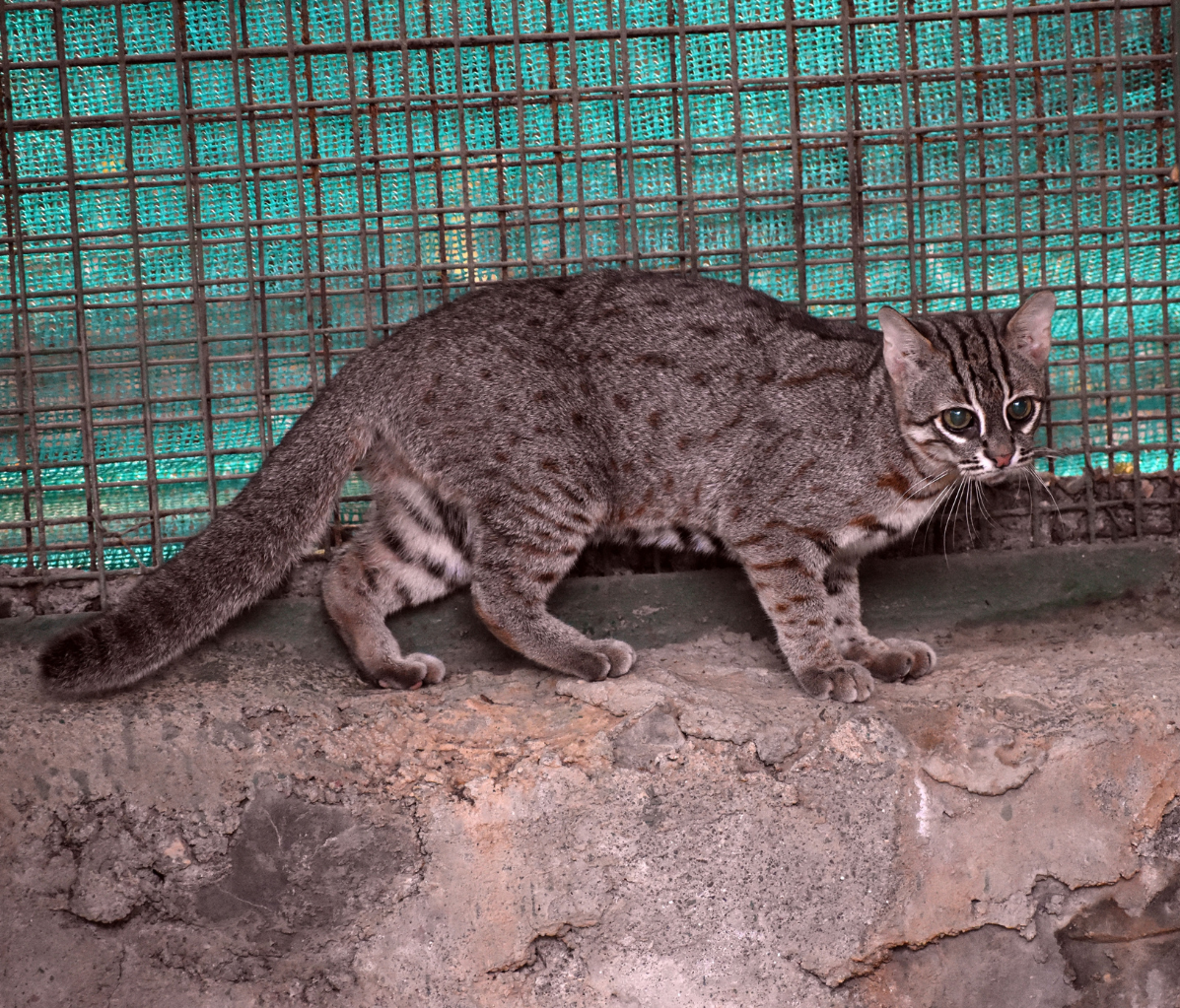
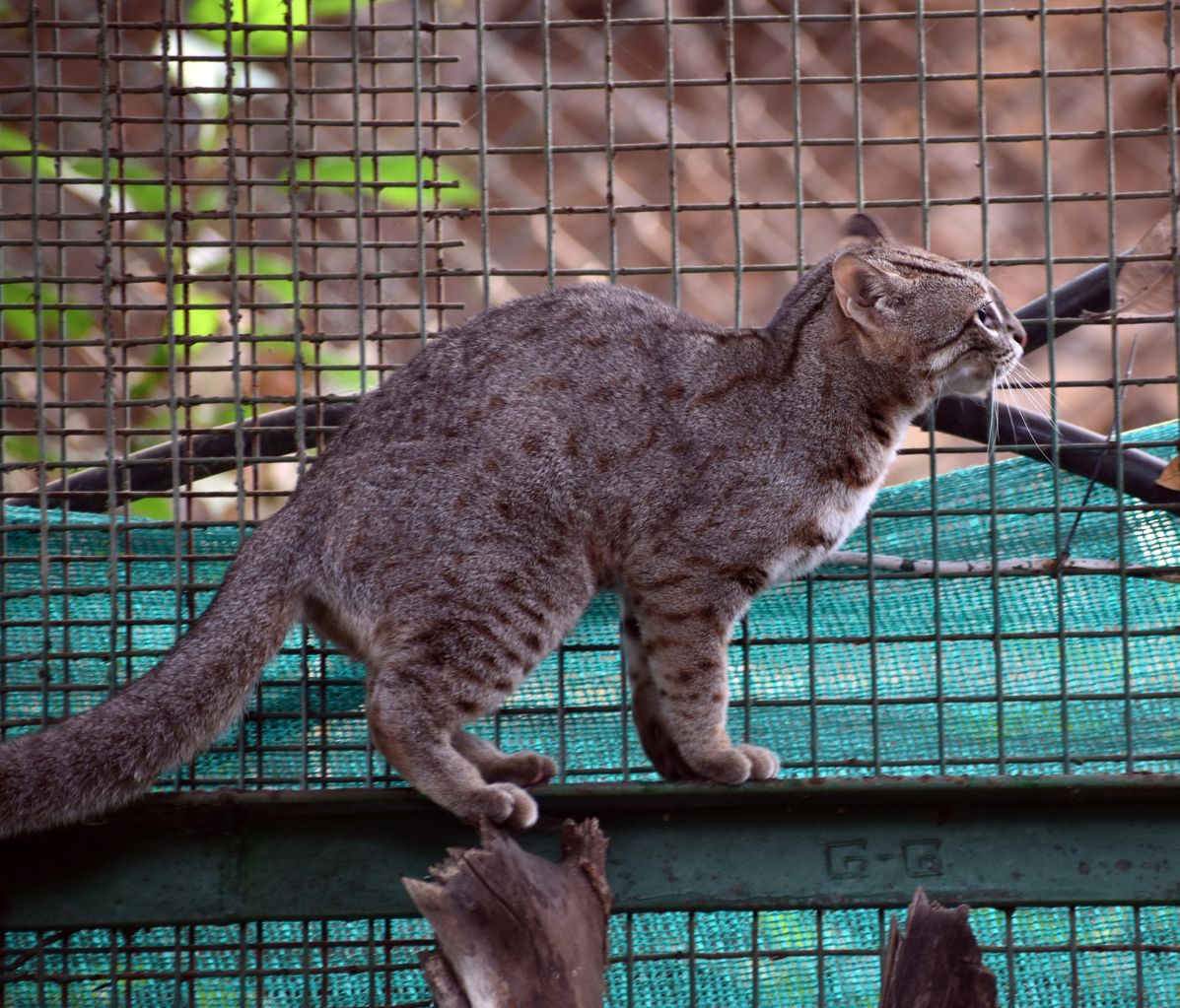
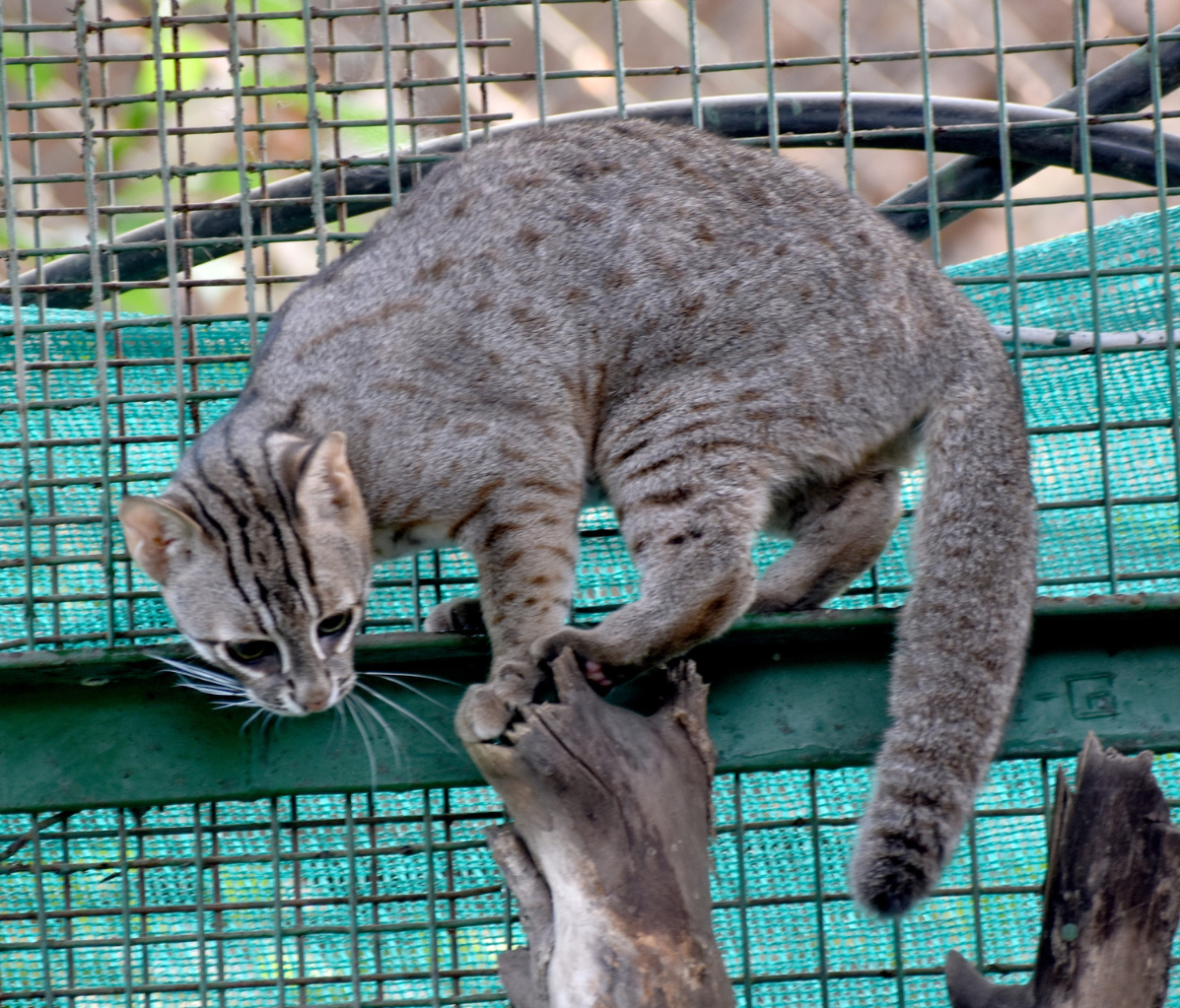
Protecting the wild with care and compassion, Sanjay Gandhi National Park is not only a national park for wildlife but also a centre for conservation, rescue, and rehabilitation. The park has specialized facilities dedicated to the care, protection, and conservation of wildlife. The SGNP’s wildlife hospital, Rusty-Spotted Cat breeding centre, leopard rescue centre, and animal adoption programs give rescued animals a second chance at life while strengthening conservation for the future.
Sanjay Gandhi National Park operates a dedicated rescue and rehabilitation centre that plays a crucial role in treating, caring for, and rehabilitating wild animals that are injured, orphaned, or involved in human–wildlife conflict situations. The park’s Leopard Rescue and Rehabilitation Centre receives leopards that are injured, displaced, orphaned, or affected by conflict with humans. These animals are provided with professional veterinary care, medical treatment, and rehabilitation. A recent initiative includes the planning of a leopard safari area within SGNP, where visitors will be able to observe rescued leopards in a large, naturalistic habitat. This initiative will also help raise public awareness about leopard behaviour and wildlife conservation.
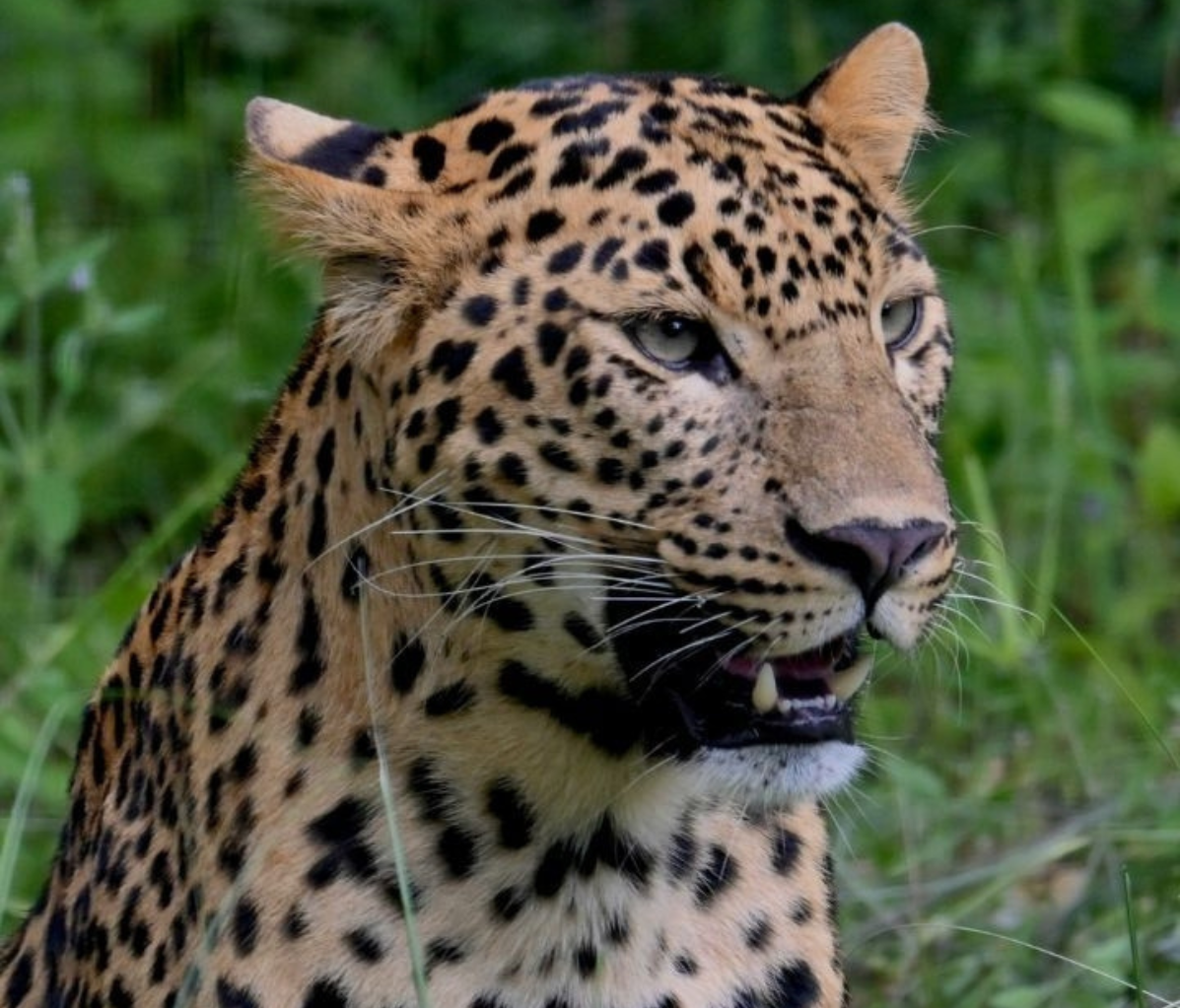
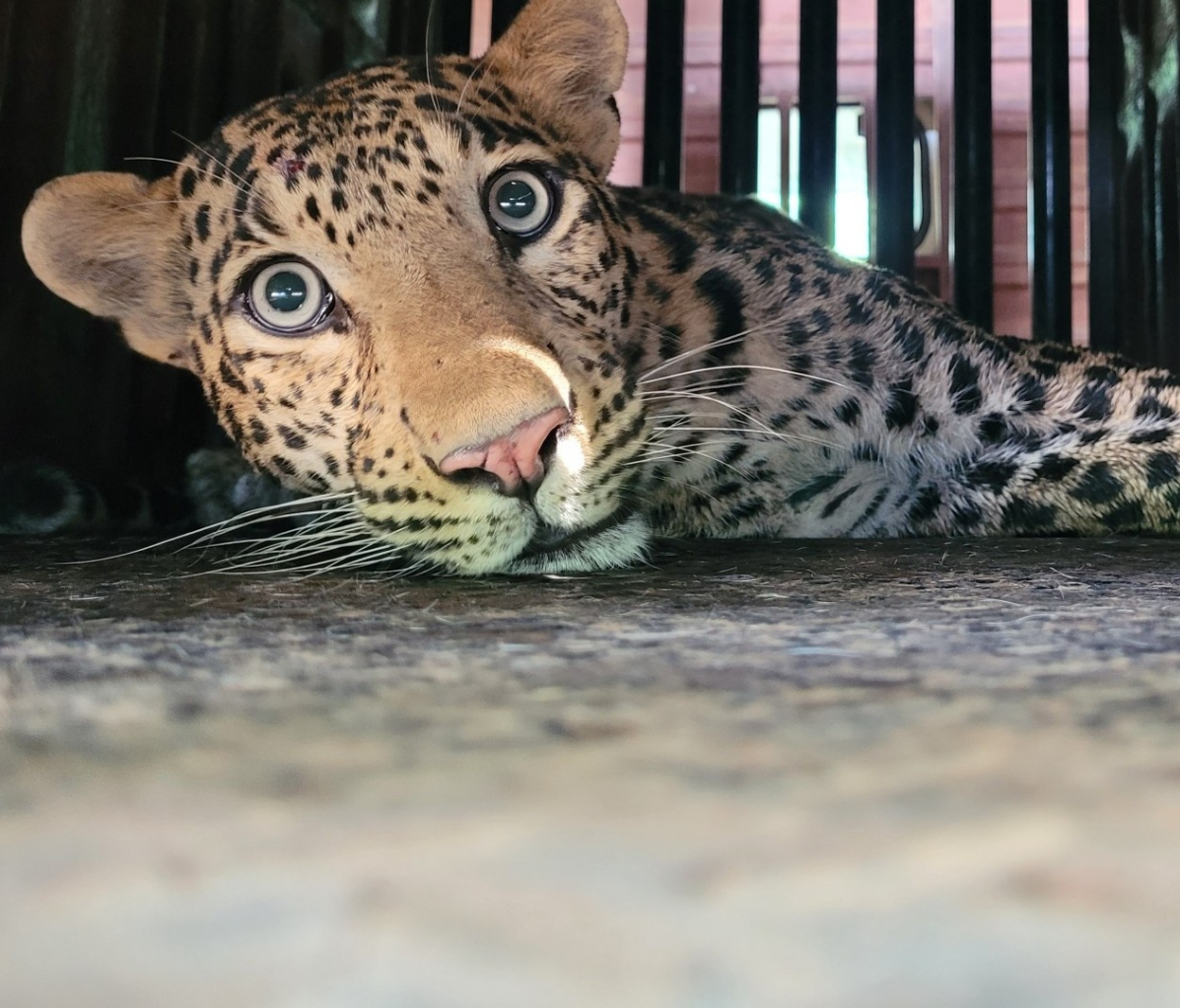
Purpose: Rescue, treatment, and rehabilitation of leopards rescued from conflict zones or injuries.
Highlights: Veterinary care, temporary shelter, monitoring before release.
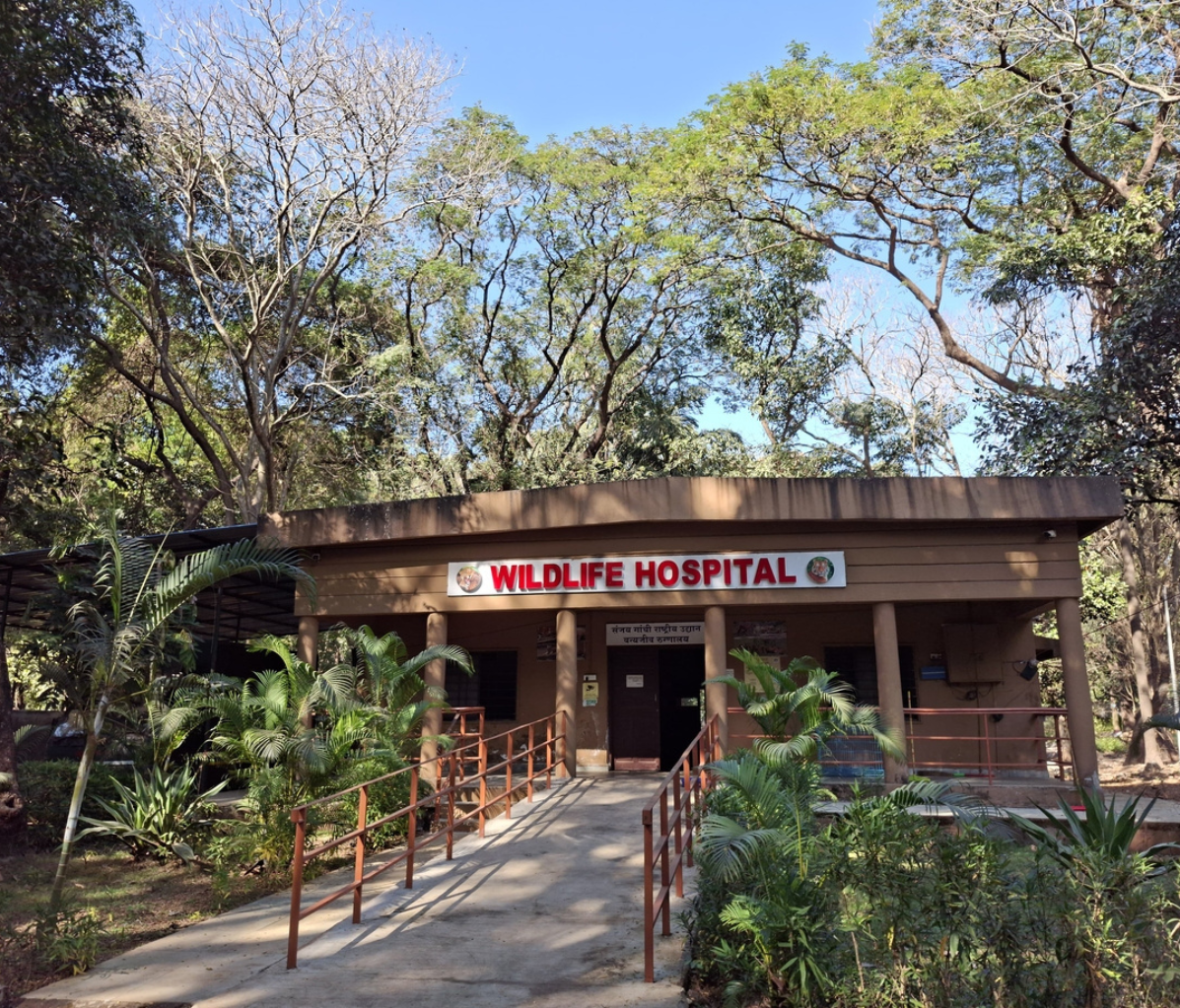
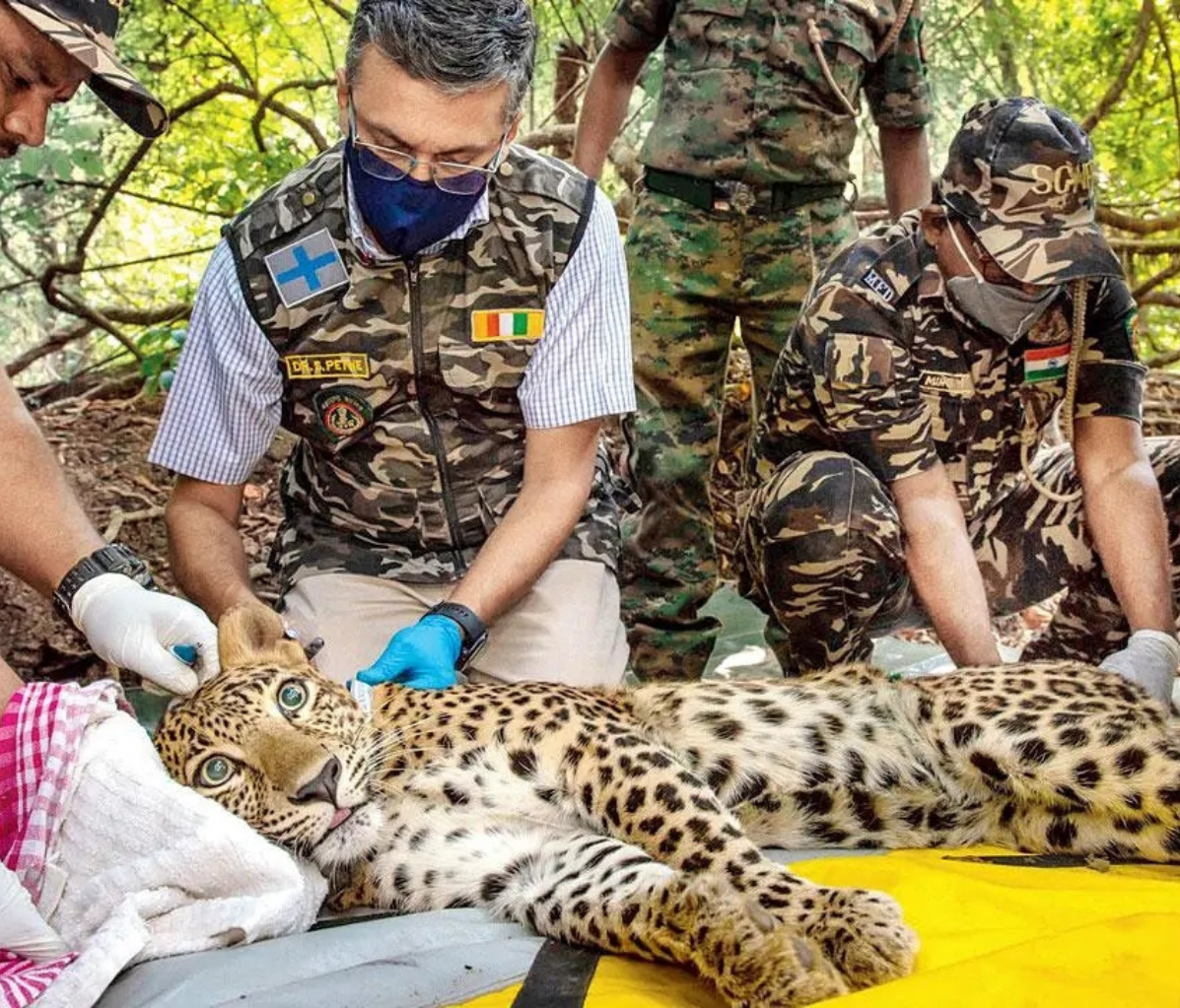
The Wildlife Hospital at Sanjay Gandhi National Park (SGNP) provides essential rescue, treatment, and rehabilitation services for injured, sick, and orphaned wild animals from the park and surrounding urban areas. It functions as an emergency response centre, especially for cases arising from human–wildlife conflict, and is managed by trained wildlife veterinarians and forest staff. The hospital treats a wide range of mammals, birds, and reptiles and is equipped with treatment and examination rooms, surgical facilities, recovery enclosures, and quarantine areas to ensure proper medical care and rehabilitation. After recovery, animals are released back into their natural habitat as per wildlife protocols, supporting conservation efforts in this urban forest landscape.
Purpose: Medical treatment for injured, sick, or rescued wild animals.
Highlights: Emergency care, surgeries, expert veterinary staff.
The Rusty-spotted Cat is one of the world’s smallest and rarest wild felines. Endemic to Asia,
this elusive species is found only in India, Sri Lanka, and Nepal, inhabiting dry deciduous
forests, scrublands, and grasslands.
Known for its distinctive reddish-grey coat with rusty spots on the back and flanks, the Rustyspotted Cat is remarkable for its small size, speed, and agility. These traits have earned it the
nickname “the hummingbird of the cat family.” Primarily nocturnal, the species is largely
terrestrial but also shows strong arboreal tendencies. Despite its adaptability, the Rusty-spotted Cat faces serious threats due to habitat loss and
the decline of deciduous forests. As a result, it was listed as Near Threatened on the IUCN
Red List in 2016.
Conserving this species is important, as it plays a vital role in controlling
populations of small vertebrates and maintaining ecological balance.
To support the conservation of this rare feline, Sanjay Gandhi National Park (SGNP) has
established India’s only dedicated Rusty-spotted Cat breeding centre. The centre focuses on
studying the species’ behaviour, genetics, and ecology, generating crucial data for long-term
conservation. This initiative highlights SGNP’s strong commitment to biodiversity
conservation and the protection of endangered wildlife.
Purpose: Conservation breeding of one of the world’s smallest wild cats.
Highlights: Species preservation, scientific breeding programs.
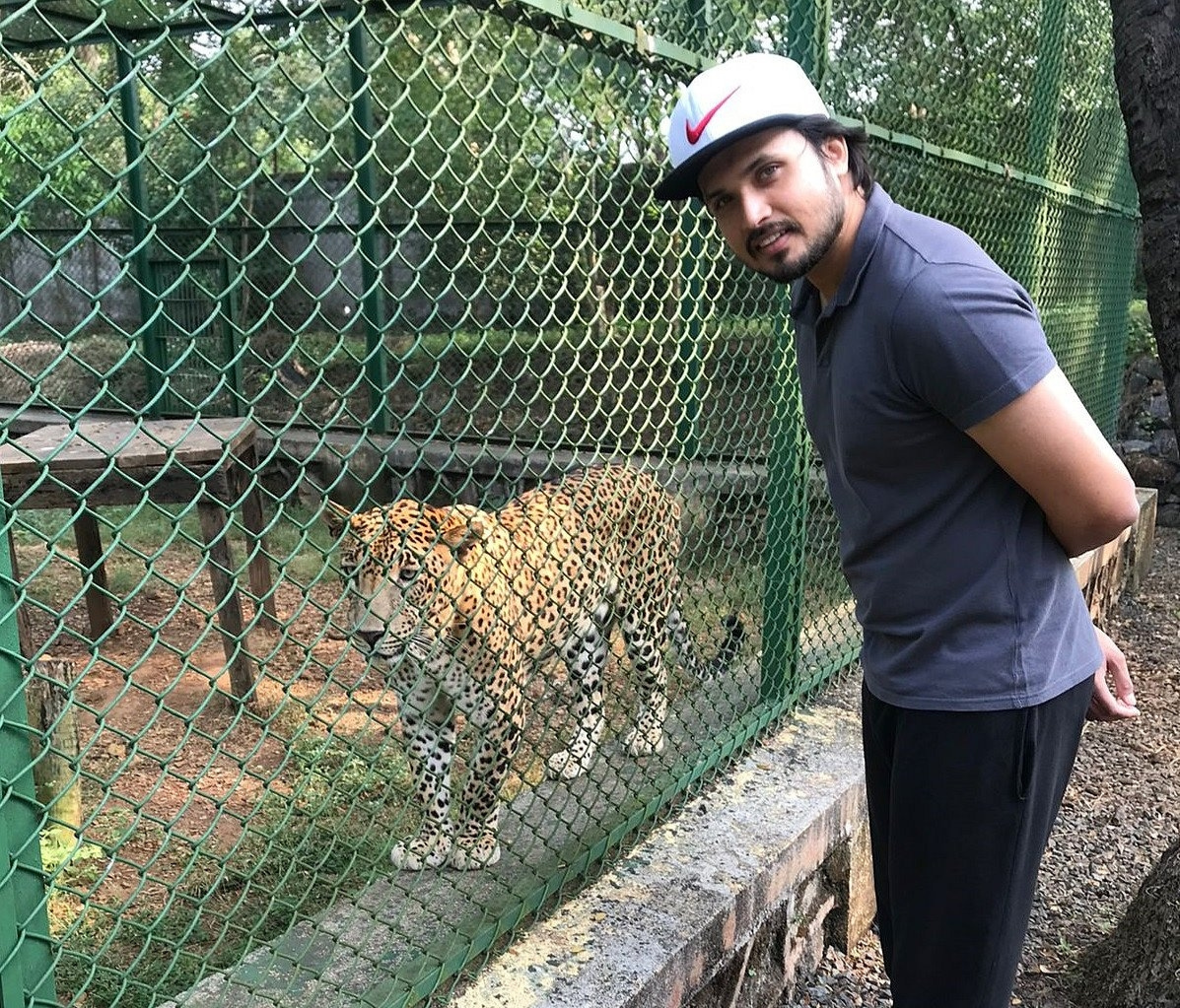
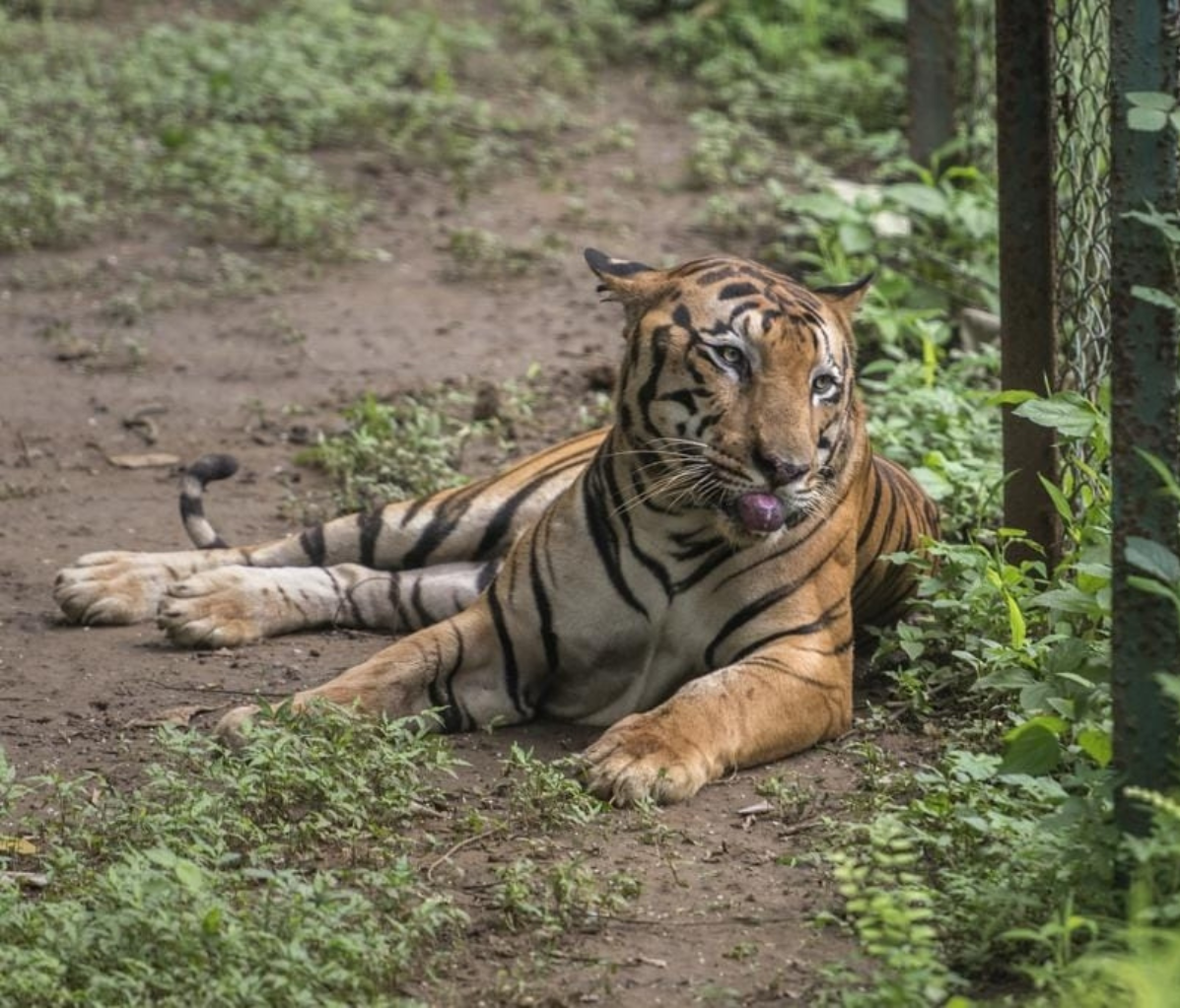
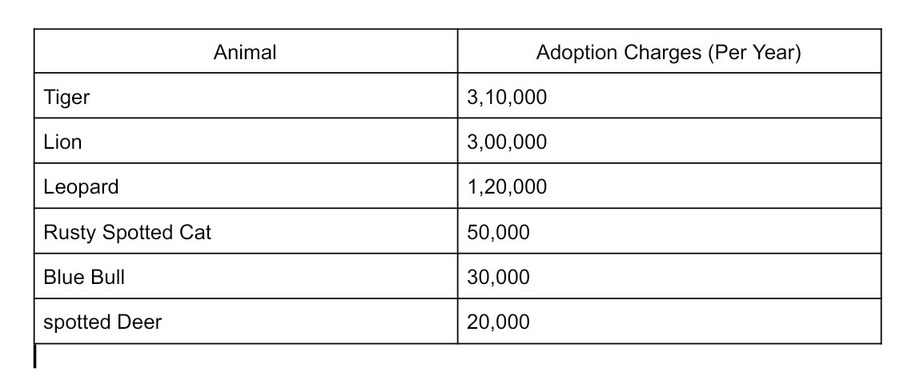
Sanjay Gandhi National Park (SGNP) offers a Wild Animal Adoption Programme that allows
individuals, schools, institutions, and organizations to contribute directly to wildlife
conservation. Through this programme, adopters symbolically adopt an animal housed or
protected within the park by supporting its food, medical care, and overall upkeep.
The adoption is purely symbolic and does not involve ownership or physical contact with the
animal. Adopters receive an adoption certificate from SGNP,and the contribution helps the park manage animal care, rescue, rehabilitation, and conservation activities. A variety of
animals, such as herbivores, Carnivore, and other wildlife, are available for adoption for a
fixed period, usually one year.
This initiative encourages public participation in conservation, creates awareness about wildlife protection, and supports SGNP’s efforts to preserve biodiversity in an urban forest ecosystem.
Purpose: Allows visitors and wildlife lovers to symbolically adopt animals and support their care.
Highlights: Conservation support, public involvement, education.
For inquiries about visits, trails, workshops, or programs at the Nature Interpretation Centre (NIC), contact the Nature Education and Extension Officer at Sanjay Gandhi National Park (SGNP).
Nature Education & Extension Officer, Borivali
Email: natureinformationcentresgnp@gmail.com
Mobile: 86552 02903
Nature Education & Extension Officer, Yeur & Tungareshwar
Email: sgnp.nic.yeur@gmail.com
Mobile: +91 93256 93451
Nature Education & Extension Officer
Conservator of Forests & Director Office, Borivali
Email: natureinformationcentresgnp@gmail.com
Mobile: +91 86550 35748
Help us improve the SGNP experience 🌿