







Bio-diversity Flora
Explore the lush greenery of Sanjay Gandhi National Park, home to over 1,300 plant species.
From tall teak trees to rare herbs, its rich flora supports a thriving ecosystem.
A peaceful green escape in the heart of Mumbai.
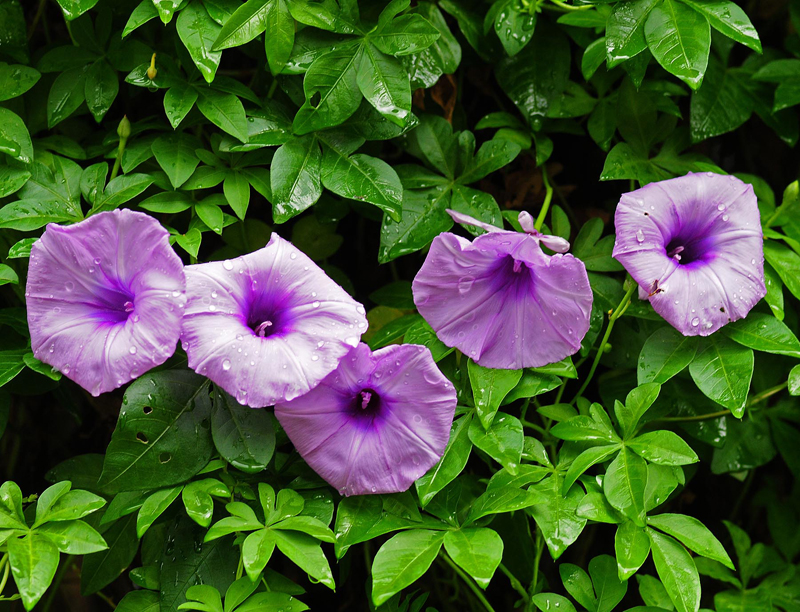
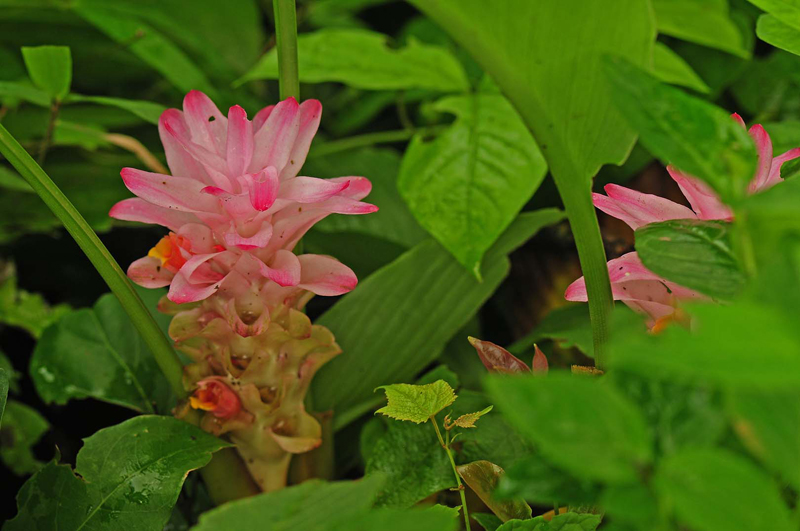
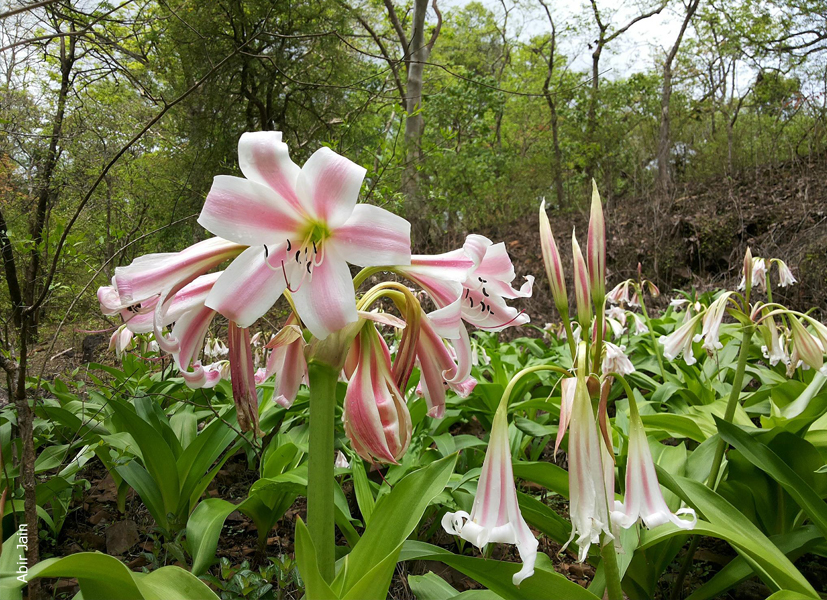
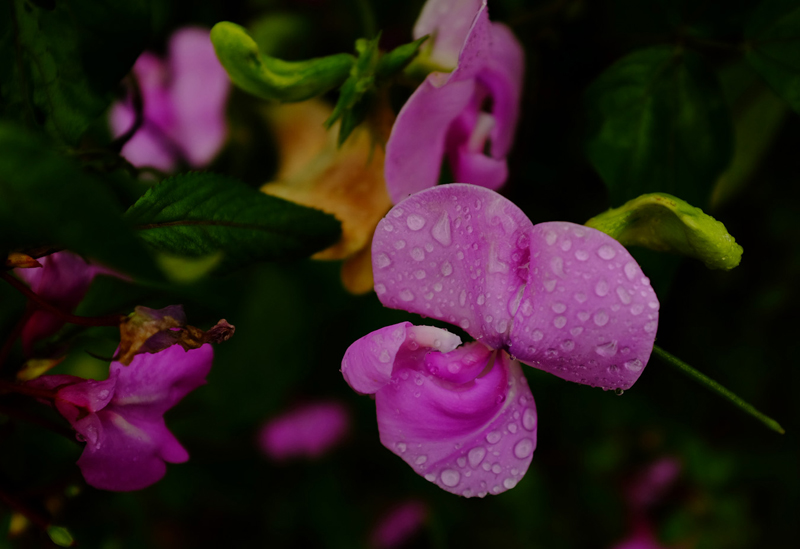
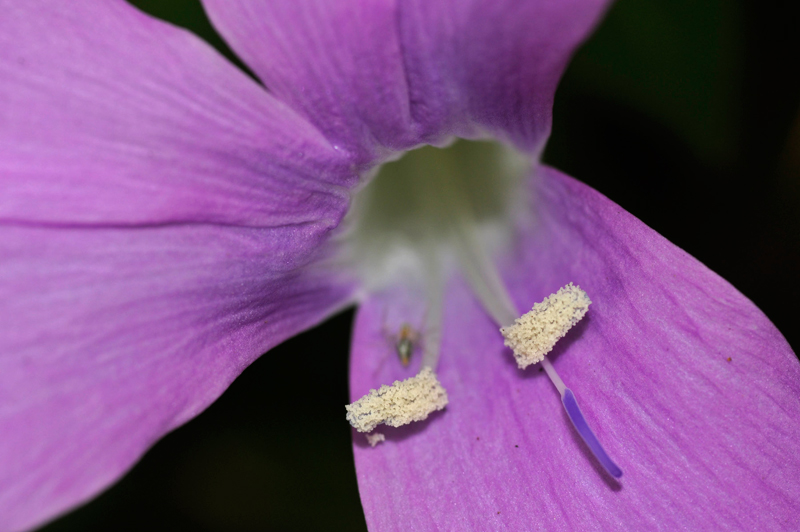
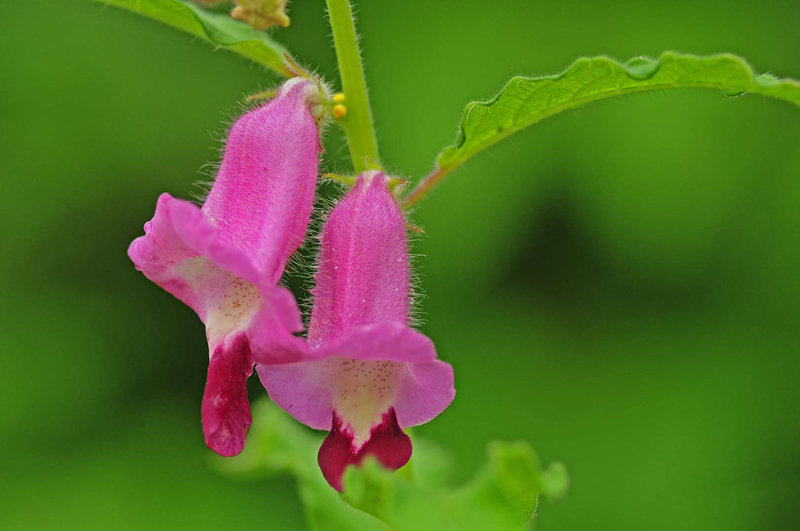
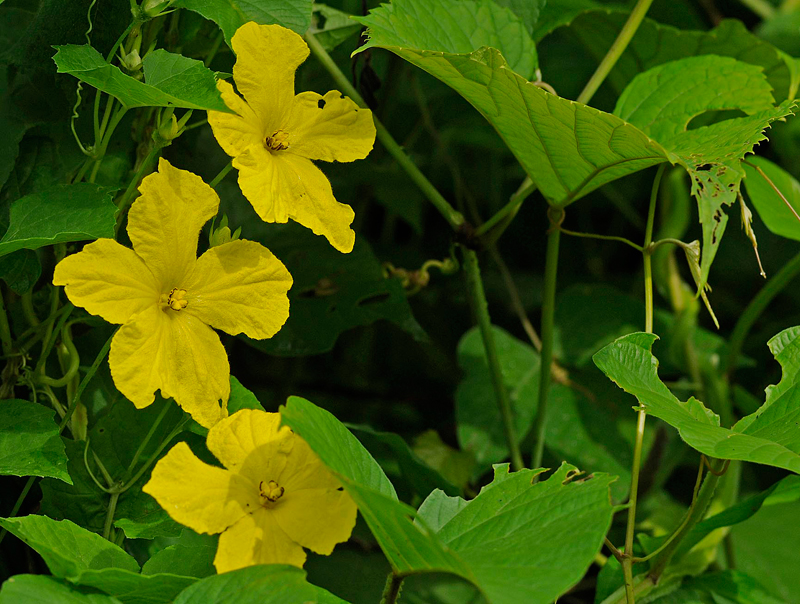
SGNP’s biodiversity is shaped by the Sahyadri Hills and human influence over time. The forest habitat dominates, hosting an estimated 1300+ species of flowering plants.
The forest type is largely southern mixed-deciduous, with species such as Tectona, Albizzia, Terminalia, Ficus, Madhuca, and Bamboo.
Upper slopes and narrow valleys feature semi-evergreen and evergreen patches — including the rare and lush Asoca (Saraca asoca), providing deep contrast to the deciduous backdrop.
Bamboo is widespread, especially in the lowlands. The undergrowth is dominated by Karvi (Strobilanthes), which blooms magnificently once every seven years.
Listen for the songs of the Malabar whistling-thrush and the fluty call of the Brown-cheeked Fulvetta as you explore this thriving ecosystem.
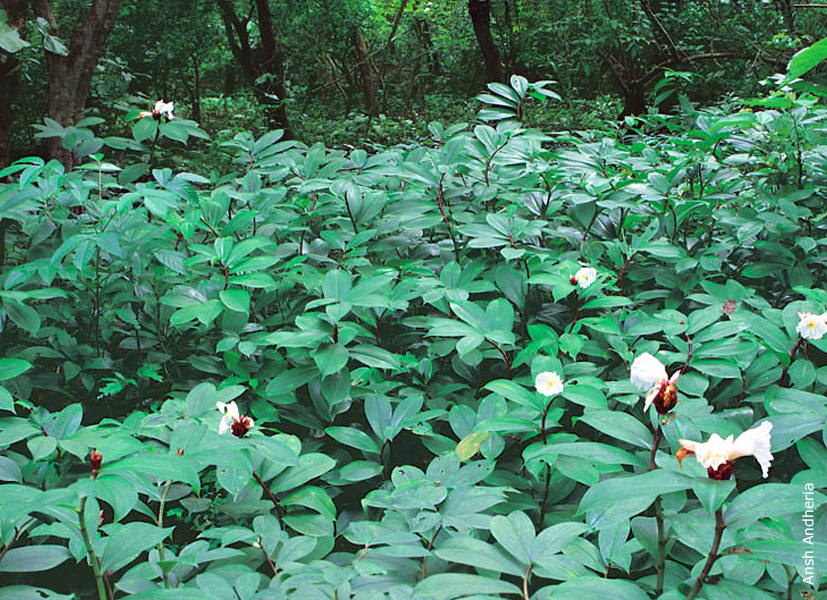
Costus
| SGNP Flora
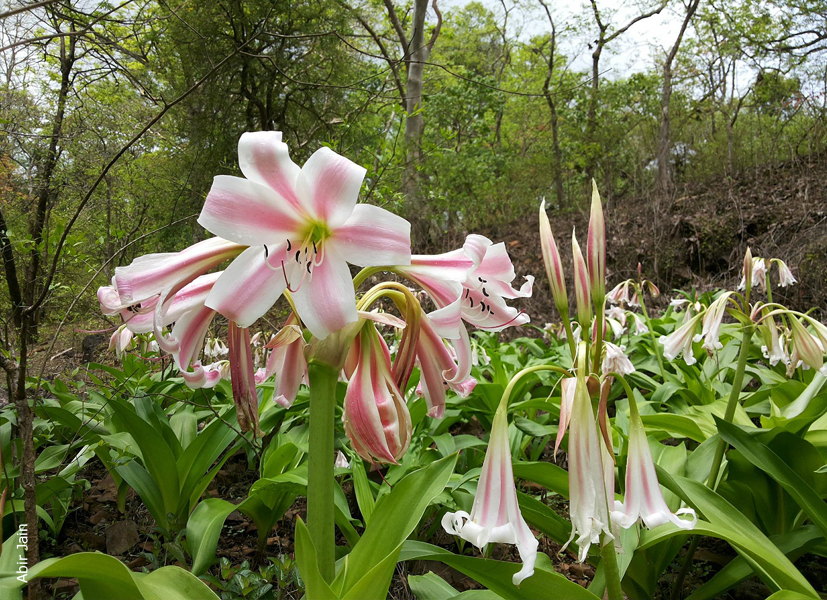
Crinum
| SGNP Flora
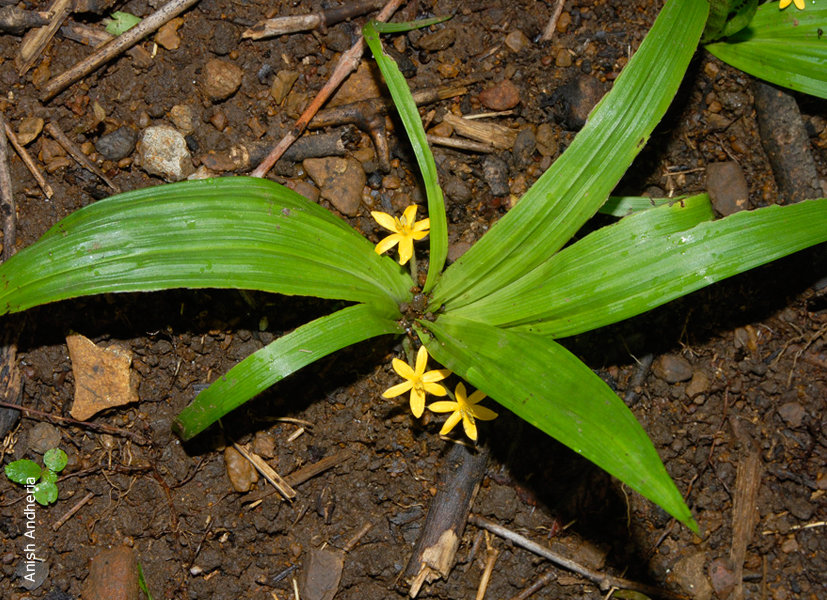
Curculigo Orchioides
| SGNP Flora
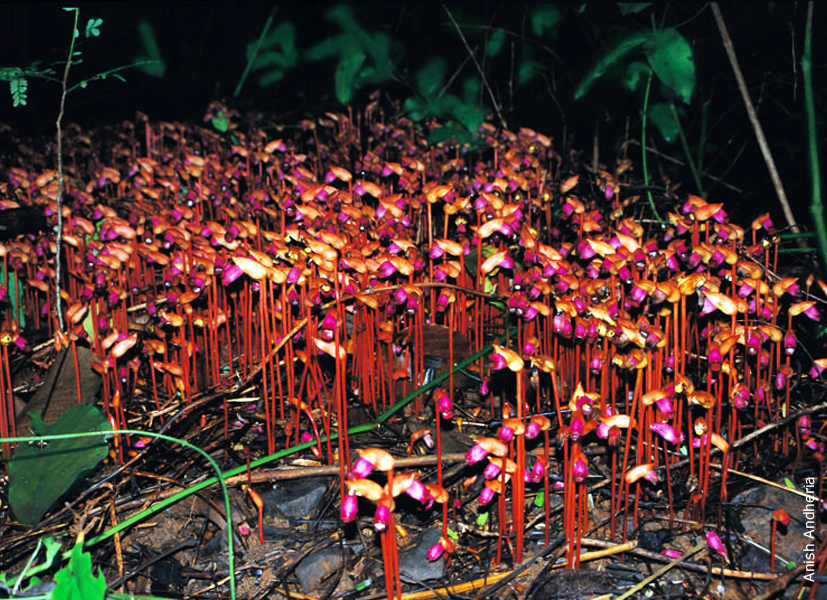
Forest Ghost Flower
| SGNP Flora
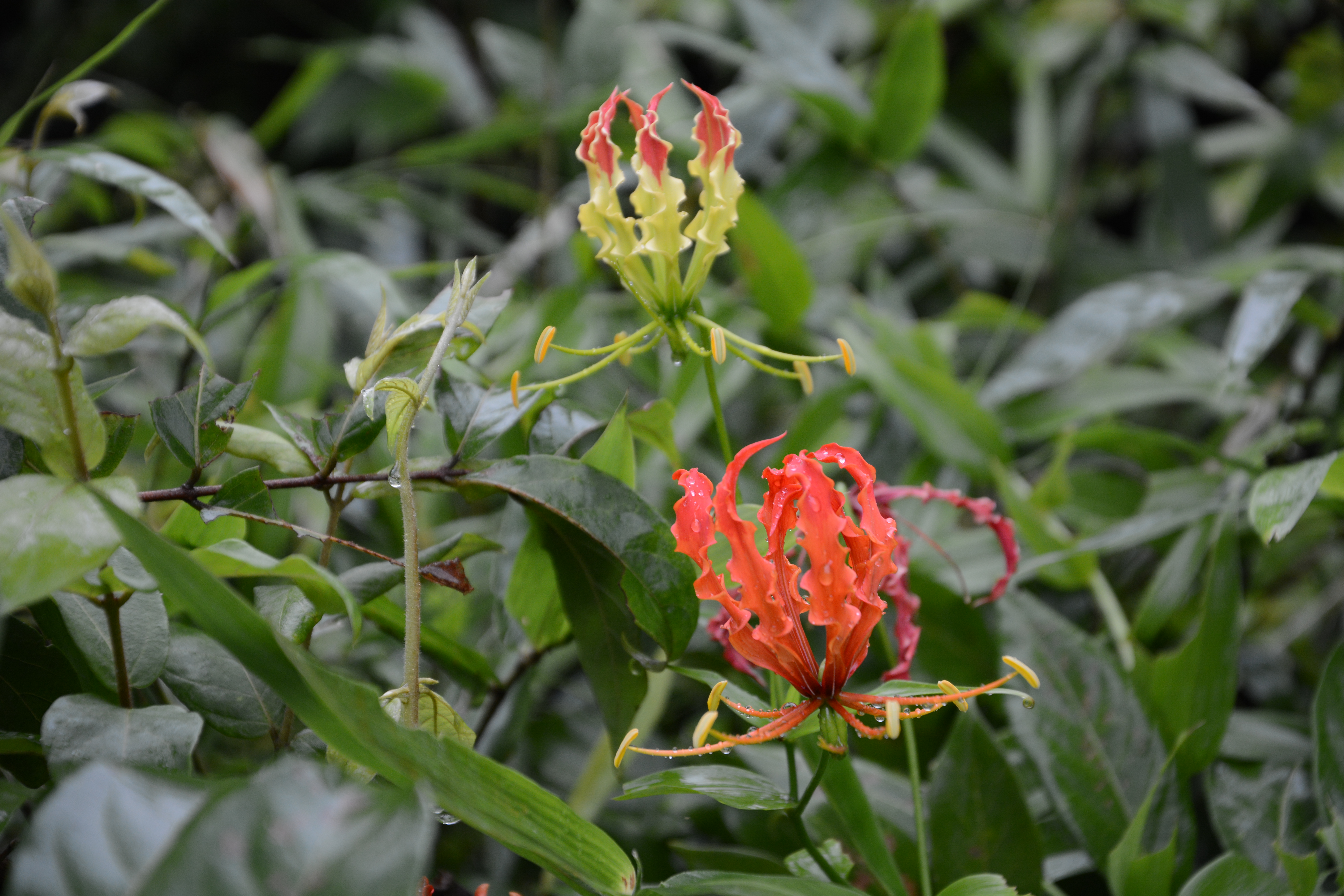
Glory Lily
| SGNP Flora
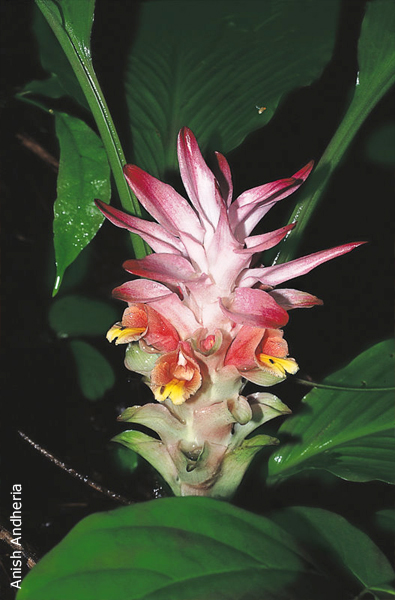
Curcuma Pseudomontana
| SGNP Flora
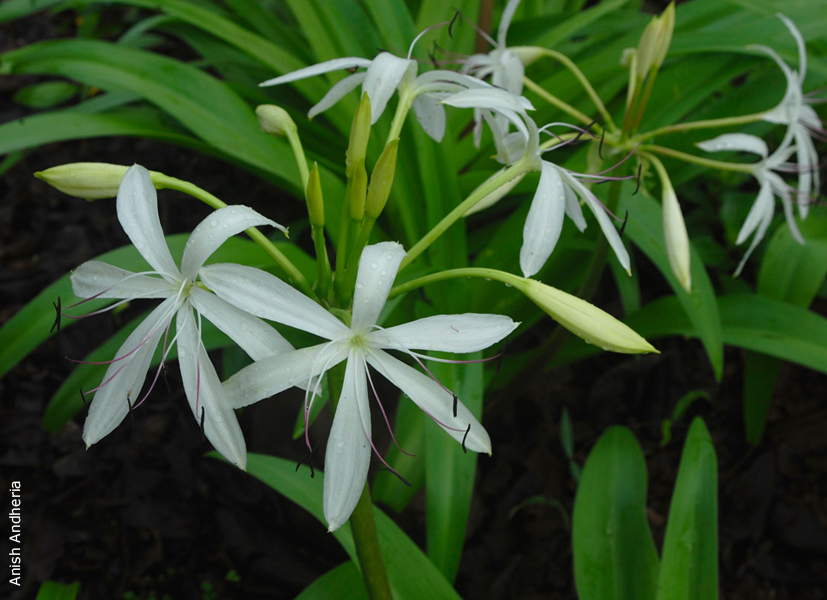
Ground Lilly
| SGNP Flora
Overview
Sanjay Gandhi National Park (SGNP) is home to a rich variety of plant life, with over 1,300 species of flowering plants. The forest is mainly southern mixed-deciduous, featuring trees like teak, bamboo, Terminalia, Ficus, and Madhuca. In the higher slopes and stream beds, you’ll also find semi-evergreen and evergreen vegetation, including rare patches of Asoca trees. The Karvi shrub, which blooms once every seven years, forms much of the undergrowth. SGNP’s flora supports a vibrant ecosystem and adds to the park’s serene, green charm.
Highlights
- Explore over 1,300 species of flowering plants
- Walk through teak and bamboo-dominated forests
- Spot rare Asoca trees in evergreen patches
- Experience the Karvi bloom (once every 7 years)
- Enjoy bird songs and tranquil natural surroundings
Share Your Feedback
Help us improve the SGNP experience 🌿