







Sanjay Gandhi National Park
Sanjay Gandhi National Park (SGNP), located in the heart of Mumbai, is one of the world's most visited urban national parks. It spans over 104 sq km and hosts a rich variety of flora and fauna, offering a perfect escape for nature lovers, trekkers, and wildlife enthusiasts.
Sanjay Gandhi National Park Reserve
Discover the lush greenery and wildlife of Sanjay Gandhi National Park — Mumbai’s urban forest treasure. SGNP is home to rich biodiversity, scenic trekking trails, historical temples, and serves as a vital ecological and recreational hub.
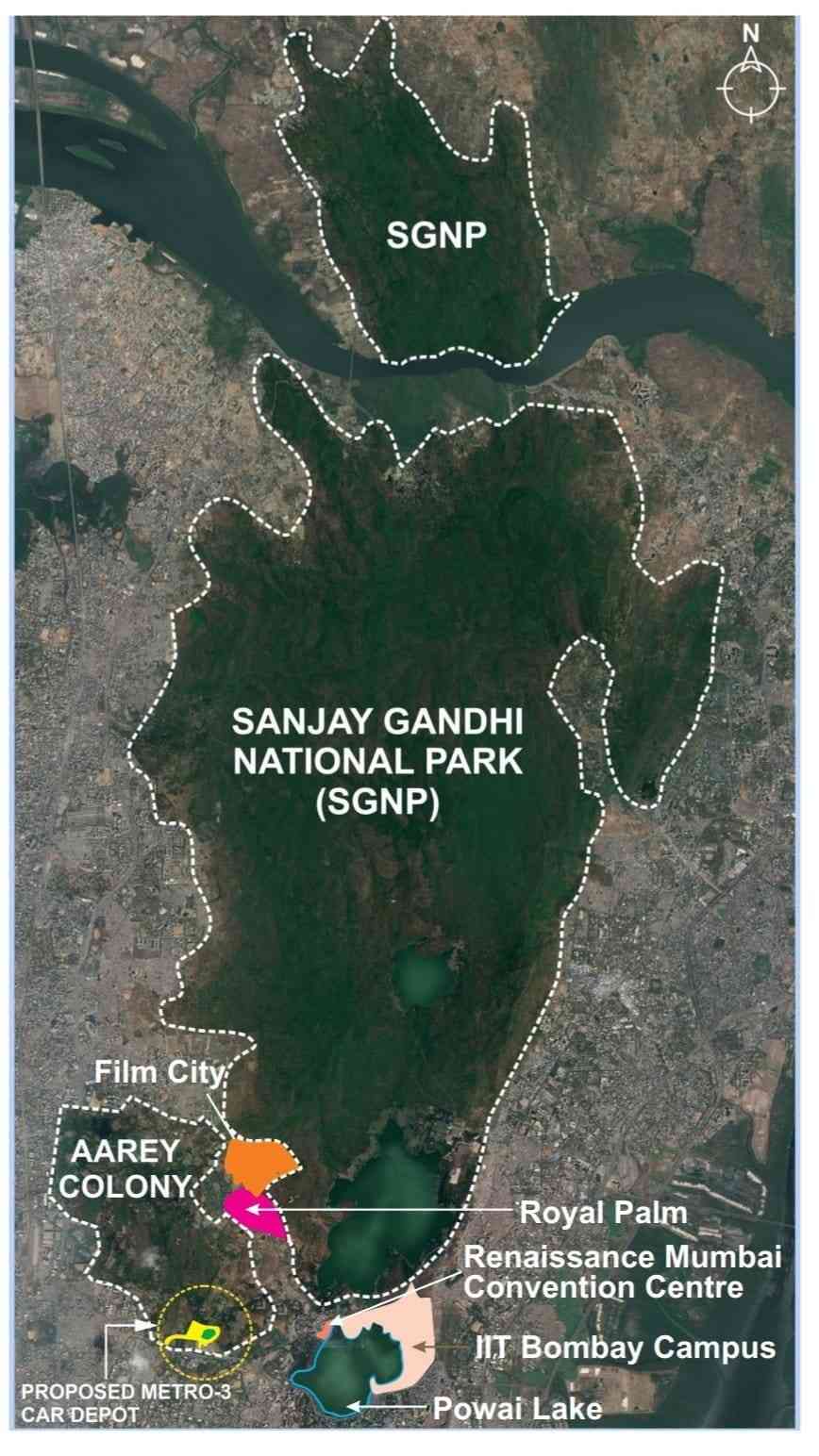
Sanjay Gandhi National Park (SGNP) is a unique and ecologically significant protected area located in the northern part of Mumbai, Maharashtra. Formerly known as Borivali National Park, it was renamed in 1981 and spans an area of approximately 104.08 square kilometers, making it one of the largest national parks situated within a metropolitan city in the world.
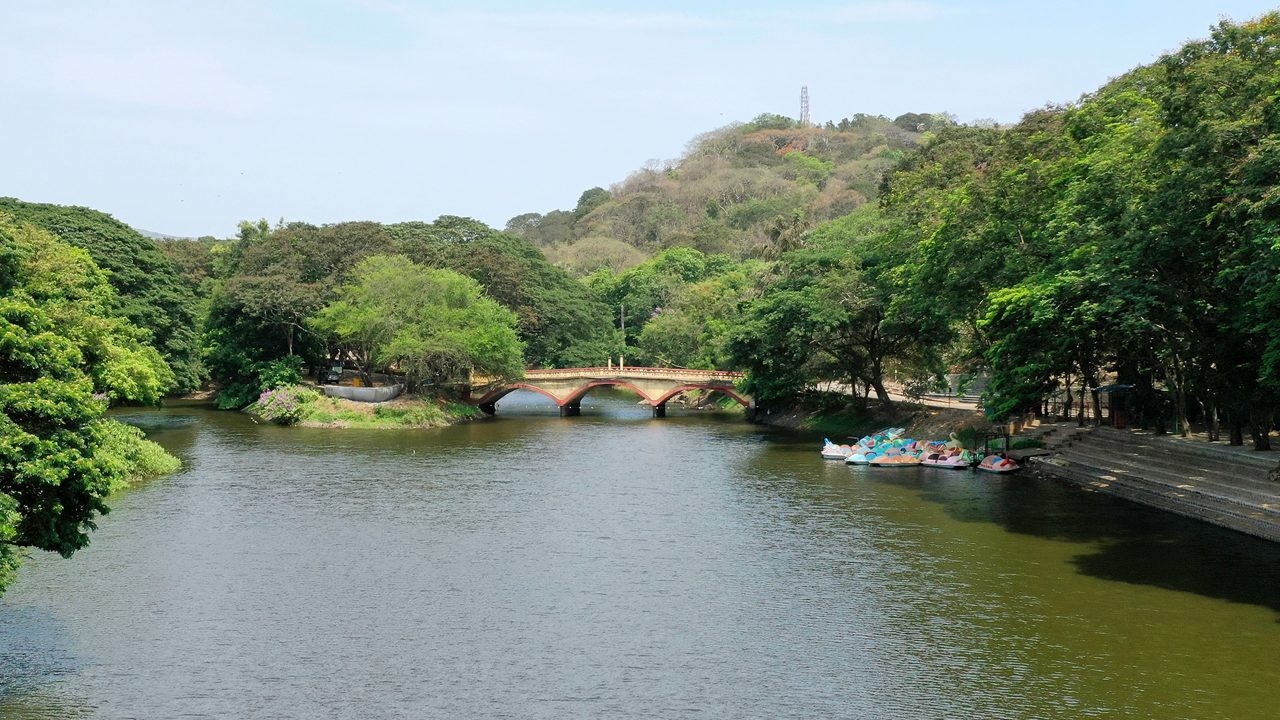
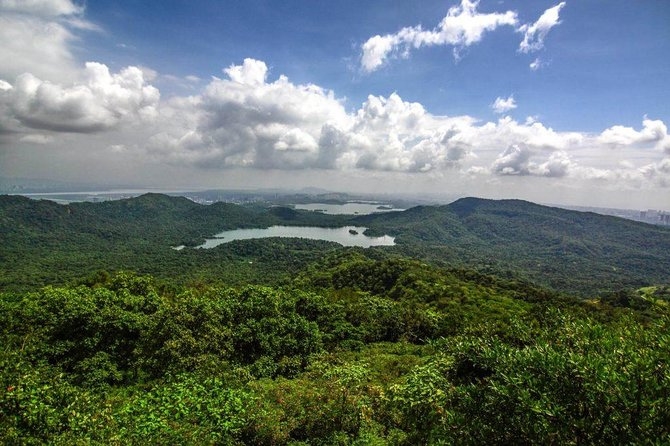
The park extends across the Mumbai Suburban District and parts of Thane district, forming a vital green buffer between densely populated urban regions. Its terrain is predominantly hilly and undulating, with elevations ranging from about 30 meters to nearly 480 meters above sea level. SGNP also houses two major lakes—Vihar and Tulsi—which are important sources of drinking water for Mumbai and play a crucial role in maintaining the city’s hydrological balance.
Sanjay Gandhi National Park is exceptionally rich in flora, representing a mix of moist deciduous, dry deciduous, and semi-evergreen forest types. Over 1,300 species of plants have been recorded here, including teak, jamun, bamboo, karanj, red silk cotton tree, and the distinctive ghost tree. A notable botanical highlight is the karvi (Strobilanthes callosa), which blooms once every seven to eight years, transforming large areas of the park into a spectacular purple landscape.
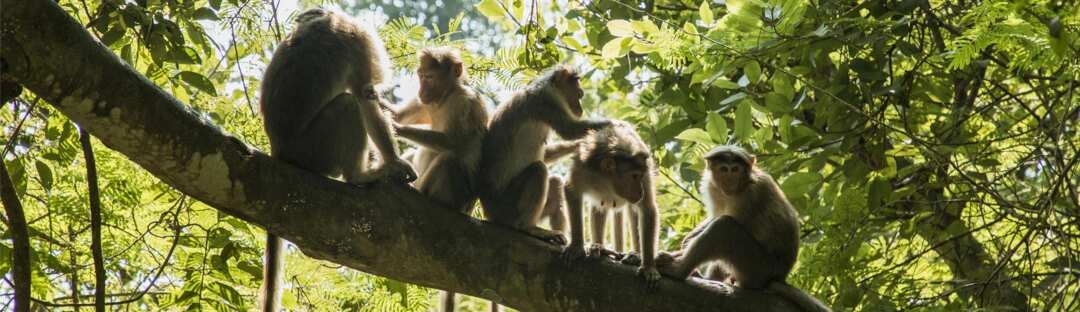
Despite being surrounded by intense urban development, SGNP supports remarkable faunal diversity. The park is home to around 40 species of mammals, including the Indian leopard—one of the most prominent species—along with sambar deer, spotted deer (chital), barking deer, wild boar, porcupine, palm civet, and various primates such as rhesus macaques, bonnet macaques, and Malabar sacred langurs.
SGNP is also an important haven for birdlife, with over 250 recorded bird species, including peafowl, kingfishers, flycatchers, orioles, drongos, and several migratory birds. In addition, the park supports a wide variety of reptiles, amphibians, and insects, including monitor lizards, snakes, frogs, and more than 150 species of butterflies, reflecting its rich and balanced ecosystem.
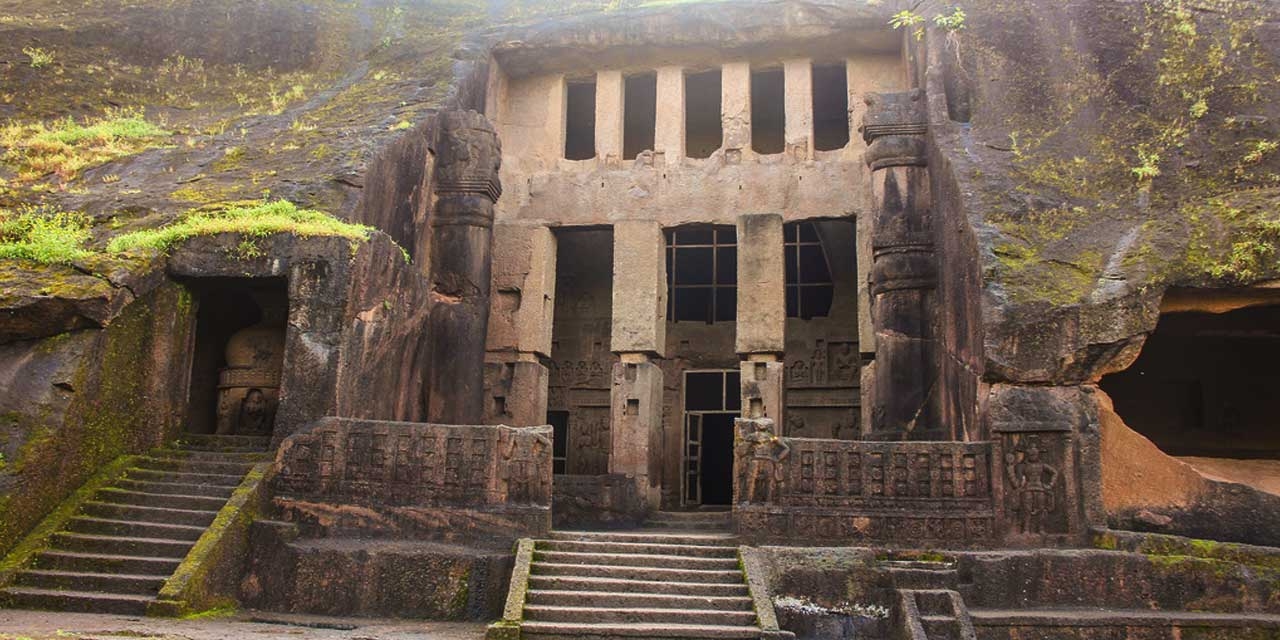
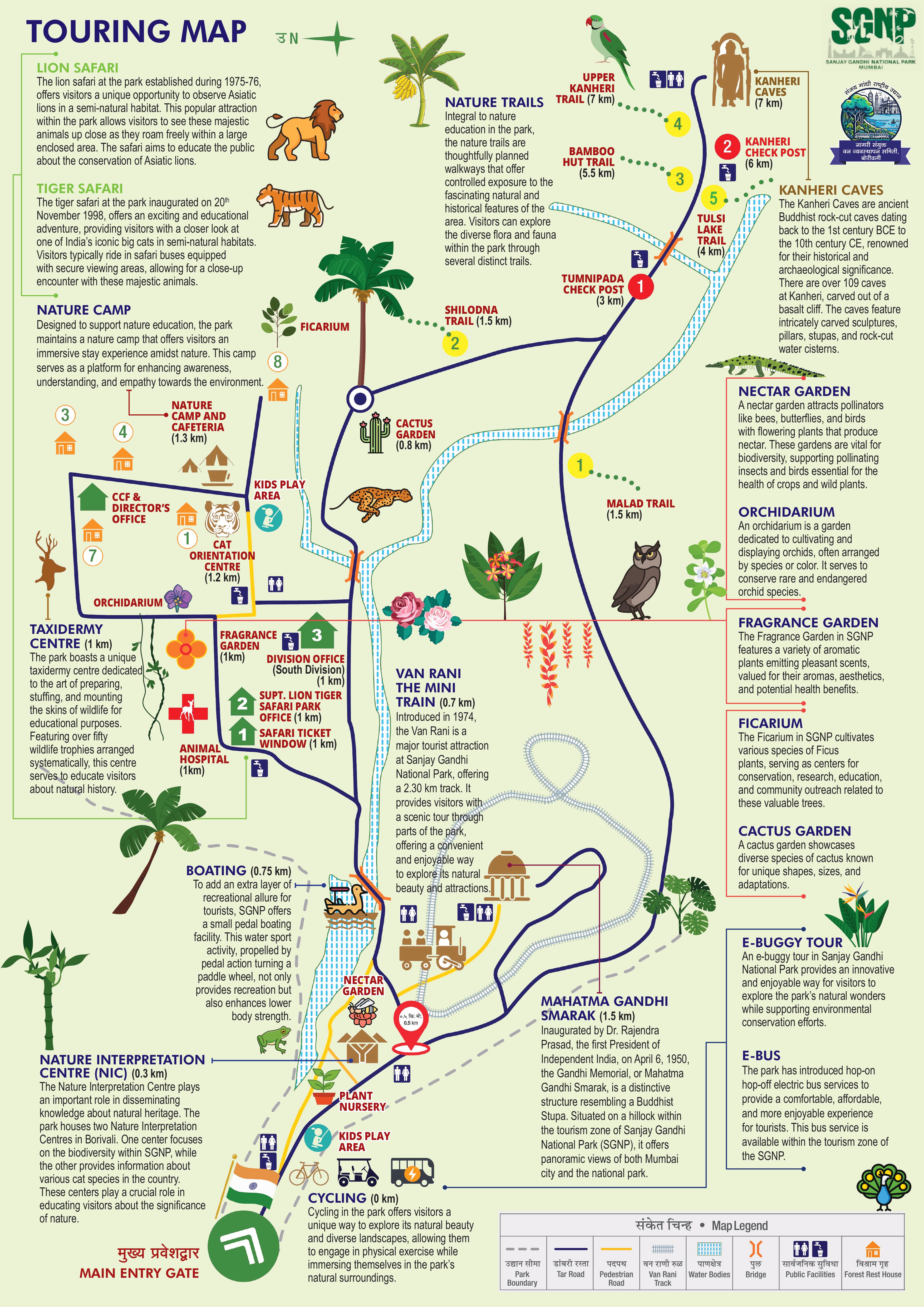
Beyond its natural wealth, Sanjay Gandhi National Park holds immense historical and cultural significance due to the presence of the Kanheri Caves. Dating from the 1st century BCE to the 9th century CE, these ancient rock-cut Buddhist caves served as centers for meditation, learning, and trade, featuring prayer halls, stupas, inscriptions, and advanced water management systems.
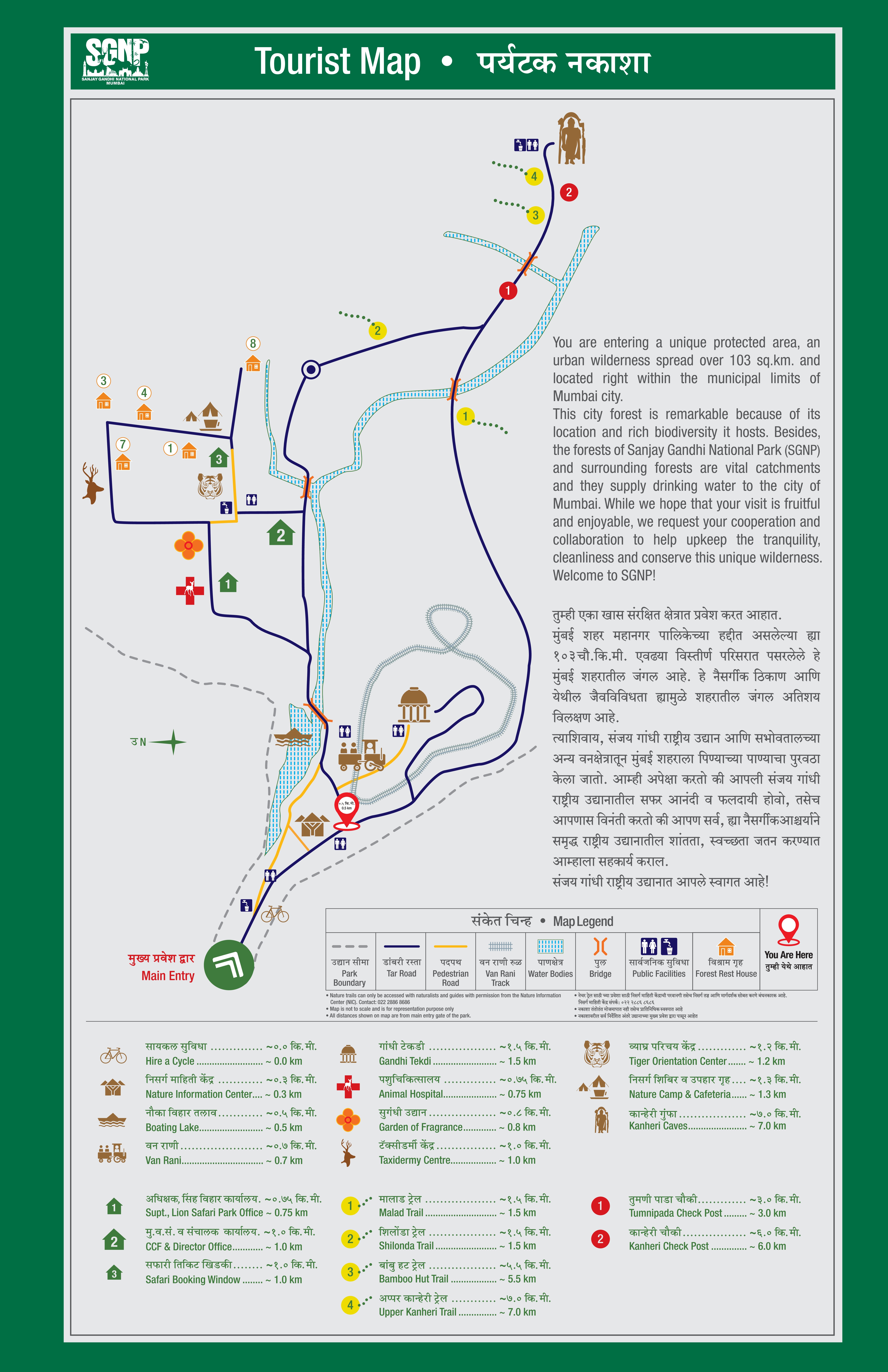
The park offers a variety of visitor facilities, balancing conservation with recreation. These include nature trails, guided forest walks, birdwatching opportunities, cycling routes, boating facilities, and the popular Van Rani mini train. SGNP also features lion and tiger safari enclosures, educational programs, interpretation centers, and eco-tourism initiatives aimed at promoting wildlife conservation and environmental awareness.
Overall, Sanjay Gandhi National Park functions as the “Green Lung” of Mumbai, playing a vital role in biodiversity conservation, climate regulation, and environmental sustainability, while offering valuable opportunities for education, research, and nature-based recreation.
Why Visit Sanjay Gandhi National Park?
Explore Mumbai’s urban forest — SGNP — a unique blend of wildlife, trekking trails, historic temples, and scenic landscapes offering adventure, nature, and learning for all.
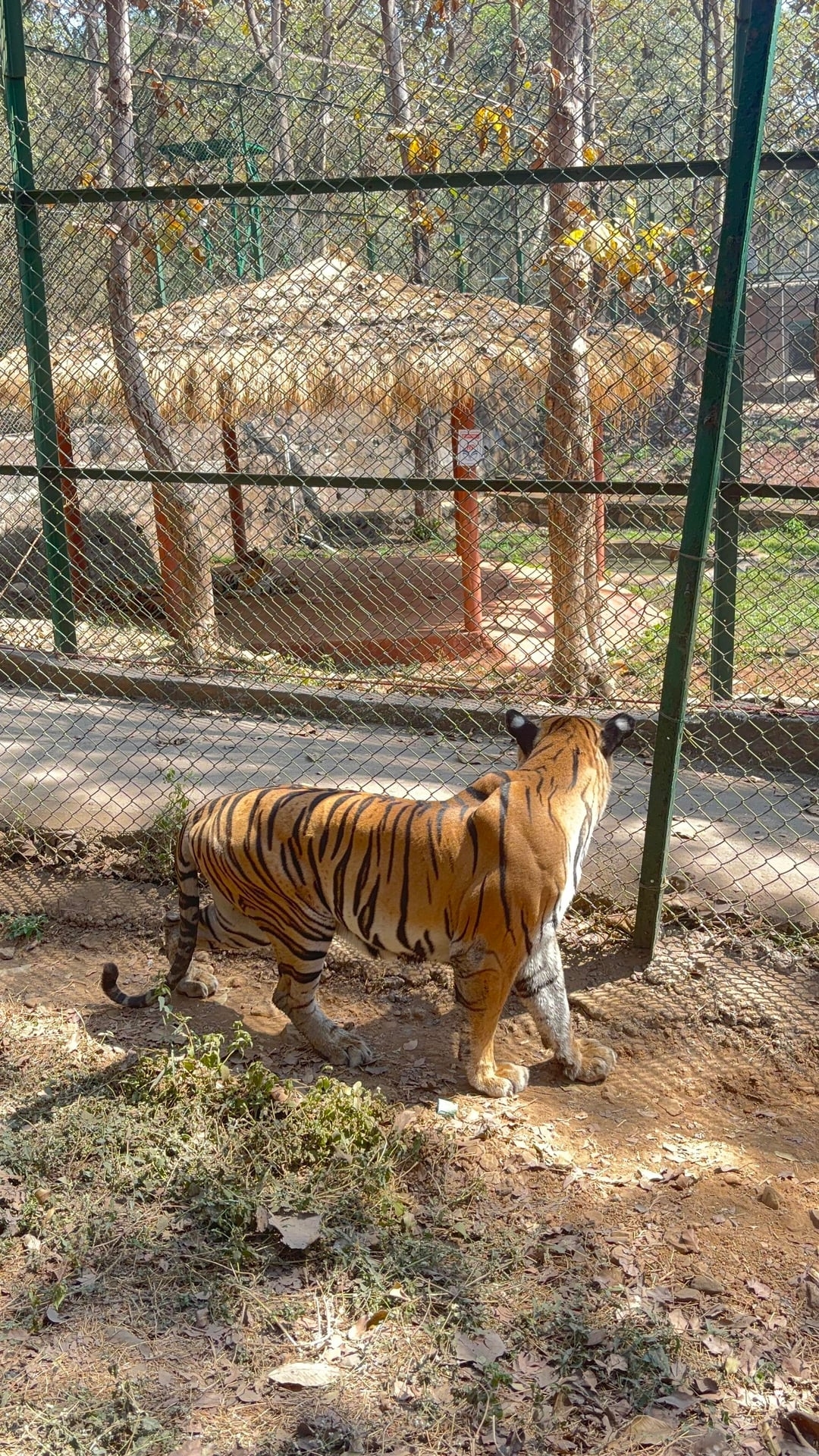
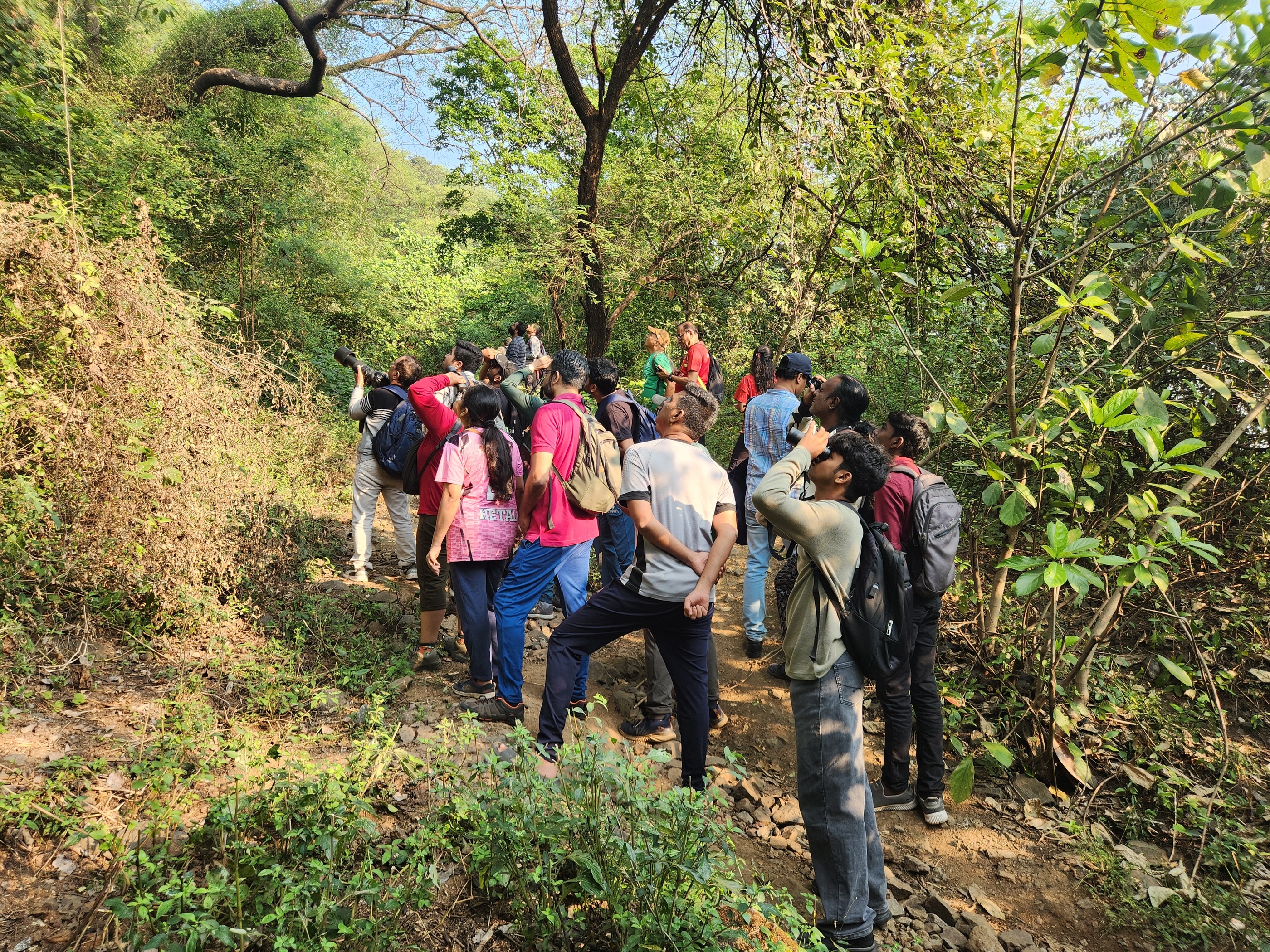
Explore Sanjay Gandhi National Park
Explore Mumbai’s urban forest — SGNP — offering rich biodiversity, scenic trails, historical temples, and a serene escape into nature.
Rich Wildlife
Home to leopards, monkeys, snakes, and over 250 species of birds. A haven for wildlife enthusiasts and photographers.
Scenic Trekking Trails
Well-marked trails through dense forests and hills offer breathtaking views, ideal for both beginners and experienced trekkers.
Historic Temples
Visit the Kanheri Caves and ancient temples within the park, offering a spiritual and cultural experience amidst nature.
Lush Green Canopy
Dense tropical forests with rich flora create a serene environment perfect for nature walks, picnics, and relaxation.
Lakes & Water Bodies
Serene lakes and streams attract migratory birds and provide tranquil spots for visitors to enjoy the natural beauty.
Convenient Accessibility
Located just 40 km from Mumbai, SGNP is easy to reach, making it perfect for day trips, weekend getaways, and eco-tourism visits.
Share Your Feedback
Help us improve the SGNP experience 🌿